


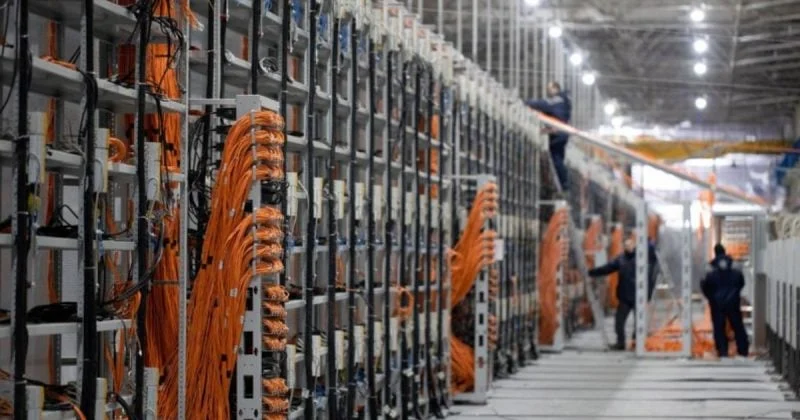
The Georgian government has officially initiated a comprehensive strategy to dismantle illegal cryptocurrency mining operations in the mountainous Svaneti region, specifically targeting the Mestia municipality. Vice Prime Minister Mamuka Mdinaradze announced the sweeping initiative on June 1, marking a significant shift in the state’s approach toward energy theft and unauthorized industrial activity. The center of the enforcement plan involves the mandatory installation of electricity meters across every village in the area, a move backed by the full weight of national law enforcement to ensure immediate and total compliance. This intervention follows years of escalating energy crises in the region, where the lure of "free" electricity and a cold climate created an unsustainable sanctuary for crypto-miners.
The scale of the problem in Mestia is illustrated by figures that have alarmed national energy regulators and government officials alike. In 2025, the electricity consumption in the Mestia municipality reached a staggering 133 million kWh. To put this into perspective, this single mountain town, which houses a modest permanent population, consumed more electricity than 13 other comparable Georgian municipalities combined. This disproportionate usage has not only threatened the stability of the local grid but has also placed a massive financial burden on the state. The Georgian government estimates that these unauthorized mining rigs have been siphoning between GEL 20 million and GEL 25 million annually from the national energy system—capital that would otherwise be directed toward infrastructure development, social programs, or energy grid modernization.
For the residents of Svaneti who are not involved in cryptocurrency mining, the presence of these "ghost" operations has had tangible, negative consequences. Beyond the frequent and unpredictable power outages that have disrupted daily life and the local tourism industry, there has been a direct financial penalty. Regular consumers in the area have been forced to pay approximately GEL 1.5 extra per subscriber to cover the overhead costs and system losses generated by the hidden electricity use of mining rigs. The regional power grid, originally designed for residential use and modest commercial activity, has been buckling under the industrial-scale strain, leading to hardware failures and increased maintenance costs for the national utility providers.
The Historical and Geographic Context of the Svaneti Mining Boom
The Svaneti region, located in Georgia’s rugged northwest, has long been a focal point for the global cryptocurrency mining community. The reasons for this are multifaceted, rooted in geography, climate, and historical policy. Nestled among the highest peaks of the Caucasus Mountains, Svaneti offers naturally cold air, which is essential for cooling the high-performance ASIC (Application-Specific Integrated Circuit) miners that generate immense heat while processing blockchain transactions. By utilizing the natural environment for cooling, miners can significantly reduce their operational expenses, making the region far more profitable than warmer lowland areas.
Furthermore, Georgia’s energy landscape is dominated by hydroelectric power, particularly the massive Enguri Dam, which provides a relatively low-cost source of renewable energy. However, the most significant draw for miners was the unique "mountain status" of the Svaneti region. Historically, the Georgian government provided free or heavily subsidized electricity to residents in high-mountain regions. This policy was originally designed to prevent the depopulation of these remote areas and to support the difficult lives of mountain dwellers. However, as Bitcoin and other cryptocurrencies surged in value, this social safety net was exploited. Small-scale residential basements and large-scale hidden warehouses were filled with mining equipment, operating 24/7 on a grid that the state was essentially paying for.
A Chronology of Enforcement and Evasion
The crackdown announced by Vice Prime Minister Mdinaradze is not the first attempt by the Georgian state to address the Svaneti crisis, but it is the most comprehensive. The history of illegal mining in the area has been a cat-and-mouse game between authorities and miners that dates back to the early 2020s.
In 2021 and 2022, the government launched several enforcement measures characterized by house-to-house inspections and the seizure of unauthorized equipment. During these raids, hundreds of mining rigs were confiscated, and dozens of illegal connections were severed. However, these efforts provided only temporary relief. As soon as the police presence diminished, many miners simply purchased new equipment or reconnected their rigs to the grid. The lack of individual metering in many villages meant that authorities could identify that a specific village was over-consuming power, but they could not easily pinpoint which specific household was responsible without a physical search warrant for every property.
The persistence of these operations led to a worsening of the energy deficit. By late 2023 and throughout 2024, the situation became untenable. The "wild west" era of Georgian crypto-mining, which at one point saw Georgia ranked as the second or third largest mining hub in the world per capita, began to clash violently with the country’s aspirations for energy independence and European integration. The 2025 consumption figures were the final catalyst for the current, more aggressive government stance.
Technical Implementation: The Three-Pillar Plan
The government’s new initiative is structured around three primary pillars: universal metering, law enforcement integration, and a restructured tariff system.
First, the mass installation of electricity meters is the cornerstone of the operation. By ensuring that every point of consumption is measured, the government eliminates the anonymity that miners relied upon. This creates a baseline of measurable data, allowing the national utility company to see exactly where surges occur in real-time. If a single household shows a consumption pattern consistent with industrial mining—characterized by a flat, high-intensity load that never dips—it will be flagged immediately for investigation.
Second, the involvement of law enforcement marks a shift from a "utility dispute" to a "criminal enforcement" matter. The Ministry of Internal Affairs will be working alongside energy technicians to ensure that meters are not tampered with and that inspectors are granted access to properties. This coordinated approach is designed to prevent the local resistance and intimidation that sometimes hampered previous utility-only efforts.
Third, the government is introducing a tiered tariff system specifically designed to protect the vulnerable while penalizing exploiters. Under the new rules, Georgia will maintain free or subsidized electricity within "established limits" that cover the normal needs of a household. For example, a family using power for lighting, cooking, and heating will continue to benefit from the mountain subsidies. However, once a subscriber exceeds a certain threshold of kilowatt-hours—a threshold that no normal household could reach without industrial equipment—a high-usage tariff kicks in. For those running warehouses of miners, the electricity bill will shift from zero to a price point that renders the mining operation unprofitable.
Economic and Political Implications
The implications of this crackdown extend far beyond the borders of Svaneti. Economically, the recovery of GEL 20-25 million in annual energy costs is a significant win for the Georgian treasury. More importantly, it stabilizes the national energy balance. Georgia has been working toward reducing its reliance on imported energy from neighboring countries, and the "leak" in Svaneti was a major obstacle to achieving self-sufficiency.
From a political perspective, the move reflects the Georgian Dream party’s commitment to "statehood and order." Vice Prime Minister Mdinaradze’s announcement was framed as a defense of the common citizen against those who would "rob the state" for personal gain. This resonates with a public that has grown weary of the frequent blackouts and the perceived unfairness of paying higher bills to subsidize the lucrative business ventures of a few anonymous miners.
Furthermore, as Georgia seeks to align its regulatory frameworks with European Union standards, the "gray economy" of cryptocurrency must be brought into the light. The EU places a high premium on energy efficiency and transparent utility management. By cleaning up the Svaneti region, Georgia is demonstrating its ability to enforce its own laws and manage its resources responsibly.
Analysis of the Future Landscape
While the crackdown is a necessary step for grid stability, it also marks the end of an era for small-scale, unregulated mining in Georgia. The country will likely remain a player in the global crypto space, but the industry will be forced to migrate toward legal, industrial data centers that pay market rates for electricity and operate with full transparency.
The success of this initiative will depend on the government’s ability to maintain the "teeth" of the operation over the long term. If the meters are installed but the high-usage tariffs are not enforced, or if corruption allows certain large-scale miners to bypass the new system, the cycle of energy instability will return. However, with the current level of law enforcement involvement and the clear economic data supporting the move, the Georgian government appears more determined than ever to close the chapter on illegal mining in the mountains of Svaneti.
As the implementation moves forward, the eyes of the global crypto community and energy regulators will be on Mestia. The outcome will serve as a case study for how a nation can transition from a subsidized "mining haven" to a regulated energy market, balancing the needs of its citizens with the realities of the digital economy. For now, the message from Tbilisi is clear: the era of free energy for crypto-mining in the Caucasus is over.














