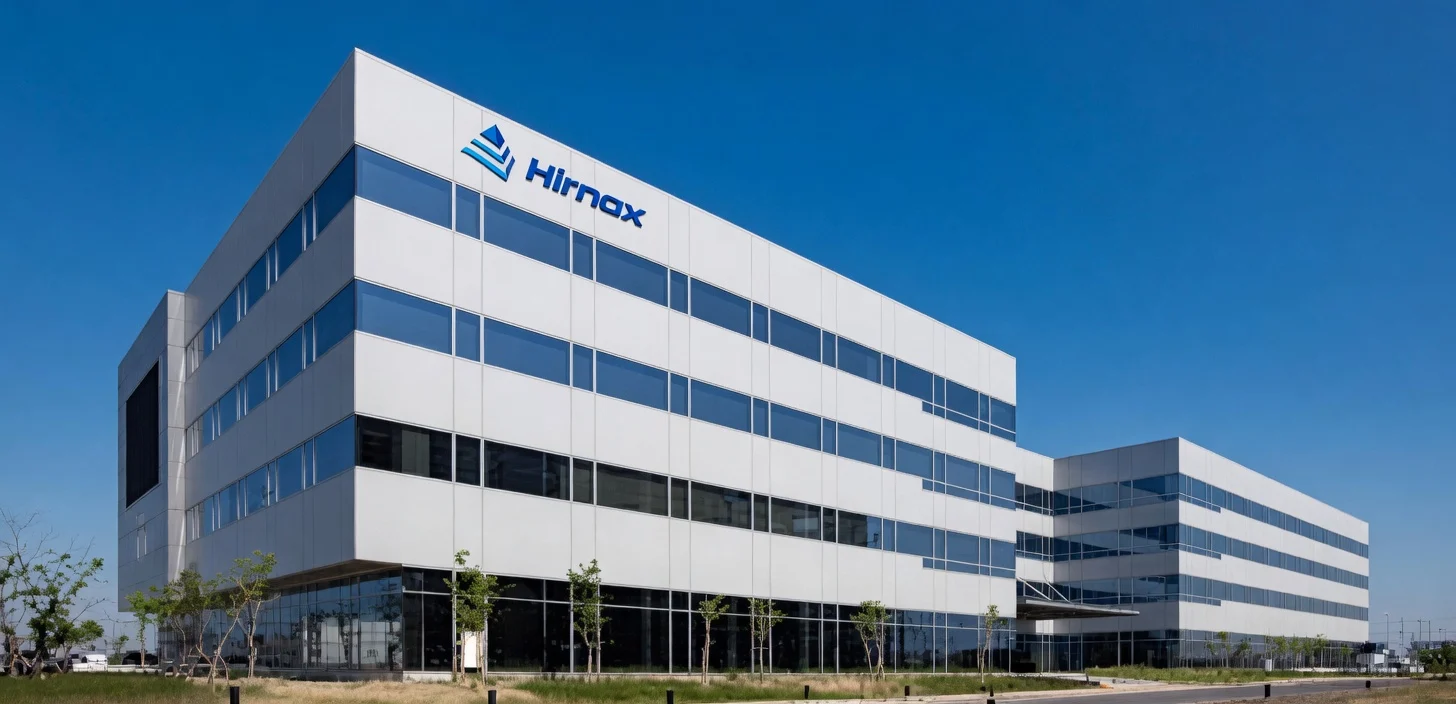
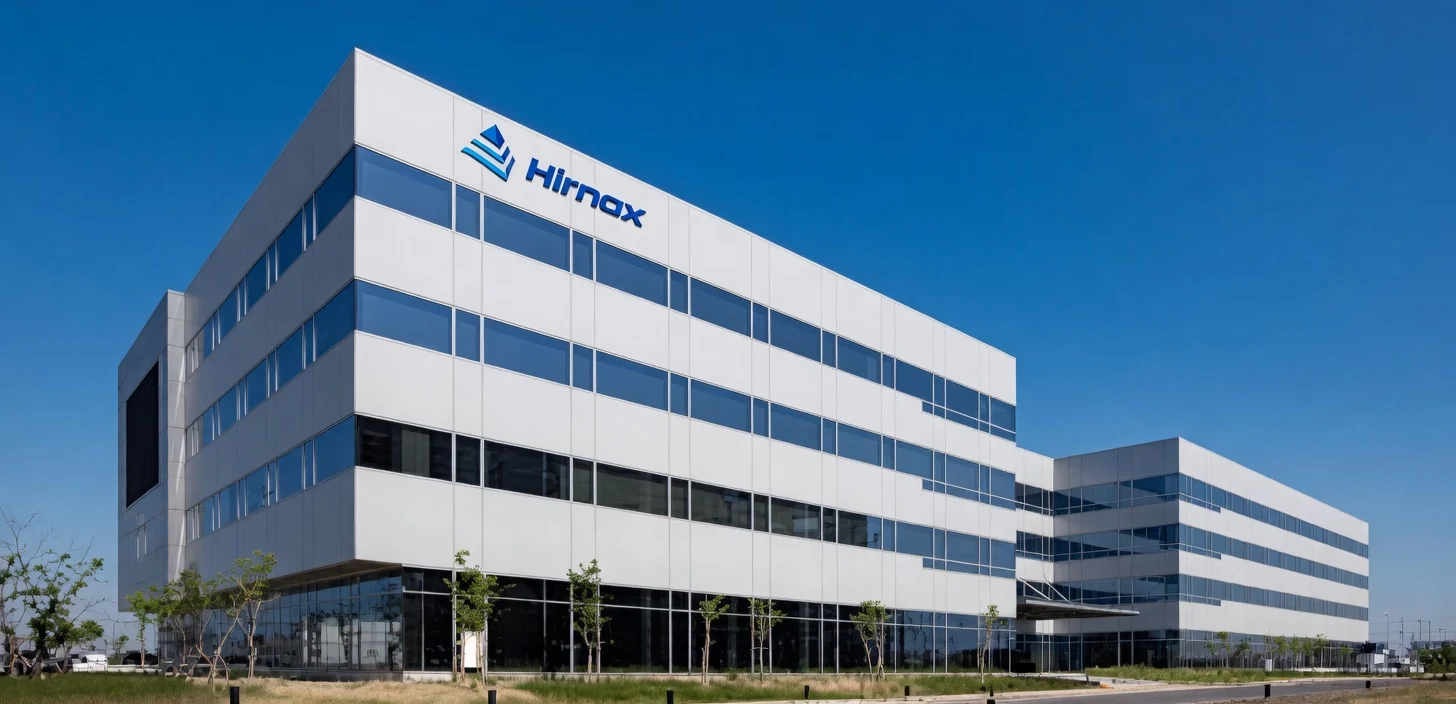
Himax Technologies ($HIMX), a prominent player in display driver integrated circuits and timing controllers, currently trades at $13.16 per share. This valuation reflects a significant decline exceeding 45% over the past month, a sharp reversal following an impressive rally that saw shares surge by nearly 66% during the preceding three-month period. This recent volatility underscores the high stakes and contrasting perspectives surrounding the company’s future, particularly as it positions itself at the forefront of emerging AI-powered smart glass technologies. The dramatic price swings highlight a market grappling with how to value a company whose fortunes appear increasingly tied to the nascent, yet potentially revolutionary, augmented reality (AR) and artificial intelligence (AI) hardware ecosystems.
A Deep Dive into Himax’s Technological Edge and Strategic Position
Himax Technologies, headquartered in Tainan, Taiwan, has historically been a key supplier of display driver ICs for a wide array of applications, including televisions, laptops, monitors, mobile phones, and automotive displays. However, its recent strategic pivot and significant investments in advanced micro-display technology and ultra-low-power AI chips have captured considerable investor attention. These specialized components, particularly liquid crystal on silicon (LCoS) micro-displays and wafer-level optics (WLO), are critical for the functionality of next-generation smart glasses and head-mounted devices. They enable high-resolution visual experiences within a compact form factor while prioritizing energy efficiency – a paramount concern for wearable technology where battery life is a significant constraint.
The company’s "WiseEye" platform exemplifies this strategic shift. WiseEye is a proprietary ultra-low-power AI processor designed for always-on sensing applications, enabling devices to understand their environment and user intentions with minimal power consumption. In the context of smart glasses, this translates into features like gaze tracking, gesture recognition, and environmental awareness without draining the device’s limited battery capacity. The ability to integrate such sophisticated AI processing directly onto the device, often referred to as "edge AI," is a distinct competitive advantage, reducing latency and enhancing privacy compared to cloud-based solutions. Himax’s expertise in these highly specialized areas makes it a critical, and often difficult-to-source, component provider for companies venturing into the smart glass market.
Himax’s investment thesis largely rests on its positioning as a cross-platform component provider. Unlike companies that develop and market their own smart glass devices (like Meta or Apple), Himax aims to supply the underlying critical technologies to multiple players across the industry. This strategy offers a degree of insulation from the intense competition and platform risks associated with direct consumer device sales. By supplying components, Himax stands to benefit regardless of which specific smart glass platform ultimately achieves market dominance, spreading its risk and potentially capturing a broader share of the nascent market’s value chain. This "picks and shovels" approach to a technological gold rush has historically proven resilient in other tech cycles.
The Allure of the Augmented Reality Market and Smart Glasses
The global augmented reality and virtual reality (AR/VR) market is projected for explosive growth, with various research firms forecasting it to reach hundreds of billions of dollars within the next decade. Smart glasses, in particular, are envisioned as the next major computing platform, potentially succeeding smartphones in delivering ambient, context-aware information and experiences. Analysts predict that as technology advances and form factors become more consumer-friendly, smart glasses could revolutionize industries from healthcare and manufacturing to retail and entertainment. This grand vision fuels the significant investment by tech giants, each vying for a leading position.
Meta Platforms, through its Ray-Ban Stories and Quest lineup, currently holds a dominant position in the commercial smart glasses and VR headset market. Their recent product launches, including new generations of Ray-Ban Meta Smart Glasses with improved cameras, audio, and AI capabilities, priced competitively from $299, signify their commitment to establishing an early lead. Other tech behemoths like Apple, Alphabet (Google), and Amazon are also deeply invested in developing their proprietary versions, with Apple’s Vision Pro representing a high-end, spatial computing approach, and Google continuing its long-standing efforts in AR. Amazon, too, has explored the space with devices like Echo Frames, hinting at its ambitions.
The technological hurdles to widespread smart glass adoption are substantial. They include reducing size and weight, improving battery life, overcoming display quality issues (field of view, brightness, resolution), and developing intuitive user interfaces. Himax’s focus on ultra-low-power AI chips and micro-display technology directly addresses several of these critical challenges. Its LCoS technology, for instance, offers advantages in terms of compactness and efficiency, crucial for achieving sleek and lightweight designs. The integration of AI directly onto the device for real-time processing further enhances performance and user experience, making Himax’s components foundational to the success of advanced smart glass applications.
Unpacking the Partnership Speculation: Apple, Nvidia, and the "Leading Brand"
During Himax’s Q1 2025 earnings discussion, CEO Jordan Wu provided a significant update that ignited investor optimism. He revealed that "a leading brand has adopted our WiseEye for its smart glasses," further stating that high-volume production for this partnership is anticipated to commence later this year (2025). Wu also added that additional major brands are expected to join this emerging ecosystem, underscoring the growing industry interest in Himax’s specialized components.
While Himax has maintained strict confidentiality regarding its partners, research analysis from firms like Hunterbrook Media and Citrini Research has delved into patent filings, supply chain patterns, and capital allocation trends within the industry. Their findings suggest that these undisclosed partners may include technology giants such as Apple and Nvidia. Neither Apple nor Nvidia has publicly acknowledged such arrangements, a common practice for companies engaged in highly competitive and secretive product development.
The potential involvement of Apple, in particular, carries immense weight. Apple’s entry into any new product category often serves as a powerful validation for the underlying technology and components. Its rigorous quality standards, vast supply chain capabilities, and enormous market reach could provide a monumental boost to Himax’s revenue and market credibility. Similarly, a partnership with Nvidia, a leader in AI and graphics processing, would underscore the critical role of Himax’s WiseEye AI chips in advanced smart glass applications, particularly those requiring significant on-device AI computation. While purely speculative at this stage, the mere possibility of these collaborations is a significant driver of the bullish sentiment surrounding HIMX shares and explains much of the recent rally preceding the current pullback. The market is attempting to price in the future implications of these potentially transformative relationships.
Financial Trajectory and Future Growth Vectors
Despite the excitement surrounding its AR/AI ventures, Himax’s recent financial performance has presented a mixed picture. The company has experienced multiple consecutive quarters of year-over-year revenue contraction, with net profit margins hovering around 4%. This historical trend does not align with the typical profile of a high-growth technology stock, reflecting broader slowdowns in the consumer electronics market and cyclical pressures within the display driver industry, which remains a significant portion of Himax’s traditional business. The post-pandemic surge in demand for displays has moderated, leading to inventory adjustments and pricing pressures across the semiconductor sector.
However, management has provided guidance signaling a potential turning point. For Q2 2025, the company anticipates sequential revenue expansion of 10% to 13%, which would concurrently mark a return to positive year-over-year comparisons. This projected rebound, if realized, would be a critical indicator of renewed demand and the potential impact of new product ramps, including those related to smart glasses. Furthermore, Himax anticipates improved gross margin performance, suggesting better product mix, operational efficiencies, or pricing power for its advanced technologies, which could flow through to enhanced bottom-line profitability.
Beyond smart glasses, Himax is strategically diversifying its growth vectors. The company recently introduced its HE Series indirect Time-of-Flight (iToF) depth decoder integrated circuits. This novel 3D sensing solution has already been incorporated by OFILM, a leading module manufacturer, into robotics applications. iToF technology is crucial for precise distance measurement and environmental mapping, opening doors for Himax in burgeoning markets like industrial automation, autonomous vehicles, and smart home devices. Another significant strategic initiative is the firm’s co-package optics (CPO) development. CPO technology is designed to enable ultra-fast data transmission for AI-driven data centers and advanced computing environments, addressing the escalating demand for high-bandwidth, low-latency interconnects as AI workloads become increasingly complex. These initiatives demonstrate Himax’s commitment to leveraging its core competencies in display and sensing technologies across multiple high-growth segments, reducing its sole reliance on the AR market.
The Great Valuation Divide: Wall Street vs. Intrinsic Value
Perhaps one of the most striking aspects of the Himax investment debate is the dramatic discrepancy in its valuation estimates. Wall Street analysts, on average, maintain a consensus fair value estimate of $23.70 per share. This target implies a substantial upside of approximately 45% from current trading levels, reflecting strong conviction in the company’s future prospects, particularly its role in the AR/AI revolution. These analyst models often factor in aggressive growth projections for the smart glass market, the potential for Himax to secure multiple high-profile design wins, and the long-term impact of its technological leadership in micro-displays and edge AI.
In stark contrast, a discounted cash flow (DCF) analysis conducted by Simply Wall St suggests an intrinsic value as low as $2.32 per share. This represents an enormous chasm, indicating a fundamental disagreement on the company’s underlying financial health, future cash flow generation, and the inherent risks involved. Such a low DCF valuation typically implies very conservative assumptions about future revenue growth, potentially high discount rates reflecting perceived risk, and a less optimistic view on the company’s ability to translate its technological prowess into sustained, robust profitability. DCF models are highly sensitive to these input assumptions, and a valuation this low might also be heavily weighing the historical revenue contractions and relatively thin profit margins, without fully factoring in the potential exponential growth from unconfirmed future contracts in emerging markets.
This dramatic valuation discrepancy keeps the investment debate very much in play. It highlights the inherent challenges in valuing companies that operate at the intersection of established and nascent technologies. Traditional valuation metrics may struggle to capture the full potential of disruptive innovation, while overly optimistic projections can lead to inflated expectations. For investors, this gap necessitates a deep dive into the underlying assumptions of each model and a clear understanding of their own risk tolerance and long-term outlook for the AR/AI market. The market is essentially trying to reconcile the present financial reality with a highly speculative, yet potentially lucrative, future.
Navigating a Complex Competitive Landscape
While Himax positions itself as a component provider, it operates within a complex competitive landscape. The market for micro-displays and AI chips for AR devices is not without rivals. Established semiconductor giants and specialized component manufacturers are all vying for a piece of this promising market. However, Himax’s competitive edge often lies in its specific intellectual property, deep expertise in low-power design, and a track record of supplying critical display technologies. Its cross-platform component provider model is designed to mitigate the direct competitive pressures faced by end-device manufacturers. By serving multiple players, Himax aims to be a foundational layer rather than a direct competitor.
The company’s market capitalization currently registers at $2.3 billion, placing it firmly in the mid-cap category. Its 52-week trading range, spanning from a low of $6.85 to a high of $25.09, vividly underscores the significant price volatility inherent in a stock with high growth potential and substantial speculative elements. This volatility is a double-edged sword: it offers opportunities for significant gains but also exposes investors to considerable risk. The stock’s movements are often highly reactive to news regarding AR/VR market developments, competitor announcements, and any whispers of potential design wins.
Operational Headwinds and Geopolitical Realities
Himax confronts genuine operational risks that could pressure profit margins and earnings projections. Geopolitical trade friction, particularly between the United States and China, poses a constant threat. The implementation of tariffs, export controls, and other trade barriers could disrupt supply chains, increase manufacturing costs, or limit market access for Himax’s products. As a Taiwan-based company deeply embedded in the global technology supply chain, it is particularly susceptible to such tensions. The semiconductor industry, by its nature, is global and interconnected, making it vulnerable to political shifts.
Furthermore, inconsistent customer ordering patterns are a persistent challenge in the semiconductor industry. Demand can be cyclical and subject to macroeconomic fluctuations, consumer spending habits, and inventory adjustments by downstream customers. These inconsistencies can lead to periods of oversupply or undersupply, impacting Himax’s revenue predictability and operational efficiency. Managing inventory levels and production capacity effectively in such an environment requires sophisticated forecasting and agile manufacturing processes.
The substantial gap between cash flow-based valuations (like DCF) and earnings-based models (often used by Wall Street analysts for target prices) creates significant analytical uncertainty. Both frameworks cannot simultaneously prove accurate over the long term, implying that one set of assumptions about Himax’s future is fundamentally flawed. This uncertainty translates directly into investment risk, as investors must choose which narrative and valuation methodology they believe is more reflective of reality. The path to mass production for AR/AI components, with its inherent technical complexities and market adoption uncertainties, adds another layer of risk to these projections.
Outlook and Investment Thesis in Focus
According to its latest quarterly disclosure, Himax anticipates that revenues from AI and AR glasses applications will expand substantially throughout the coming years. This projection is underpinned by the expectation of mass manufacturing from at least one significant brand partner launching in late 2026, building on the high-volume production anticipated to commence in late 2025. This timeline suggests a phased ramp-up, with initial volumes in 2025 followed by a more significant market impact in 2026 and beyond.
The investment thesis for Himax remains a compelling, yet complex, narrative. Bullish investors are betting on the company’s critical role in the burgeoning AR/AI market, its technological leadership in specialized components, and the potential for lucrative partnerships with industry giants. They view the current stock price as an attractive entry point, given the projected growth in the smart glasses market and Himax’s strategic positioning. They likely dismiss the low DCF valuation as overly conservative and failing to capture the exponential growth potential of disruptive technologies.
Conversely, bearish arguments highlight the company’s historical financial struggles, the intense competition in the tech sector, geopolitical risks, and the highly speculative nature of the AR/AI market. They might emphasize the valuation discrepancy as a red flag, pointing to the inherent risks in valuing a company so heavily reliant on future, unconfirmed design wins and a market that is still in its infancy. For these investors, the operational challenges and the possibility of slow AR adoption or a single platform dominating the market, leaving Himax with limited upside, outweigh the potential rewards.
Ultimately, Himax Technologies stands at a critical juncture. Its ability to transition from a traditional display driver supplier to a pivotal enabler of the AI-powered AR future will determine its long-term trajectory. The coming quarters, with the anticipated ramp-up in production for smart glasses and the performance of its diversified growth initiatives, will provide crucial insights into whether Himax can bridge the gap between its current financial performance and the ambitious valuations projected by its most ardent supporters. The company’s future hinges on its successful execution in a market poised for transformative change, yet fraught with uncertainty.