


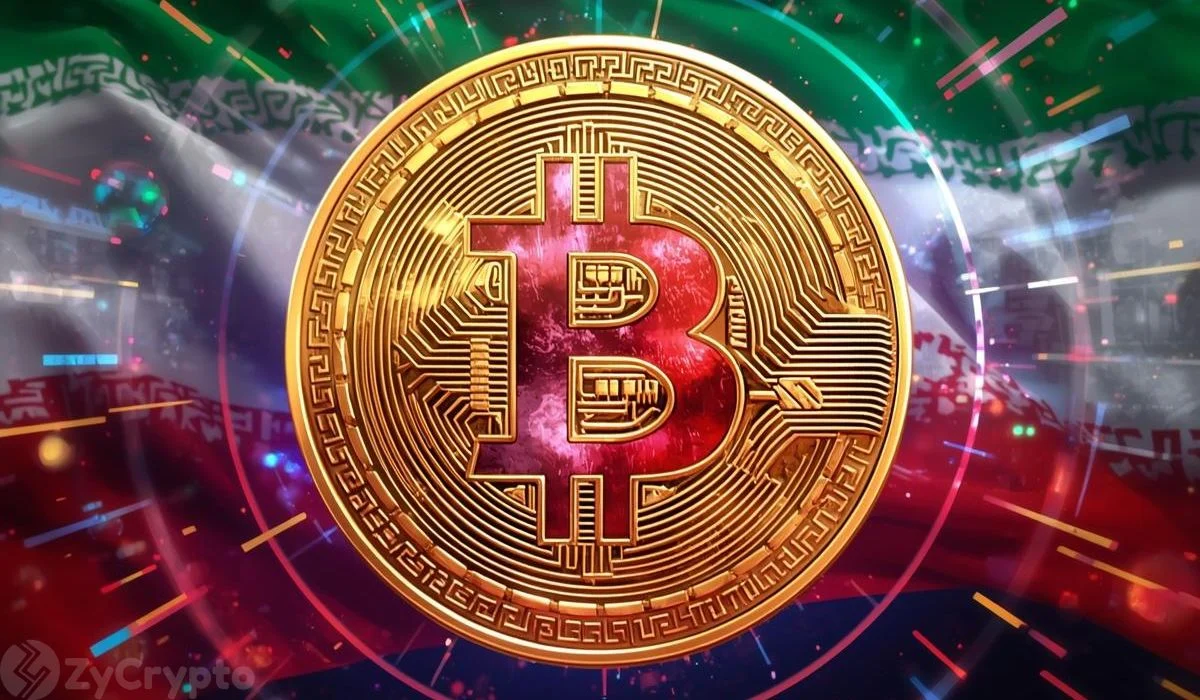
Iran’s bold move to introduce a Bitcoin-based maritime insurance project for vessels transiting the strategically vital Strait of Hormuz and the Persian Gulf signals a significant evolution in its approach to international trade and sanctions evasion. Dubbed "Hormuz Safe," the initiative, spearheaded by the Iranian Economy Ministry, is reportedly exploring the acceptance of Bitcoin for settlement payments, a strategy aimed at circumventing existing U.S. sanctions and streamlining transaction processes. This development has ignited discussions within the cryptocurrency community, with many hailing it as a major endorsement for Bitcoin in critical global oil trades.
A New Era for Maritime Finance in a Geopolitical Hotspot
The Strait of Hormuz, a narrow waterway at the mouth of the Persian Gulf, is one of the world’s most crucial chokepoints for oil transportation. Approximately one-fifth of global oil consumption passes through this strategic passage daily, making it a linchpin for global energy security. In recent years, the region has been a focal point of geopolitical tensions, particularly between Iran and the United States, leading to increased risks for maritime traffic.
The "Hormuz Safe" project aims to provide a layer of financial security and operational facilitation for ships navigating these waters. Local sources indicate that the Iranian government is developing a novel insurance template specifically designed for this purpose. A key innovation proposed is the potential settlement of insurance premiums and fees in Bitcoin. This move is strategically designed to bypass the traditional banking system, which is largely inaccessible to Iran due to extensive international sanctions. By leveraging Bitcoin, Iran seeks to create a parallel payment channel that is ostensibly more resistant to external interference, such as asset freezing or transaction tracing by hostile foreign entities.
The proposed model is not merely conceptual; reports suggest that policies would be issued cryptographically, with owners receiving a signed digital receipt as proof of coverage. This approach leverages the inherent security and transparency features of blockchain technology. If successfully implemented, the project could represent a substantial monetization of these vital shipping routes, with projections suggesting a potential revenue generation of up to $10 billion.
The Precedent and the Evolution of Payment Strategies
Iran’s exploration of Bitcoin for toll fees and insurance is not an isolated event but rather an evolution of its existing strategies to mitigate the impact of sanctions. Following periods of heightened tension and even suspended hostilities, such as the aftermath of perceived U.S.-Iran conflicts, the Islamic Revolutionary Guard Corps (IRGC) has historically imposed passage fees on tankers. These fees, reportedly around one dollar per barrel, were initially settled in other currencies and stablecoins. The current push to integrate Bitcoin represents a significant escalation and diversification of this approach.
This strategy echoes similar tactics employed by other nations and entities facing severe economic sanctions. Following Russia’s invasion of Ukraine and the subsequent wave of international sanctions, numerous Russian companies and state-affiliated entities turned to cryptocurrencies, including Bitcoin and stablecoins, for cross-border transactions. These moves were driven by the desire to maintain trade flows and access to global markets despite being cut off from conventional financial networks.
The adoption of Bitcoin by Iran, therefore, can be viewed through a dual lens. On one hand, it underscores a growing trend of state-level entities exploring and integrating digital assets into their financial infrastructure, indicating a broader acceptance and utility of cryptocurrencies beyond speculative investment. On the other hand, it amplifies concerns among Western governments and international financial watchdogs regarding the potential for cryptocurrencies to be used to circumvent sanctions and facilitate illicit financial activities.
Regulatory Scrutiny and the Shifting Landscape of Crypto Policy
The increasing use of cryptocurrencies for sanctions evasion has already drawn the attention of global policymakers. In the United States, for instance, Democrat lawmakers have voiced strong opposition to the use of crypto payments for such purposes, arguing that it undermines the effectiveness of sanctions regimes and can fuel illegal finance. This stance has emerged even as the White House has shown a more nuanced and sometimes positive inclination towards the cryptocurrency market.
The Trump administration, in particular, had previously articulated ambitions to position the United States as a leading hub for artificial intelligence and a global center for Bitcoin. This suggests a complex and sometimes contradictory landscape of policy considerations surrounding digital assets, balancing innovation and economic opportunity with concerns about financial stability and national security.
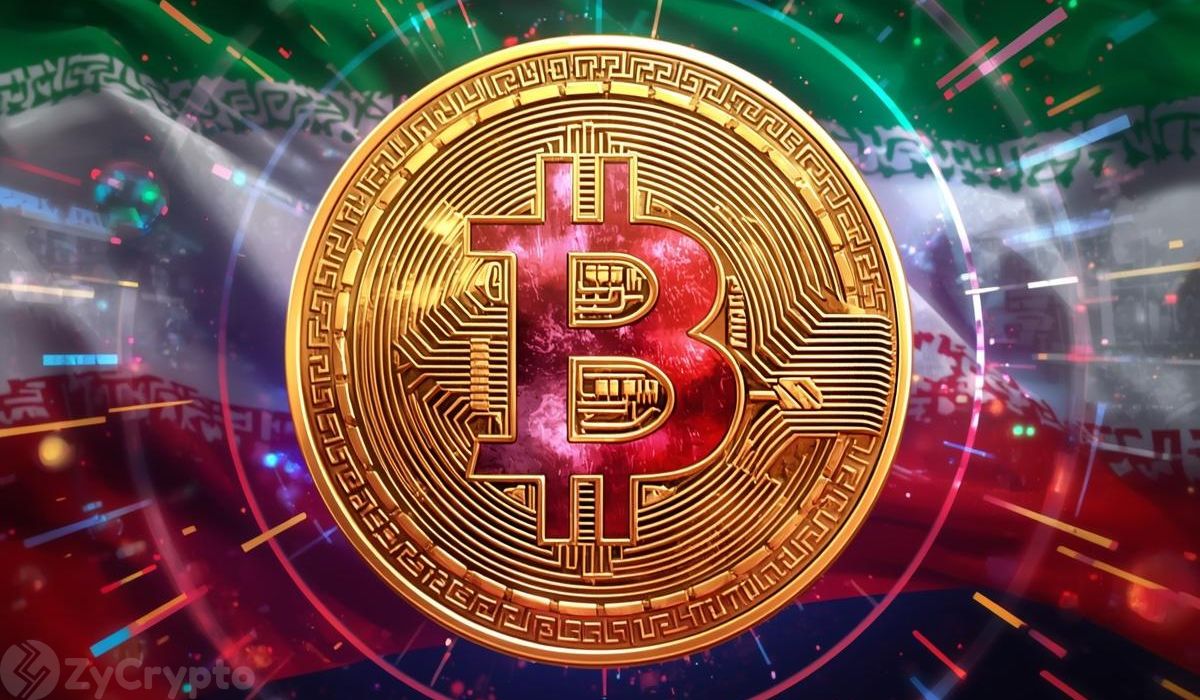
Despite the inherent price volatility of assets like Bitcoin, stakeholders in the crypto space often point to progress in areas such as regulatory clarity, growing government engagement, and increasing institutional adoption as significant wins. However, initiatives like Iran’s "Hormuz Safe" project undoubtedly add new layers of complexity to these discussions, prompting calls for enhanced scrutiny and the development of more robust global frameworks for digital asset regulation.
Economic Implications and the Future of Bitcoin in Trade
The potential absorption of new Bitcoin supply by a state-backed initiative like "Hormuz Safe" is a subject of significant interest within the cryptocurrency market. Bitcoin’s fixed supply, capped at 21 million coins, and its semi-anonymous nature make it an attractive alternative for entities seeking to bypass traditional financial controls. If Iran were to consistently demand Bitcoin for significant revenue streams, such as tolls from a vital global trade route, it could introduce a substantial and sustained demand for the cryptocurrency.
Analysts suggest that such demand could have a notable impact on Bitcoin’s price dynamics, potentially absorbing newly mined coins and contributing to upward price pressure, especially if the revenue generated is directly converted into Bitcoin holdings. The precise scale of this impact would depend on the volume of trade through the Strait of Hormuz and the extent to which Iran chooses to hold or immediately liquidate its Bitcoin earnings.
Furthermore, this development could encourage other nations facing similar economic pressures or seeking to diversify their financial reserves to explore similar strategies. This could lead to a broader integration of Bitcoin into international trade settlements, moving it further away from its origins as a niche digital currency towards a more mainstream financial instrument, albeit one operating in the shadows of global financial regulation.
Geopolitical Ramifications and Global Trade Dynamics
The implications of Iran’s move extend beyond the financial realm and into the geopolitical arena. By utilizing Bitcoin for critical trade infrastructure, Iran is asserting a degree of financial autonomy and challenging the established international order, which relies heavily on dollar-denominated transactions and SWIFT messaging for global trade. This could be interpreted as a strategic maneuver to reduce its vulnerability to U.S. economic leverage and to strengthen its regional influence.
The Strait of Hormuz has been a flashpoint for international conflict and diplomatic maneuvering for decades. Any disruption to shipping in this area has immediate and far-reaching consequences for global energy markets and the economies of numerous nations. By introducing a new layer of financial complexity through Bitcoin, Iran is further complicating the already intricate dynamics of the region.
The success of "Hormuz Safe" could set a precedent for other resource-rich nations or those subject to sanctions to explore similar digital asset-based solutions. This could lead to a fragmentation of the global financial system, with parallel economies emerging that operate outside the purview of traditional international oversight. Such a scenario would present significant challenges for international cooperation on issues ranging from financial crime to economic stability.
Technical Considerations and Market Reactions
From a technical standpoint, the implementation of a Bitcoin-based insurance system would require robust infrastructure for managing digital wallets, processing transactions, and ensuring the security of cryptographic keys. The anonymity offered by Bitcoin, while attractive for sanctions evasion, also presents challenges for regulatory compliance and transparency, which could be a point of contention for international bodies.
At the time of this report, the price of Bitcoin has experienced fluctuations, trading below $77,300 as market participants monitor macroeconomic conditions. While whale volumes (large holdings of Bitcoin) have shown gradual building compared to the first quarter, which was marked by significant liquidations, the market remains sensitive to geopolitical developments and regulatory shifts. The potential impact of Iran’s "Hormuz Safe" initiative on Bitcoin’s price and adoption trajectory is a developing story, closely watched by investors, policymakers, and industry observers alike. The long-term ramifications of this bold move by Iran are yet to unfold, but it undeniably marks a significant moment in the evolving intersection of cryptocurrency, international finance, and global geopolitics.














