


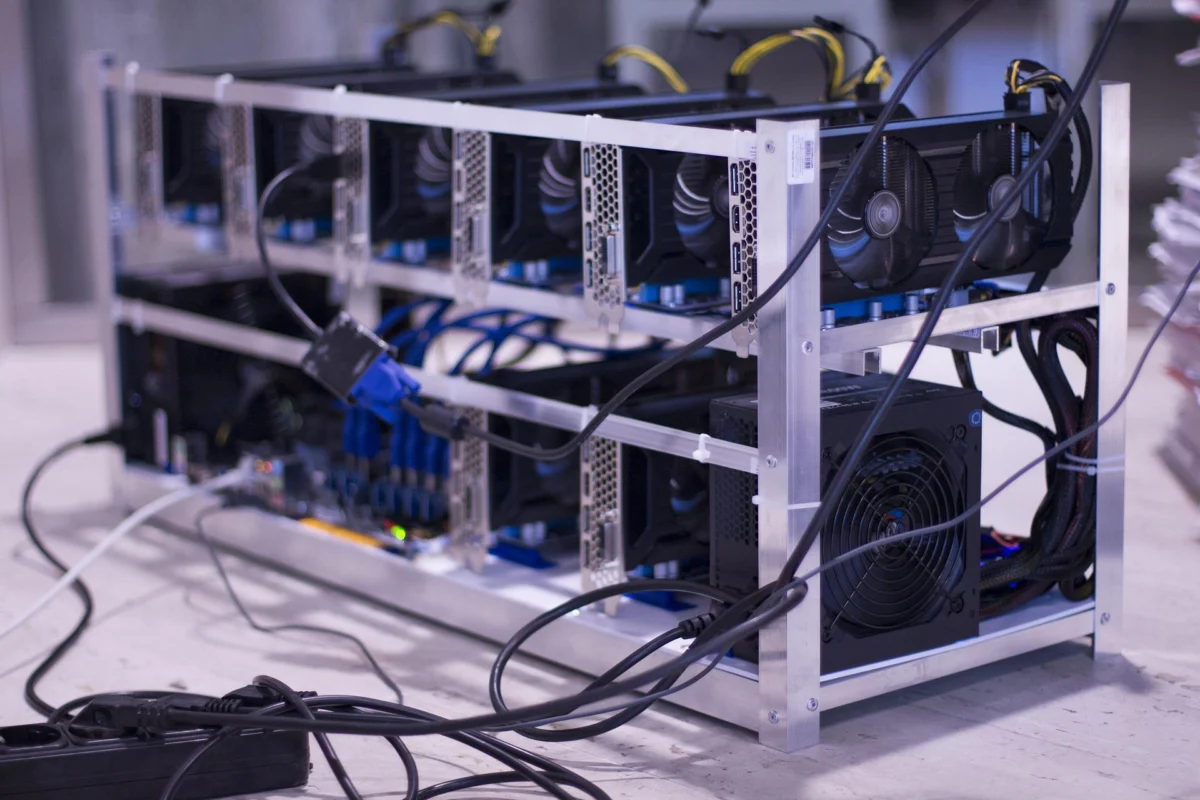
The Iranian government has intensified its nationwide campaign against unauthorized cryptocurrency mining, resulting in the detection and closure of 9,404 illegal mining farms within the capital city of Tehran over the past five months. This aggressive enforcement action comes as the Islamic Republic grapples with a deepening energy crisis characterized by frequent power outages, aging infrastructure, and a surge in domestic demand during peak seasons. According to Kambiz Nazerian, the head of the Tehran Electricity Distribution Company, these operations were identified across various districts of the capital, highlighting the pervasive nature of clandestine mining activities in the country’s most populous urban center.
The crackdown is part of a broader strategy to stabilize the national power grid, which has been pushed to its breaking point by a combination of record-breaking summer heatwaves, chronic underinvestment in power generation, and the proliferation of energy-intensive "mining farms." These facilities utilize specialized hardware to process blockchain transactions in exchange for digital assets like Bitcoin, a process that requires immense amounts of electrical power. In Iran, the allure of crypto mining is driven primarily by the state’s heavily subsidized electricity rates, which are among the lowest in the world due to the nation’s vast reserves of fossil fuels.
A Growing Infrastructure Crisis and the Role of Digital Assets
Iran’s relationship with cryptocurrency is complex, shaped by both economic necessity and infrastructural limitations. On one hand, the Iranian government has historically viewed digital currencies as a potential tool to circumvent stringent international sanctions and generate hard currency. On the other hand, the sheer volume of electricity required for large-scale mining has become a liability for the Ministry of Energy. The state-run energy provider, Tavanir, has repeatedly warned that the grid cannot sustain the current level of consumption, particularly when illegal miners tap into lines intended for residential, agricultural, or industrial use.
The recent seizures in Tehran represent only a fraction of the national effort. In June alone, Iranian police reported the confiscation of approximately 7,000 illegal mining machines. Earlier in the year, authorities executed a massive operation that led to the seizure of 45,000 application-specific integrated circuit (ASIC) machines. These devices are designed for the sole purpose of mining cryptocurrency and are notorious for their high energy consumption. According to official reports, the electricity consumed by just 1,620 recently shuttered operations totaled 250 megawatts over an 18-month period—an amount of energy sufficient to power hundreds of thousands of Iranian households.
The Exploitation of Subsidized Public Power
A particularly contentious aspect of the illegal mining boom in Iran is the location of these farms. Investigations have revealed that many unregistered miners have set up operations in public or semi-public institutions, such as mosques and schools. These locations often receive free or highly subsidized electricity from the government, making them ideal hubs for maximizing profit margins. By operating within these protected or overlooked spaces, miners can bypass the high costs that would otherwise make the enterprise less lucrative.
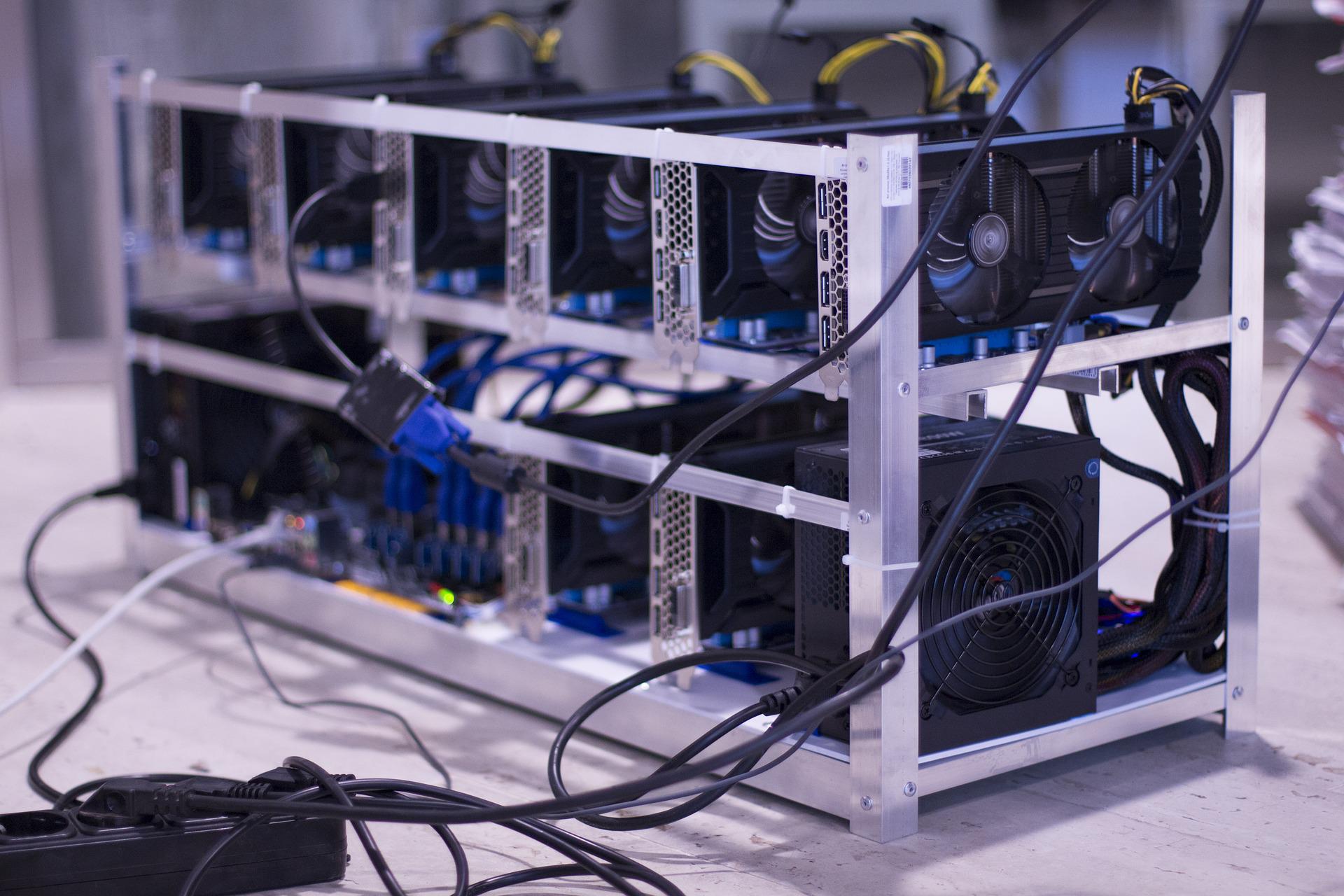
Furthermore, reports from Iranian media outlets suggest that the mining landscape is not merely composed of small-scale individual actors. Instead, significant portions of the country’s mining capacity are allegedly controlled by "influential networks" and foreign entities, specifically Chinese investment groups. These organizations take advantage of Iran’s cheap fossil-fuel-generated power to run massive operations. While some of these groups operate legally under government licenses, many are suspected of operating in the shadows or exceeding their allotted energy quotas, further straining the national grid.
Chronology of Regulatory Shifts and Enforcement
The Iranian government’s approach to crypto mining has fluctuated between periods of cautious legalization and total bans.
- Early 2021: Authorities began large-scale seizures as the "winter blackout" crisis intensified. Over 45,000 ASIC machines were confiscated in a single month to prevent total grid failure during the coldest weeks of the year.
- May 2021: As summer temperatures soared, the Iranian government issued a blanket four-month ban on all crypto mining activities, including those with official licenses. This was a direct response to widespread national protests sparked by rolling blackouts and water shortages.
- August 2021: Data from the Cambridge Bitcoin Electricity Consumption Index (CBECI) revealed that Iran accounted for approximately 7.5% of the global Bitcoin hashrate, placing it among the top mining hubs worldwide.
- June 2022: A major enforcement wave resulted in the seizure of 7,000 machines across multiple provinces.
- August 2022: The Tehran Electricity Distribution Company confirmed the closure of 9,404 farms in the capital over a five-month span, signaling a shift toward more granular, district-level enforcement.
To manage the load during the hottest months of the current year, authorities have taken the drastic step of cutting power to 118 licensed mining platforms. This move underscores the severity of the shortage, as even businesses that have followed all legal protocols and paid for their permits are being forced to halt operations to prioritize residential cooling and essential services.
Comparative Global Context: Kosovo and Russia
Iran is not alone in its struggle to balance the digital economy with energy security. Several other nations have faced similar dilemmas, leading to drastic policy shifts.
In Kosovo, the government implemented a total ban on cryptocurrency mining following a severe energy crisis. Much like Iran, Kosovo suffered from a lack of domestic production and an inability to afford expensive energy imports, leading to the decision to criminalize the power-hungry practice of mining.
In Russia, the landscape is shifting due to both energy concerns and geopolitical pressures. Recently, SBI Holdings, a major Japanese financial services group, announced plans to terminate its crypto mining operations in Russia. While Russia’s cold climate and energy resources initially made it a premier destination for miners, the ongoing conflict in Ukraine and the resulting international sanctions have made it increasingly difficult for foreign firms to maintain operations there. These global shifts indicate that the "golden age" of unregulated, cheap-energy mining is rapidly coming to an end as sovereign states prioritize national security and utility stability.

Economic and Social Implications
The crackdown in Iran has significant socio-economic consequences. For many young, tech-savvy Iranians, crypto mining was one of the few remaining avenues for economic mobility in an economy hobbled by inflation and unemployment. However, the resulting power outages have caused widespread public anger. In 2021 and 2022, blackouts led to the spoilage of food, the failure of medical equipment in hospitals, and the disruption of daily life, fueling civil unrest.
The Iranian government is now caught in a policy trap. If it bans mining entirely, it loses a potential source of tax revenue and a method for circumventing sanctions. If it allows it to continue, it risks a total collapse of the electrical grid, which could lead to further political instability. Current estimates suggest that illegal mining consumes several gigawatts of power—roughly equivalent to the output of several large power plants. Without a massive overhaul of the country’s energy infrastructure, which is currently hampered by a lack of foreign investment and technology due to sanctions, the conflict between the digital currency sector and the national grid is likely to persist.
Future Outlook for Iranian Mining
As the September deadline for the lifting of current mining restrictions approaches, the Iranian Ministry of Energy is expected to introduce even stricter regulations. Future policies may include significantly higher electricity tariffs for miners, mandatory registration of all hardware, and heavy fines for those found operating in residential zones or public institutions.
The success of these measures remains to be seen. Given the high profitability of Bitcoin and the continued devaluation of the Iranian Rial, the incentive to mine illegally remains high. The "cat-and-mouse" game between the state’s electricity inspectors and clandestine miners is expected to move deeper into the provinces as enforcement in Tehran becomes more efficient.
In conclusion, the seizure of over 9,000 mining farms in Tehran is a clear signal that the Iranian state is prioritizing grid integrity over the burgeoning crypto industry. However, until the underlying issues of energy subsidies and infrastructure decay are addressed, the lure of "digital gold" will continue to challenge the stability of Iran’s national utilities. The situation serves as a stark case study for other nations on the environmental and logistical costs of the blockchain revolution when it intersects with a fragile energy ecosystem.














