


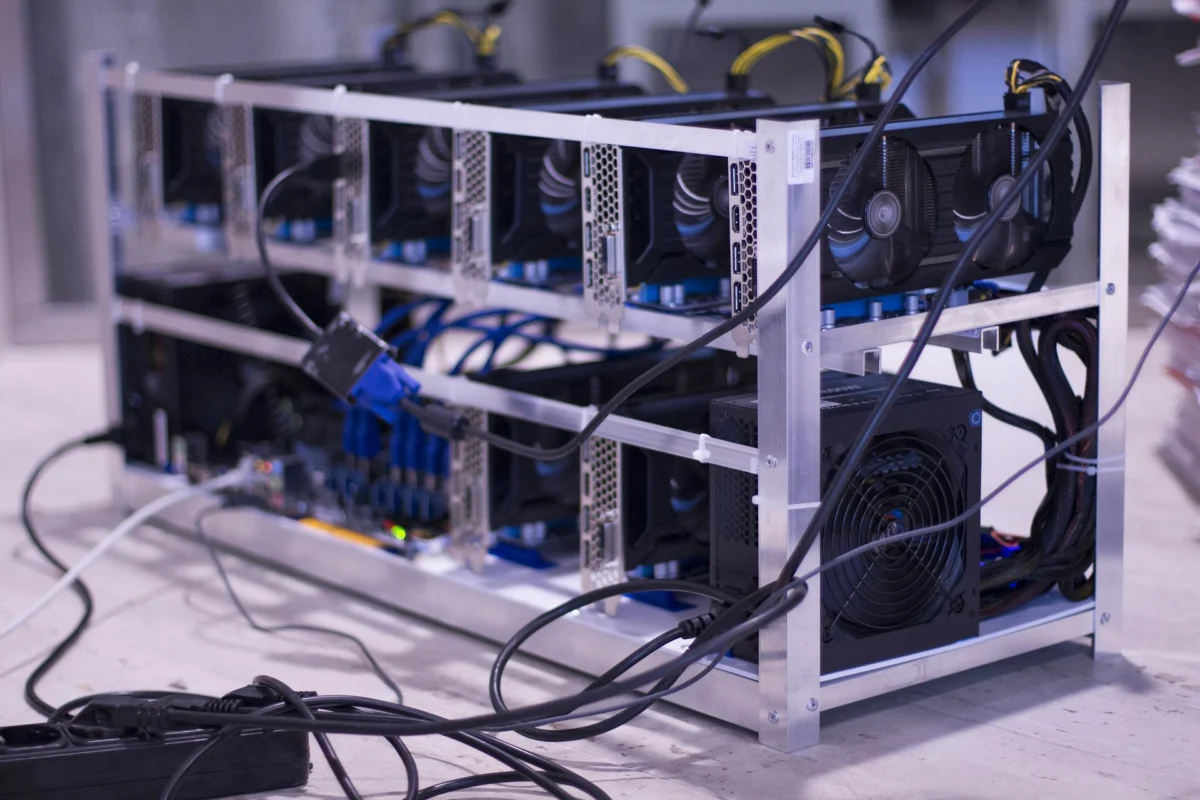
The Iranian government has significantly escalated its campaign against unauthorized cryptocurrency mining, with law enforcement agencies and state utility providers dismantling 9,404 illegal mining farms over the past five months. This aggressive enforcement action comes as the Islamic Republic grapples with a systemic energy crisis that has triggered widespread power outages, social unrest, and a critical strain on the nation’s aging electrical infrastructure. According to statements from Kambiz Nazerian, the head of the Tehran Electricity Distribution Company, the most recent wave of seizures focused heavily on the capital city, where high-density mining operations were found embedded within residential and commercial districts.
The scale of the crackdown reflects the severity of Iran’s energy deficit. Despite possessing some of the world’s largest natural gas and oil reserves, the country has struggled to maintain a consistent power supply during peak summer months. The Iranian authorities have pointed to the energy-intensive nature of Bitcoin and Altcoin mining as a primary culprit for the grid’s instability. By utilizing a combination of sophisticated detection technology and neighborhood inspections, police have identified thousands of "energy-guzzling" devices that were operating without licenses, often siphoning power from subsidized public grids.
The Economic Drivers of Iran’s Mining Boom
To understand the scale of the current crackdown, one must examine the economic landscape that made Iran a global hub for cryptocurrency mining. The primary catalyst is the country’s heavily subsidized electricity. Due to its vast fossil fuel reserves, the Iranian government provides some of the cheapest electricity in the world to its citizens and industries. While this is intended to support domestic manufacturing and low-income households, it created a massive arbitrage opportunity for crypto miners.
For years, the cost of the electricity required to mine one Bitcoin in Iran was a fraction of the global average. This high-profit margin attracted not only domestic tech enthusiasts but also large-scale international "mining farms," including influential networks and Chinese investment groups. At its peak in early 2021, data from the Cambridge Bitcoin Electricity Consumption Index (CBECI) suggested that Iran accounted for approximately 7.5% of the global Bitcoin hashrate. This surge in activity placed a demand on the national grid that the Ministry of Energy was unprepared to meet.
Furthermore, the backdrop of international sanctions has played a pivotal role. With the Iranian Rial facing significant inflation and restricted access to the global banking system, many Iranians turned to cryptocurrency as a hedge against currency devaluation and a means of facilitating international trade. However, what began as a financial lifeline for many has evolved into a logistical nightmare for the state’s utility providers.
Exploitation of Public Infrastructure and Subsidized Power
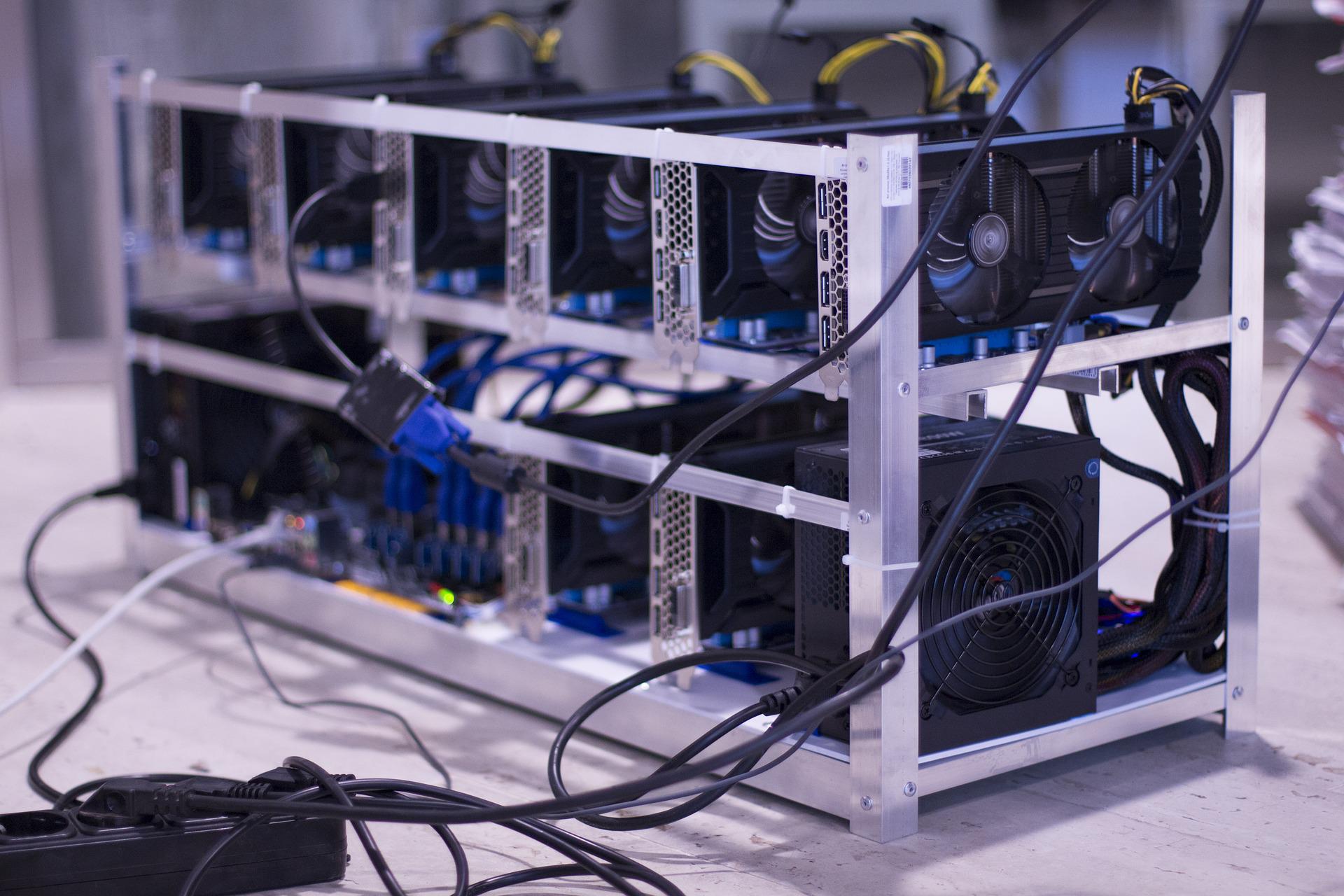
A particularly contentious aspect of the illegal mining trend in Iran is the exploitation of public and religious institutions. Because mosques, schools, and certain community centers receive free or highly subsidized electricity from the government, they became prime targets for "stealth mining." Investigative reports from Iranian media outlets, such as Iran International, have highlighted numerous cases where mining rigs were discovered hidden within the basements of religious sites.
The use of public infrastructure for private gain has drawn the ire of both the public and government officials. By utilizing these connections, illegal miners effectively shifted the cost of their operations onto the state and, by extension, the taxpayers. The Ministry of Energy has noted that these clandestine operations are often more damaging than organized industrial farms because they are distributed across the grid, making them harder to track and causing localized transformer failures and voltage fluctuations in residential neighborhoods.
A Chronology of Regulatory Shift and Enforcement
The relationship between the Iranian state and the crypto-mining industry has been marked by periods of cautious legalization followed by draconian restrictions.
- July 2019: The Iranian cabinet officially recognized cryptocurrency mining as a legal industrial activity. This move was intended to regulate the sector, allowing the government to collect taxes and charge miners higher, industrial-grade electricity rates.
- January 2021: As winter energy demands spiked, the government began its first major crackdown, seizing 45,000 application-specific integrated circuit (ASIC) machines. These machines were largely being operated by Tavanir, the state-run energy provider, using subsidized rates under the guise of other industrial activities.
- May 2021: Following a series of massive blackouts in major cities, then-President Hassan Rouhani announced a total ban on all crypto mining—both legal and illegal—until September. This was a desperate measure to preserve the grid during the peak summer heat.
- June 2022: As temperatures rose again, the government repeated its ban. During this period, police reported the seizure of 7,000 illegal machines in a single month. To further manage the load, the authorities cut power to 118 licensed mining platforms that had previously been granted permission to operate.
- August 2022: The current reporting period confirms the detection and closure of 1,620 mining operations in early August alone, with a cumulative total of 9,404 farms shut down over five months. These operations were estimated to have consumed over 250 megawatts of power.
The Technical Burden: Why Mining Strains the Grid
Cryptocurrency mining, specifically the "Proof of Work" (PoW) consensus mechanism used by Bitcoin, requires massive computational power. Specialized computers, known as ASICs, run complex algorithms 24 hours a day to secure the network and earn rewards. The heat generated by these machines is immense, requiring additional electricity for high-powered cooling systems.
In Iran, the electricity grid is already under pressure from aging infrastructure and a lack of investment in modernizing power plants, partly due to the aforementioned sanctions. When thousands of mining rigs are added to the system, the cumulative load exceeds the generation capacity of the country’s hydroelectric and thermal power plants. This is particularly acute in the summer, when air conditioning use peaks, and in the winter, when natural gas is diverted from power plants to heat homes. The resulting "load shedding"—planned power outages—has impacted hospitals, businesses, and daily life, leading to sporadic protests across several provinces.
Official Responses and Social Implications
The Iranian government’s rhetoric regarding crypto mining has become increasingly hostile. Officials from Tavanir, the state electricity company, have characterized illegal mining as a "theft of public resources." Tavanir has even offered bounties to citizens who report the locations of illegal mining farms, leading to a climate of increased surveillance.

"The illegal use of subsidized electricity for mining is a violation of the rights of all citizens," a spokesperson for the Ministry of Energy stated in a recent briefing. "Those who jeopardize the stability of the national grid for personal profit will face the full force of the law, including heavy fines and the permanent confiscation of their equipment."
The social impact of these measures is multifaceted. On one hand, citizens frustrated by blackouts generally support the removal of large-scale "guzzlers" from the grid. On the other hand, the crackdown has affected small-scale miners who viewed crypto as their only viable path to financial stability in a crippled economy. The involvement of "influential networks" and foreign groups has also fueled a narrative of corruption, where well-connected individuals are perceived to be profiting while the average citizen sits in the dark.
Broader Impact and Global Context
Iran is not alone in its struggle to balance the growth of the digital asset economy with energy security. Other regions have faced similar dilemmas:
- Kosovo: In early 2022, Kosovo implemented a total ban on cryptocurrency mining after the country faced its worst energy crisis in a decade. Like Iran, Kosovo benefited from low electricity prices that attracted a surge in mining activity, which the national grid could not sustain.
- Kazakhstan: Once a top destination for miners fleeing China’s 2021 ban, Kazakhstan was forced to hike taxes and intermittently shut down power to miners following massive civil unrest fueled by rising energy costs.
- China: The most significant global shift occurred when China, previously the world’s mining capital, banned the practice entirely in 2021, citing both environmental concerns and the risk to financial stability.
These global examples illustrate a growing trend: as cryptocurrencies become more mainstream, their environmental and infrastructural "footprint" is coming under intense scrutiny from sovereign states. For Iran, the issue is not merely environmental but a matter of national security and social order.
Future Outlook: Regulation vs. Prohibition
As the September deadline for the current mining ban approaches, the future of the industry in Iran remains uncertain. The government has signaled that it does not intend to ban the practice permanently but will instead impose much stricter licensing requirements and significantly higher electricity tariffs for miners. The goal is to decouple crypto mining from the subsidized domestic grid entirely, forcing miners to either build their own renewable energy sources or pay rates that reflect the true cost of generation.
However, as long as the economic disparity between subsidized power and the value of Bitcoin remains high, the incentive for illegal mining will persist. Analysts suggest that unless Iran can modernize its power grid and find a way to integrate mining into a controlled industrial framework, the cycle of summer bans and police raids is likely to continue. The current seizure of 9,404 farms is a significant blow to the "shadow economy," but it remains a reactive measure to a deeper, structural energy crisis that continues to plague the nation.














