The Iranian government has significantly escalated its enforcement actions against unauthorized cryptocurrency mining operations, seizing nearly 10,000 mining devices in the capital city of Tehran over the past five months. This surge in law enforcement activity comes as the Islamic Republic grapples with a deepening energy crisis that has resulted in widespread power outages, domestic instability, and a strained national power grid. According to statements from regional energy officials, the crackdown is a direct response to the "energy-guzzling" nature of digital asset extraction, which authorities blame for destabilizing the country’s electrical infrastructure during periods of peak demand.
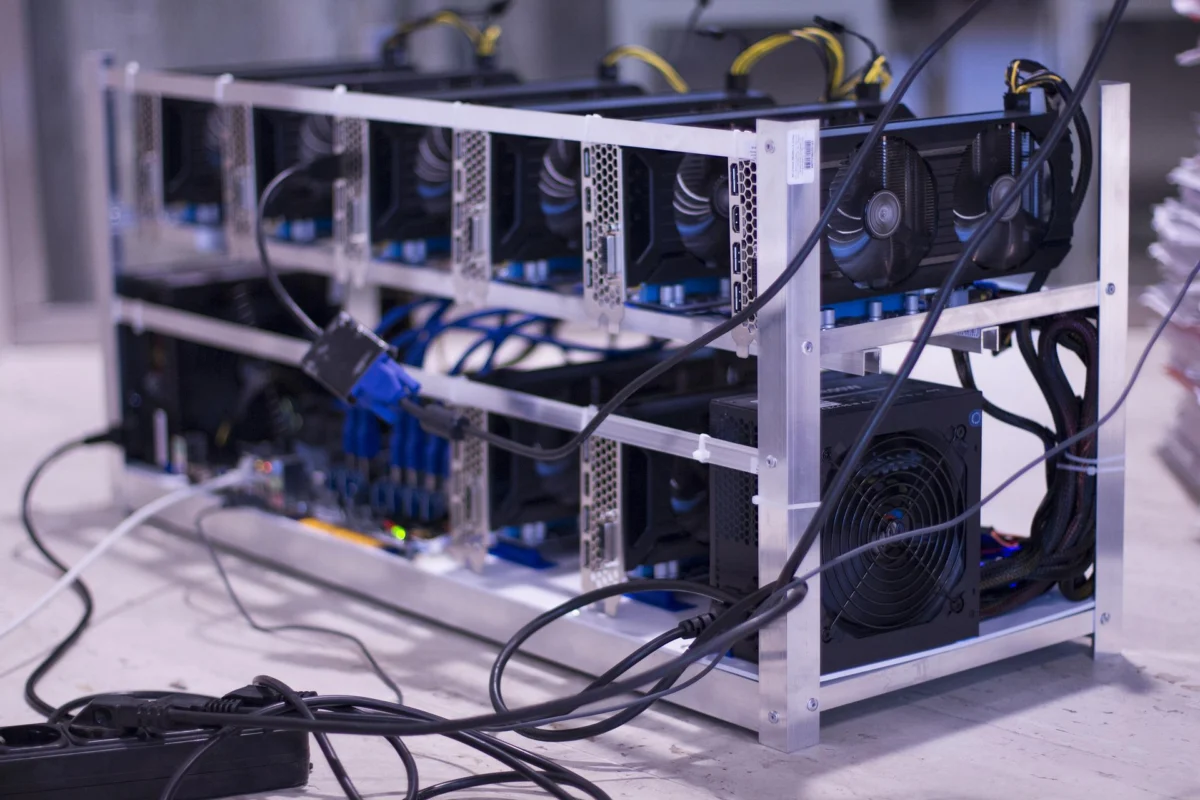
Kambiz Nazerian, the head of the Tehran Electricity Distribution Company, confirmed in a recent press briefing that state police and energy inspectors successfully identified and dismantled 9,404 illegal mining units across various districts of Tehran. These devices, primarily high-powered Application-Specific Integrated Circuit (ASIC) miners, were found operating in residential areas, industrial warehouses, and even public institutions. The discovery of such a high volume of hardware in the capital alone highlights the scale of the underground mining industry in Iran, a nation that has emerged as a global hub for Bitcoin production due to its abundant fossil fuel reserves and heavily subsidized electricity.
The Scope of the Underground Mining Industry
The recent seizures in Tehran represent only a fraction of a much larger, nationwide effort to purge the grid of unauthorized loads. In June alone, Iranian authorities reported the confiscation of 7,000 illegal mining machines in a series of coordinated raids. Over the past 18 months, the state-run energy provider, Tavanir, has reportedly shut down more than 1,620 dedicated crypto-mining centers that were operating without licenses. These operations collectively consumed an estimated 250 megawatts of electrical power—an amount equivalent to the consumption of several mid-sized cities.
The Iranian government’s struggle with cryptocurrency is multifaceted. While the state has historically viewed digital assets as a potential tool to bypass international economic sanctions and facilitate cross-border trade, the physical infrastructure required to "mint" these assets has become a liability. Iran’s power grid is aging and suffers from a lack of investment, a situation exacerbated by extreme weather conditions. During the summer months, record-breaking temperatures drive up the use of air conditioning, while in the winter, the diversion of natural gas for heating leaves power plants struggling to generate sufficient electricity.
Exploitation of Subsidized Power and Public Institutions
One of the most contentious aspects of the Iranian mining boom is the exploitation of subsidized electricity. The Iranian government provides some of the cheapest power in the world to its citizens and public sectors. This has created a massive incentive for "energy arbitrage," where miners utilize low-cost or free electricity to generate high-value digital currency.
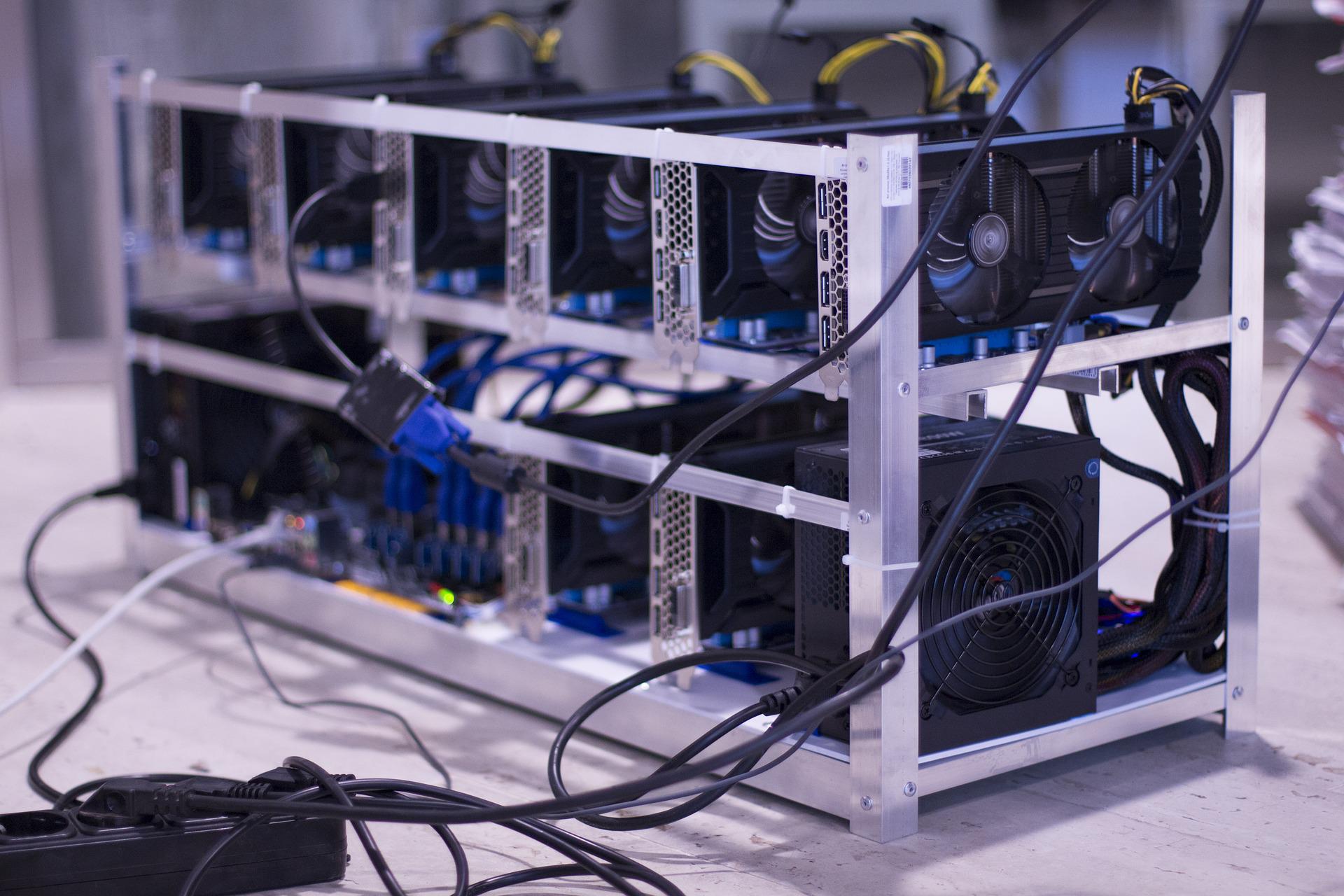
Reports from local media outlets, including Iran International, indicate that a significant portion of the illegal mining activity has moved into the shadows of public life. Inspectors have frequently discovered mining rigs hidden within mosques, schools, and agricultural facilities. These institutions often receive free or highly discounted power from the state, making them ideal locations for clandestine mining farms. By setting up rigs in a mosque or a rural school, miners can operate with virtually zero overhead, maximizing their profits at the expense of the national treasury and the stability of the local grid.
Furthermore, the involvement of "influential networks" has complicated enforcement. While small-scale "home miners" are frequently targeted, analysts suggest that large-scale operations are often backed by individuals or groups with political connections. Additionally, Chinese mining syndicates have reportedly established a presence in Iran, seeking a haven after the Chinese government’s 2021 ban on all cryptocurrency activities. These groups often bring sophisticated hardware and significant capital, further straining the Iranian infrastructure.
A Chronology of Regulatory Volatility
Iran’s relationship with the crypto industry has been characterized by a cycle of legalization, restriction, and outright bans.
- 2019: Iran officially recognized cryptocurrency mining as a legal industrial activity, requiring miners to obtain licenses from the Ministry of Industry, Mine, and Trade. This was seen as a move to regulate the sector and generate tax revenue.
- Early 2021: The Cambridge Bitcoin Electricity Consumption Index (CBECI) reported that Iran accounted for approximately 7.5% of the global Bitcoin hashrate. However, the surge in activity led to the seizure of 45,000 ASIC machines in January as blackouts began to plague major cities.
- May 2021: Following a series of massive power outages that sparked national protests, the Iranian government issued a blanket ban on all mining operations—both licensed and unlicensed—for four months.
- Late 2021 to Early 2022: As temperatures dropped and gas shortages began, the government again ordered licensed miners to cease operations to prioritize residential heating.
- Summer 2022: Facing another season of peak demand, authorities cut the power to 118 licensed mining platforms and intensified raids on illegal farms, leading to the most recent seizures in Tehran.
This "stop-start" regulatory environment has created significant uncertainty for legitimate businesses while pushing more operators into the informal, unregulated sector.
The Economic Drivers of Iranian Crypto Mining
To understand why Iranians continue to mine despite the risks of arrest and equipment confiscation, one must look at the nation’s broader economic landscape. Decades of international sanctions, coupled with domestic mismanagement, have led to hyperinflation and the precipitous devaluation of the Iranian Rial. For many Iranians, Bitcoin and other cryptocurrencies represent a "hard" asset that can preserve wealth and provide a lifeline to the global economy.
In this context, the high electricity consumption of mining is seen by participants as a necessary cost for economic survival. When the local currency loses a significant portion of its value annually, the ability to earn rewards in a globally traded digital asset becomes an irresistible proposition. This economic desperation ensures that as soon as one mining farm is shut down, others are likely to emerge in its place.

Broader Implications and Regional Context
Iran is not alone in its struggle to balance the demands of the burgeoning crypto industry with the realities of a fragile power grid. Other regions, such as Kosovo and parts of Central Asia, have faced similar crises. In Kosovo, the government implemented a total ban on mining after an energy emergency was declared in 2022. Similarly, Kazakhstan—once the world’s second-largest mining hub—has faced social unrest and power shortages, leading to tax hikes on miners and more stringent regulations.
The Iranian situation, however, is unique due to the intersection of energy policy and geopolitical sanctions. The state-run energy provider, Tavanir, has argued that the 250 megawatts consumed by illegal miners could be the difference between a stable grid and a total blackout. The government has even gone so far as to offer bounties to citizens who report illegal mining activities, effectively turning the energy crisis into a matter of national security and civic surveillance.
Impact on the Global Crypto Market
While the 9,404 machines seized in Tehran may seem like a large number, their removal from the network has a negligible impact on the global Bitcoin hashrate, which remains near all-time highs. However, the cumulative effect of crackdowns in Iran, Kazakhstan, and other "cheap energy" jurisdictions suggests a shifting geography for the mining industry.
As developing nations or those with unstable grids crack down on miners, the industry is increasingly migrating toward more stable, albeit more expensive, jurisdictions like the United States, Canada, and parts of Northern Europe. This migration often involves a shift toward renewable energy sources, as miners seek to avoid the political and infrastructure-related risks associated with relying on the national grids of energy-distressed nations.
Conclusion and Future Outlook
The recent actions in Tehran signal that the Iranian government is prioritizing grid stability over the potential economic benefits of the crypto industry, at least in the short term. With the current ban on mining expected to be reviewed in September, the industry remains in a state of flux. However, even if the ban is lifted, the underlying issues—subsidized power, an aging grid, and economic volatility—remain unresolved.
For the Iranian authorities, the challenge is twofold: they must modernize their energy infrastructure to meet the demands of a 21st-century economy while finding a way to integrate digital assets into a legal framework that does not compromise the welfare of the general population. Until a sustainable balance is found, the "cat-and-mouse" game between state police and clandestine miners is likely to continue, with the nation’s power grid hanging in the balance. The 9,404 rigs seized this summer are a testament to the scale of the challenge and a reminder that in the world of cryptocurrency, the most valuable resource is not the code, but the electricity that powers it.