


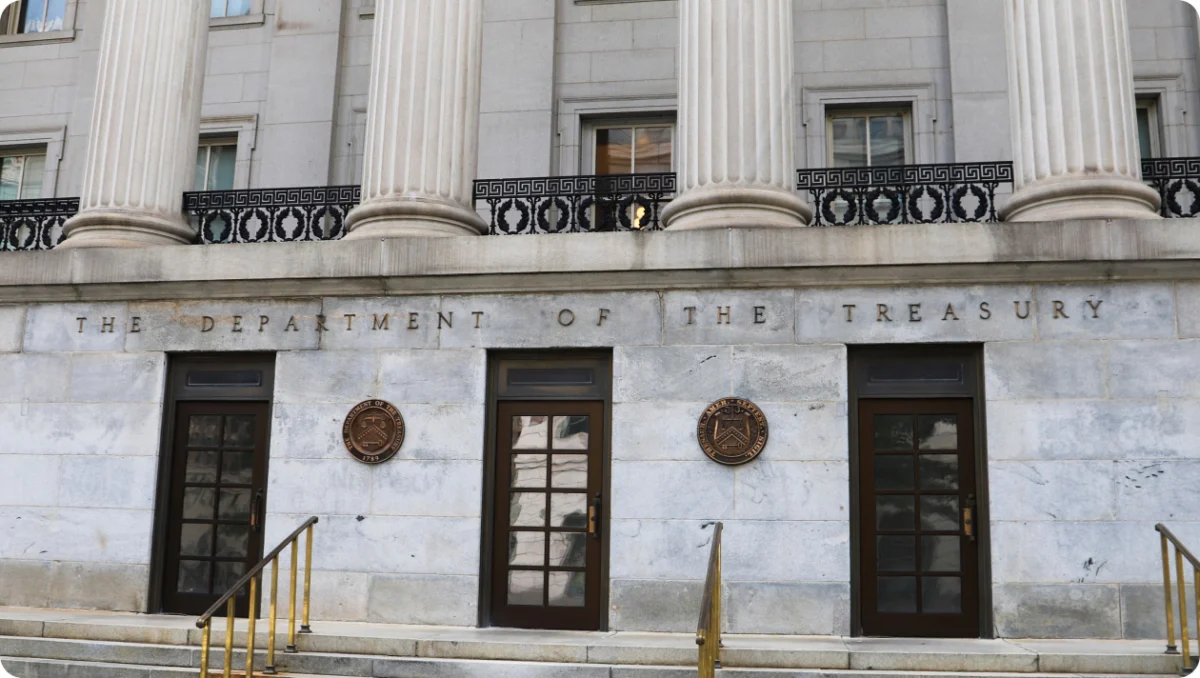
On May 20, 2026, the United States Department of the Treasury’s Office of Foreign Assets Control (OFAC) announced a sweeping set of sanctions targeting a specialized financial cell within the Sinaloa Cartel, marking a significant escalation in the federal government’s efforts to dismantle the digital infrastructure supporting the illicit fentanyl trade. This enforcement action focuses on a high-level money laundering network operated by the Los Chapitos faction of the cartel, which has increasingly abandoned traditional banking systems in favor of cryptocurrency to move the proceeds of drug sales across the U.S.-Mexico border. By designating over a dozen individuals and entities, U.S. authorities aim to disrupt the "cash-to-crypto" pipeline that has allowed one of the world’s most violent criminal organizations to repatriate millions of dollars in street-level profits with unprecedented speed and anonymity.
The Evolution of the Sinaloa Cartel’s Financial Architecture
The Sinaloa Cartel, long considered one of the most powerful and resilient drug trafficking organizations in the world, has undergone a significant internal transformation following the extradition and life sentence of its former leader, Joaquin "El Chapo" Guzman. The rise of his sons, collectively known as "Los Chapitos," has signaled a shift toward more technologically advanced methods of operation. Central to this evolution is the move away from traditional bulk cash smuggling—a method fraught with the risks of physical seizure by border agents—toward the use of decentralized finance (DeFi) and stablecoins.
The May 20 designations highlight a specialized cell led by Armando de Jesus Ojeda Aviles. According to Treasury officials, Ojeda Aviles emerged as the primary financial architect for the Los Chapitos faction following the vacuum left by his predecessor, Mario Alberto Jimenez Castro. Jimenez Castro had been a pioneer in the cartel’s crypto-laundering efforts before he was sanctioned by OFAC in September 2023 and subsequently murdered in Mexico, a testament to the high-stakes and volatile nature of the cartel’s internal hierarchy. Ojeda Aviles reportedly stepped into this role, refining the network’s logistics and expanding its reach within the United States.
Mechanics of the Cash-to-Crypto Pipeline
The laundering cycle begins on the streets of American cities, where fentanyl is sold by local distributors and gangs affiliated with the Sinaloa Cartel. This generates vast quantities of small-denomination "street cash," which is difficult to move and easy for law enforcement to track if deposited into traditional banks. To solve this, the Ojeda Aviles network employs a sophisticated web of couriers and brokers.
Key among these figures is Alarcon Palomares, a U.S.-based courier designated in the recent sanctions. Palomares’ role was to aggregate bulk physical cash from various narcotics distribution points across the country. Once the cash was consolidated, it was handed over to illicit money brokers, such as Jesus Alonso Aispuro Felix. Aispuro Felix served as the network’s chief broker, responsible for the actual conversion of fiat currency into digital assets.
The process typically involves "over-the-counter" (OTC) transactions where physical cash is exchanged for stablecoins—cryptocurrencies pegged to the value of the U.S. dollar, such as USDT or USDC. These assets are favored by cartels because they offer the stability of the dollar combined with the borderless, permissionless nature of blockchain technology. By converting cash into crypto, the cartel can move value across the border instantly, bypassing the reporting requirements of the Bank Secrecy Act (BSA) and the scrutiny of Anti-Money Laundering (AML) protocols.
On-Chain Analysis: Tracking the Flow of Illicit Funds
Blockchain intelligence firms, including Chainalysis, have played a critical role in providing the data necessary for these sanctions. On-chain forensics revealed a consistent pattern of behavior within the Ojeda Aviles network. Once the cash was converted to stablecoins, the funds were directed to digital wallets controlled by the cartel.
To further obscure the audit trail, the network utilized decentralized exchanges (DEXs). Unlike centralized exchanges (CEXs), which require users to undergo "Know Your Customer" (KYC) verification, DEXs operate via smart contracts and do not require personal identification. The Ojeda Aviles cell used these platforms to "swap" between different types of stablecoins, a tactic intended to break the direct link between the initial deposit and the final destination.
After multiple hops through various wallets and DEXs, the funds were eventually moved to centralized exchanges, often located in jurisdictions with lax regulatory oversight. At these points, the cryptocurrency was "cashed out" back into Mexican pesos or other fiat currencies, which were then used to fund the cartel’s operational expenses, including the purchase of precursor chemicals for fentanyl production, payroll for gunmen, and the acquisition of high-end weaponry.

Chronology of the Enforcement Action and Cartel Response
The sanctions issued on May 20, 2026, represent the culmination of a multi-year investigation involving the Drug Enforcement Administration (DEA), Homeland Security Investigations (HSI), and the Treasury’s Internal Revenue Service-Criminal Investigation (IRS-CI).
- September 2023: OFAC sanctions Mario Alberto Jimenez Castro, the initial architect of the Los Chapitos crypto-laundering cell.
- Late 2023: Following the death of Jimenez Castro, Armando de Jesus Ojeda Aviles takes control of the network, modernizing the infrastructure and recruiting new brokers.
- 2024–2025: U.S. law enforcement intensifies surveillance of "unhosted wallets" and monitors high-volume stablecoin transfers originating from known cartel hubs.
- Early 2026: Intelligence gathered from seized devices and cooperating witnesses identifies Jesus Alonso Aispuro Felix and Alarcon Palomares as critical nodes in the network.
- May 20, 2026: The U.S. Treasury officially designates the Ojeda Aviles network, freezing all U.S.-based assets and prohibiting U.S. persons from engaging in any transactions with the identified individuals and entities.
While the Sinaloa Cartel has not issued a formal response—as is typical for criminal organizations—intelligence reports suggest that the Los Chapitos faction has been under increasing pressure. The disruption of their financial logistics is expected to create temporary liquidity issues, hindering their ability to pay for the large-scale shipments of precursor chemicals typically sourced from chemical companies in East Asia.
Supporting Data: The Fentanyl Crisis and Financial Stakes
The urgency of this enforcement action is underscored by the devastating impact of the fentanyl epidemic in the United States. According to the most recent data from the Centers for Disease Control and Prevention (CDC), synthetic opioids, primarily fentanyl, continue to be the leading cause of death for Americans between the ages of 18 and 45. In 2025 alone, over 110,000 overdose deaths were recorded, a majority of which were linked to illicitly manufactured fentanyl.
The financial incentives for the Sinaloa Cartel are staggering. A single kilogram of fentanyl, produced for a few thousand dollars in a clandestine lab in Mexico, can generate upwards of $1 million in revenue once pressed into counterfeit pills and distributed on U.S. streets. The ability to launder these profits is the "oxygen" that allows the cartel to survive. U.S. Treasury officials estimate that the Ojeda Aviles network was responsible for moving tens of millions of dollars annually, representing a significant portion of the Los Chapitos’ liquid capital.
Official Statements and Policy Implications
"Today’s action demonstrates our commitment to hitting the Sinaloa Cartel where it hurts most: their bottom line," stated a spokesperson for the Treasury’s Under Secretary for Terrorism and Financial Intelligence. "The use of cryptocurrency does not grant criminals anonymity. We are deploying every tool at our disposal, from advanced blockchain analytics to international partnerships, to ensure that those who profit from the fentanyl crisis are held accountable."
The DEA echoed these sentiments, noting that the dismantling of financial cells is just as important as the seizure of physical drugs. "We are no longer just chasing trucks across the border; we are chasing digital signatures across the blockchain. This designation is a warning to money brokers everywhere: if you facilitate the flow of narco-dollars, we will find you and we will cut you off from the global financial system."
Broader Implications for the Cryptocurrency Industry
This latest round of sanctions carries significant weight for the global cryptocurrency industry, particularly for centralized exchanges and stablecoin issuers. The Treasury’s action highlights the increasing regulatory expectations for virtual asset service providers (VASPs).
- Enhanced Compliance Requirements: Exchanges are now under immense pressure to implement more robust monitoring systems that can detect the "red flags" associated with cartel activity, such as frequent, high-value transfers from unhosted wallets followed by immediate swaps on DEXs.
- The Role of Stablecoins: The heavy reliance on stablecoins in this case may lead to increased calls for stablecoin issuers to implement "blacklisting" capabilities at the smart contract level, allowing them to freeze tokens associated with sanctioned addresses.
- DeFi Regulation: The use of decentralized exchanges by the Sinaloa Cartel will likely fuel the ongoing debate in Washington regarding how to regulate DeFi protocols that currently operate outside the traditional regulatory perimeter.
Analysis of the Long-term Impact
While the May 20 sanctions are a major blow to the Los Chapitos faction, experts warn that the cartel is highly adaptive. Historically, when one financial cell is dismantled, another often rises to take its place. However, the targeting of specialized technical talent—the "crypto-brokers"—presents a unique challenge for the cartel. Unlike street-level enforcers, skilled money launderers with the technical expertise to navigate the blockchain while avoiding detection are a rarer resource.
By degrading the cartel’s ability to use cryptocurrency, the U.S. government is forcing the organization back toward more traditional, and thus more easily detectable, methods of money laundering. This "cat-and-mouse" game will continue, but the Treasury’s success in mapping the on-chain mechanics of the Sinaloa Cartel suggests that the era of "invisible" digital money laundering is rapidly coming to an end.
The designation of the Ojeda Aviles network serves as a landmark case in the intersection of counter-narcotics and financial technology. It underscores a new reality in modern law enforcement: the front lines of the drug war are now as much in the digital code of the blockchain as they are on the physical borders of the nation. As the U.S. continues to refine its ability to track illicit digital flows, the financial walls are closing in on the architects of the fentanyl trade.














