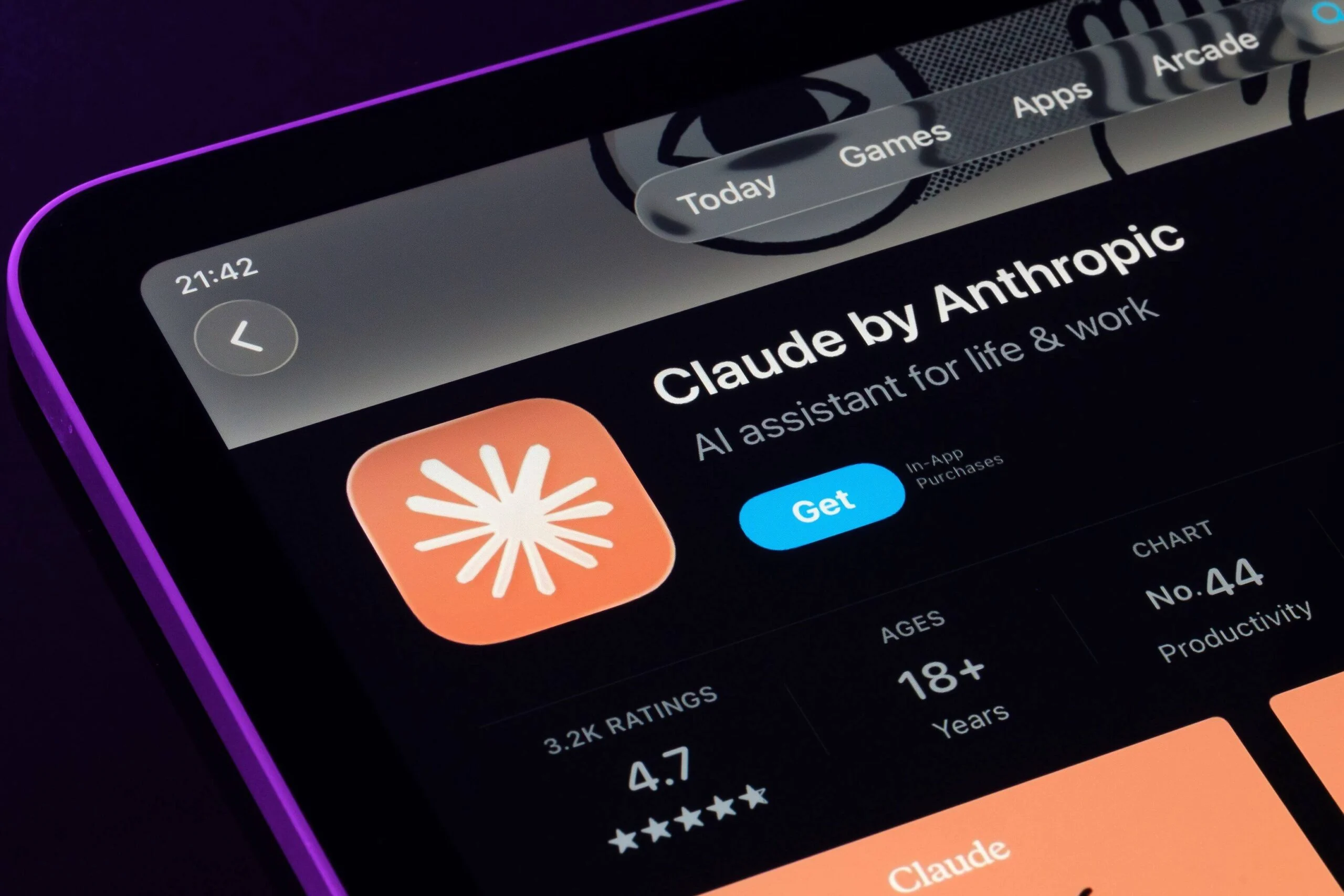
Payward, the parent company behind the prominent cryptocurrency exchange Kraken, has officially become a participant in Anthropic’s Project Glasswing security initiative, marking a significant advancement in the application of artificial intelligence for digital asset security. This strategic partnership grants Payward access to Claude Mythos 5, Anthropic’s state-of-the-art AI technology meticulously engineered for sophisticated defensive cybersecurity operations, signaling a proactive step by a major crypto entity to bolster its defenses against an increasingly complex threat landscape. The integration of such a powerful AI model is poised to redefine how vulnerabilities are identified and mitigated within critical financial infrastructure, particularly in the high-stakes world of cryptocurrency.
The announcement, made by Payward on August 17, 2026, underscored the company’s commitment to leveraging cutting-edge technology to safeguard its extensive operational environments. According to the company’s plans, Claude Mythos 5 is slated for implementation across its various systems in the near future, where it will conduct comprehensive vulnerability assessments at an unprecedented scale and speed. This move positions Payward at the forefront of AI adoption in cybersecurity, potentially setting a new standard for security protocols within the volatile and often targeted cryptocurrency industry.
The Strategic Imperative: Securing Digital Assets
The decision by Payward to integrate Claude Mythos 5 stems from the inherent and elevated security risks faced by cryptocurrency platforms. Unlike traditional financial institutions, crypto exchanges operate 24/7, managing continuous digital asset trading, custody operations, and settlement functions across a global, decentralized network. This always-on, high-value environment makes them prime targets for sophisticated cyberattacks, ranging from phishing and ransomware to complex smart contract exploits and zero-day vulnerabilities. The financial losses from successful breaches can be staggering, eroding user trust and threatening the stability of the entire ecosystem. According to various industry reports, cryptocurrency platforms contend with security threats that are not merely comparable but often surpass the complexity and frequency of those confronting other mission-critical financial systems. The sheer volume of assets under management and the immutable nature of blockchain transactions mean that security failures can have irreversible consequences.
Arjun Sethi, co-CEO of Payward, articulated the transformative potential of the AI model in shifting the tactical advantage from attackers to defenders. "A model can read every line of code the way an attacker would, at machine scale, so we find the flaw before anyone can build the exploit," Sethi explained in a statement. This insight highlights the core promise of Mythos 5: its ability to rapidly analyze vast codebases, identify subtle security weaknesses that might elude human auditors or conventional scanning tools, and even recommend precise remediation solutions, thereby creating a robust, proactive defense mechanism.
Anthropic’s Claude Mythos 5: A New Frontier in Defensive AI
Claude Mythos 5 represents the pinnacle of Anthropic’s research in AI safety and security. Developed with a deep understanding of adversarial machine learning and the intricate nature of software vulnerabilities, the system is designed to act as a highly intelligent, automated security analyst. Its capabilities extend beyond mere pattern recognition; Mythos 5 can understand context, infer potential exploit paths, and predict human-like attack vectors by simulating a malicious actor’s thought process at machine scale. Anthropic, a leader in AI research alongside giants like OpenAI and Google DeepMind, has emphasized a "Constitutional AI" approach, building safety and ethical guidelines directly into its models. This is particularly crucial for a powerful tool like Mythos 5, as the company maintains strict controls over access. The same technology capable of uncovering vulnerabilities could, in the wrong hands, potentially assist in developing functional exploits, underscoring the critical need for responsible deployment and stringent access protocols.
The integration of Mythos 5 into Payward’s security framework is intended to supplement, rather than replace, existing assessment workflows. While the company has not disclosed specifics on whether Mythos 5 will analyze live production environments or operate solely with isolated code repositories, the results from its vulnerability scans will be seamlessly integrated into Payward’s established security assessment procedures. This suggests a multi-layered approach where AI-driven insights enhance human expertise.
The Indispensable Human Element: Verifying AI-Identified Vulnerabilities
Despite the advanced capabilities of Claude Mythos 5, Payward has emphatically stated that all AI-identified security issues will undergo rigorous human verification before being confirmed as legitimate vulnerabilities. This commitment to human oversight is a critical safeguard, acknowledging a known limitation of even the most sophisticated AI systems: the frequent generation of false positive results in complex software analysis. AI models, while powerful, can sometimes misinterpret code patterns or identify theoretical weaknesses that are not practically exploitable in a real-world context.
This principle of human validation is not unique to Payward’s implementation. The Ethereum Foundation, a key organization in the blockchain space, arrived at comparable findings during its own AI-assisted security evaluations. Their extensive research demonstrated that vulnerability reports produced by AI systems, especially when examining highly sophisticated protocol implementations and smart contracts, still necessitate thorough human review by experienced security engineers. This collaborative model, where AI acts as a force multiplier for human analysts, is increasingly recognized as the most effective strategy for robust cybersecurity.
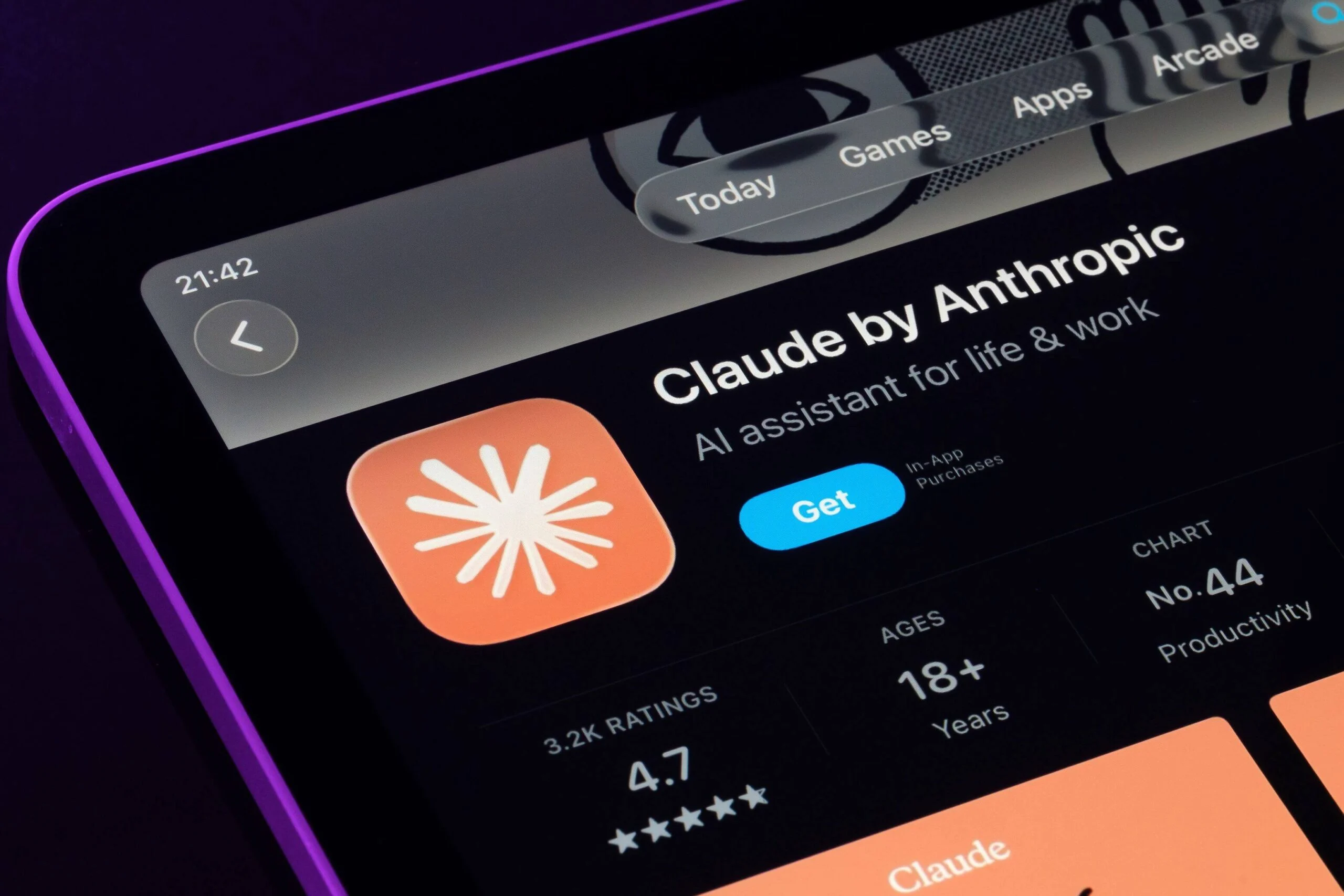
Furthermore, Payward has committed to a policy of responsible disclosure. Confirmed vulnerabilities found by Mythos 5 in open-source third-party software components—a common element in modern software stacks—will be shared with the respective project maintainers. This collaborative approach not only strengthens Payward’s own security posture but also contributes to the broader ecosystem’s resilience. However, the company has yet to release detailed information regarding its coordinated disclosure procedures or specific timelines for such reporting, an area that will require transparency as the program matures.
Project Glasswing: A Collaborative Defense Initiative
Payward’s participation is part of Anthropic’s broader Project Glasswing, an ambitious collaborative security initiative introduced in April 2026. The project was conceived as a collective defense effort, bringing together leading technology and financial institutions to leverage Anthropic’s advanced AI for identifying and mitigating systemic software vulnerabilities. Initial participants in Project Glasswing included a formidable roster of industry giants, such as Amazon Web Services, Apple, Cisco, Google, JPMorgan Chase, and Microsoft. This early adoption by key players underscored the perceived value and necessity of such an initiative in an era of escalating cyber threats.
Since its inception, Project Glasswing has expanded significantly, now encompassing approximately 150 organizations distributed across more than 15 countries worldwide. This rapid growth highlights a global recognition of the need for advanced, AI-driven security solutions. Organizations seeking participation in this exclusive program must satisfy stringent security criteria, including robust internal security protocols and a demonstrated commitment to responsible AI usage, before obtaining access privileges to Anthropic’s powerful models.
Early results from Project Glasswing have been promising. Reports indicate that Anthropic’s earlier iteration, the Mythos Preview version, identified over 10,000 high-severity or critical vulnerabilities in commonly deployed software packages. While impressive, a closer look at the company’s public disclosure dashboard by May 2026 revealed that only 97 documented vulnerabilities had received upstream patches. This disparity underscores the ongoing challenge of not just finding vulnerabilities but also ensuring their timely remediation across the vast open-source ecosystem, even with advanced detection tools. Payward’s authorization to access Mythos 5 followed a crucial U.S. government determination, permitting the distribution of this powerful model to entities that operate and protect critical infrastructure systems, signaling a regulatory endorsement of its use in sensitive sectors.
Ethical Considerations and Data Governance
The deployment of a powerful AI like Claude Mythos 5 in critical infrastructure raises important ethical and governance questions. Organizations utilizing Mythos 5 must adhere to Anthropic’s 30-day data retention policy, which is implemented for safety oversight purposes. This policy ensures that Anthropic can review how its model is being used, monitor for potential misuse, and continuously improve its safety features. However, Payward has not yet specified which code repositories or specific system data will be transmitted to Anthropic during vulnerability scanning operations, a detail that will be of interest to privacy advocates and security researchers. Transparency around data handling and anonymization protocols will be crucial for maintaining trust.
The long-term implications of AI in cybersecurity extend beyond immediate vulnerability detection. As AI models become more sophisticated, they blur the lines between defensive and offensive capabilities. The potential for such powerful tools to be weaponized necessitates robust ethical frameworks, regulatory oversight, and continuous vigilance. Payward’s commitment to not triggering automatic code modifications based solely on AI scan results, instead integrating them into its current security framework, reflects a cautious and responsible approach to AI deployment. This phased integration allows for human oversight and validation, ensuring that AI augments human decision-making rather than autonomously controlling critical systems.
Broader Implications for the Financial Sector and Beyond
Payward’s adoption of Claude Mythos 5 through Project Glasswing is more than just a security upgrade for one company; it represents a significant bellwether for the broader financial sector and critical infrastructure industries. As cyber threats continue to evolve in sophistication and scale, traditional, human-centric security approaches are increasingly strained. AI offers a pathway to automate and accelerate threat detection, analysis, and response at machine speed, which is becoming essential to keep pace with adversaries.
The successful integration and demonstrable impact of Mythos 5 at Payward could catalyze wider adoption of similar advanced AI solutions across banking, healthcare, energy, and government sectors. It highlights a growing trend where AI is no longer just a tool for efficiency but a fundamental component of national and corporate security strategies. The "AI arms race" in cybersecurity is accelerating, with both defenders and attackers leveraging AI. Initiatives like Project Glasswing are crucial in ensuring that defenders remain ahead, protecting vital digital infrastructure and the trust of millions of users worldwide. The future of cybersecurity will undoubtedly be an AI-augmented landscape, where human ingenuity combined with machine intelligence forms the ultimate line of defense.