


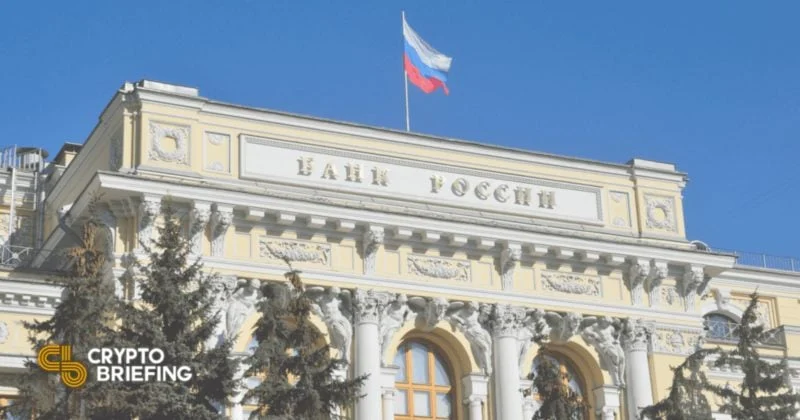
The Bank of Russia has formally rejected proposals to broaden the range of digital currencies available to retail investors, signaling a conservative approach to the nascent asset class as the country prepares to implement a comprehensive regulatory framework. Speaking in a recent interview with Radio RBC, Vladimir Chistyukhin, the Deputy Governor of the Bank of Russia, confirmed that only three specific digital assets—Bitcoin (BTC), Ethereum (ETH), and the Tether stablecoin (USDT)—will be permitted for non-qualified investors once the upcoming legislation takes effect. This decision underscores the central bank’s persistent skepticism regarding the broader cryptocurrency market, prioritizing financial stability and consumer protection over market expansion.
The move comes at a pivotal moment for the Russian financial system, which has been grappling with the dual pressures of international sanctions and a rapidly evolving domestic digital economy. The proposed regulations, which are currently moving through the State Duma, represent a significant shift from the central bank’s previous calls for a blanket ban on cryptocurrency activities. However, the latest directives from Chistyukhin indicate that while the regulator has accepted the permanence of digital assets, it intends to maintain a tight grip on how the general public interacts with them.
The Regulatory Framework and Legislative Timeline
The legislative journey for Russia’s digital currency bill has been long and fraught with debate between various government branches. In April 2024, the State Duma passed the first reading of the bill with overwhelming support, marking a milestone in the country’s attempt to bring the "gray market" of crypto into a regulated environment. The bill is currently undergoing further refinements and requires two additional readings in the Duma, followed by approval from the Federation Council and a final signature from President Vladimir Putin.
According to the timeline provided by legislative insiders, the new rules are expected to become effective as early as next month. This urgency is driven by the need to provide a legal basis for cross-border settlements using digital assets, a mechanism that has become increasingly vital for Russian businesses facing restrictions on traditional international banking channels. Despite this pragmatic pivot, the Bank of Russia remains the primary gatekeeper of domestic retail access.
Chistyukhin’s statements clarify that the "white list" of Bitcoin, Ethereum, and USDT is not necessarily permanent but will serve as the baseline for the foreseeable future. Any expansion of this list will be subject to rigorous evaluation by the regulator, focusing on liquidity, market capitalization, and the transparency of the underlying protocols.
Rationale for Restricted Access and the 300,000-Ruble Cap
The central bank’s decision to limit retail access to just three assets is rooted in a desire to mitigate exposure to extreme volatility and "pump-and-dump" schemes prevalent in the wider altcoin market. Chistyukhin cited high volatility and market risks as the primary drivers behind the restriction. Furthermore, the regulator expressed specific concerns regarding stablecoins like USDT. While USDT is included in the permitted list due to its massive utility in global trade and liquidity, the Bank of Russia warned of the potential for restrictions or freezes by the issuing entity (Tether), which could lead to significant losses for Russian holders.
In addition to limiting the variety of assets, the central bank intends to maintain a strict investment ceiling for non-qualified investors. The proposed cap is set at 300,000 rubles (approximately $3,300 USD) per year. Chistyukhin noted that this figure was not chosen arbitrarily; it currently exceeds the average balance found on traditional Russian brokerage accounts. By aligning the crypto investment limit with existing retail investment patterns, the regulator aims to prevent individuals from over-leveraging their savings in high-risk digital assets.
Qualified investors—those who meet specific criteria regarding net worth, professional experience, or trading volume—will likely have access to a broader range of assets and higher investment limits, though the exact parameters for this distinction in the crypto context are still being finalized.
Mandatory Testing and the Ban on Unlicensed Lending
A key pillar of the new regulatory regime is the introduction of mandatory knowledge testing for all investors. Similar to the requirements for purchasing complex financial instruments in the Russian stock market, both qualified and non-qualified investors will need to demonstrate a fundamental understanding of how digital currencies work, the risks involved, and the legal framework governing them.
"The goal is not to create a barrier to entry, but to ensure that the participant understands the nature of the asset they are acquiring," a spokesperson for the regulator noted during a recent briefing. This educational requirement is seen as a compromise between a total ban and an unregulated "wild west" scenario.
Furthermore, the legislation introduces a significant crackdown on the shadow banking sector of the crypto world. From 2027 onward, all unlicensed cryptocurrency lending activities will be strictly banned. This move is designed to dismantle the numerous unregulated platforms that have emerged in Russia, offering high-interest loans backed by crypto collateral. The central bank views these entities as systemic risks that operate outside the purview of traditional anti-money laundering (AML) and "know your customer" (KYC) protocols.
Historical Context: The Evolution of Russia’s Stance on Crypto
The current legislative push is the culmination of years of internal conflict within the Russian government. Historically, the Bank of Russia, led by Elvira Nabiullina, has been one of the world’s most vocal critics of cryptocurrency, frequently comparing it to a pyramid scheme. In early 2022, just weeks before the geopolitical shifts that reshaped the region’s economy, the central bank proposed a total ban on the mining, trading, and usage of cryptocurrencies.
However, the Ministry of Finance, led by Anton Siluanov, took a more moderate stance, advocating for regulation and taxation rather than prohibition. The Ministry argued that a ban would simply drive the industry underground, depriving the state of tax revenue and oversight.
The onset of heavy international sanctions in 2022 acted as a catalyst for a policy reversal. With Russian banks cut off from the SWIFT messaging system and foreign exchange reserves frozen, the pragmatic utility of digital assets for international trade became impossible to ignore. This led to a gradual softening of the central bank’s position, resulting in the current framework that allows for "experimental" use of crypto in foreign trade while maintaining strict controls on the domestic retail market.
Supporting Data: The Russian Crypto Landscape
Russia remains one of the most active participants in the global cryptocurrency ecosystem. According to data from Chainalysis, Russia consistently ranks in the top ten of the Global Crypto Adoption Index. Estimates suggest that millions of Russian citizens hold digital assets, with some reports valuing the total holdings of Russian residents at over 20 trillion rubles ($225 billion USD).
The choice of Bitcoin, Ethereum, and USDT reflects the actual usage patterns within the country. Bitcoin remains the primary store of value, while Ethereum is the foundation for most decentralized applications and smart contracts used by tech-savvy Russians. USDT, however, is arguably the most critical of the three in the current climate; it serves as a "digital dollar" for businesses and individuals looking to hedge against ruble volatility or conduct cross-border transactions without the friction of traditional banking.
The 300,000-ruble cap also reflects the economic reality of the average Russian investor. Data from the Moscow Exchange (MOEX) indicates that while the number of retail brokerage accounts has surged to over 30 million, a large majority of these accounts hold relatively small balances. By setting the cap at 300,000 rubles, the central bank is effectively covering the vast majority of the retail population while limiting the potential for catastrophic financial loss at the household level.
Implications for the Industry and the "Gray Market"
The restriction to BTC, ETH, and USDT is likely to have a mixed impact on the domestic crypto industry. For established Russian exchanges and over-the-counter (OTC) desks, the clear regulatory guidelines provide a path toward legitimacy. However, the exclusion of popular altcoins like Solana (SOL), Cardano (ADA), or various "meme coins" may push some retail traders back toward offshore, unregulated platforms.
Industry analysts suggest that the ban on unlicensed lending by 2027 will lead to a consolidation of the market. Smaller players will likely be forced out, while larger entities may seek official banking licenses or partnerships with traditional financial institutions to continue offering credit products.
There is also the question of how these regulations will interface with the Digital Ruble—Russia’s Central Bank Digital Currency (CBDC). The Bank of Russia has been aggressively pilot-testing the Digital Ruble, viewing it as a safer, state-controlled alternative to private cryptocurrencies. By restricting access to the broader crypto market, the regulator may be subtly nudging the population toward the CBDC for everyday transactions and savings.
Official Responses and Market Reactions
While the central bank’s stance is firm, it has met with some pushback from industry advocacy groups. The Russian Association of Cryptoeconomics, Artificial Intelligence, and Blockchain (RACIB) has previously argued that overly restrictive measures could stifle innovation and put Russia at a disadvantage compared to other jurisdictions like the UAE or Hong Kong, which have established more permissive regulatory environments.
In contrast, traditional financial institutions have largely welcomed the central bank’s cautious approach. Major Russian banks, which are barred from dealing directly in volatile cryptocurrencies, view the 300,000-ruble cap and the mandatory testing as necessary safeguards to prevent the destabilization of the traditional banking sector.
Conclusion and Future Outlook
The Bank of Russia’s decision to limit non-qualified investors to Bitcoin, Ethereum, and USDT represents a calculated risk. It acknowledges the necessity of digital assets in a sanctioned economy while attempting to ring-fence the general public from the most volatile segments of the market.
As the bill moves toward its final readings and presidential approval, the focus will shift to implementation. The success of this regulatory experiment will depend on the effectiveness of the mandatory testing, the ability of the state to monitor the 300,000-ruble cap across various platforms, and whether the "white list" of assets remains sufficient to meet the needs of a population increasingly looking for alternatives to traditional finance.
For now, the message from the Kremlin and the central bank is clear: cryptocurrency is here to stay, but it will operate strictly on the state’s terms. The gradual evaluation of other assets promised by Chistyukhin suggests that the door is not permanently closed to the wider crypto world, but the path forward will be marked by extreme caution and a "safety first" philosophy.














