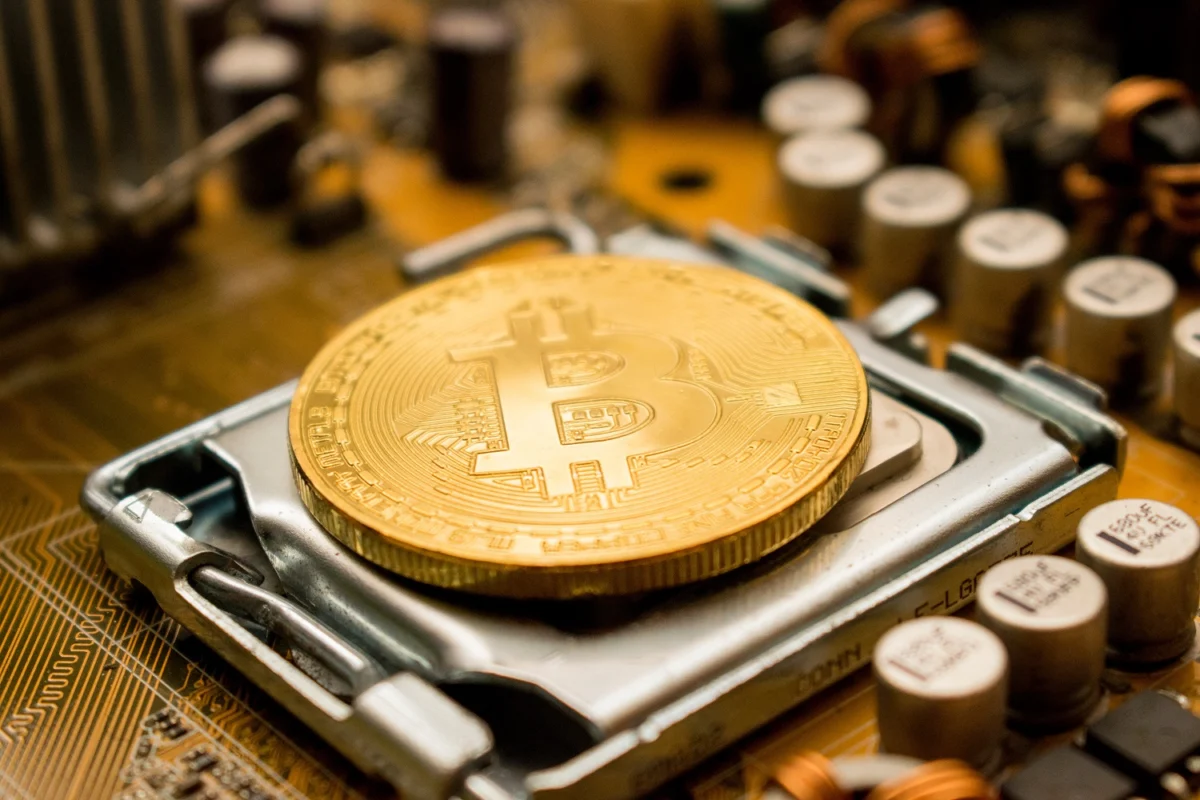
The Russian Association of Crypto Industry and Blockchain (RACIB) has officially launched a strategic initiative designed to transform the Russian Federation into the world’s primary destination for Bitcoin mining operations. This ambitious project arrives at a pivotal moment for the global digital asset ecosystem, as the industry undergoes a massive geographical redistribution of computational power. By leveraging its unique combination of vast energy reserves, favorable climatic conditions, and specialized infrastructure, Russia is positioning itself to capture the market share recently vacated by other jurisdictions.
The primary catalyst for this initiative is the ongoing and systematic crackdown on cryptocurrency mining within the People’s Republic of China. Historically, China served as the undisputed epicenter of the Bitcoin mining world, hosting upwards of 65% to 75% of the global hashrate. However, a series of stringent regulatory prohibitions initiated by the Chinese State Council and local provincial authorities—citing environmental concerns and financial stability risks—has forced a "Great Migration" of mining enterprises. Tens of thousands of Application-Specific Integrated Circuit (ASIC) miners are currently in transit, seeking jurisdictions that offer not only low-cost electricity but also long-term regulatory clarity and physical security.
RACIB, the leading industry body representing the interests of blockchain participants in Russia, recognizes this as a generational opportunity to integrate Russia into the bedrock of the global digital economy. The organization’s plan involves creating specialized "mining clusters" that provide turnkey solutions for foreign investors, particularly those fleeing the increasingly hostile regulatory environments in East Asia.
The Russian Advantage: Energy Surplus and Infrastructure
The fundamental appeal of Russia as a mining hub lies in its status as an energy superpower. According to international energy data, Russia consistently ranks among the top five global producers of electricity. Unlike many Western nations currently grappling with aging grids and energy shortages, Russia possesses a significant surplus of generating capacity. In certain industrial regions, particularly in Siberia and the Far North, the energy surplus can reach as high as 50% of the total regional capacity.
This surplus is a relic of the Soviet-era industrial design, where massive power plants were constructed to fuel heavy manufacturing centers that have since scaled back or modernized. For crypto miners, this represents a goldmine of "stranded" or underutilized energy that can be purchased at some of the lowest industrial rates in the world. RACIB’s proposal highlights that by utilizing this excess capacity, mining operations can actually improve the efficiency of the Russian national power grid by providing a consistent, "baseload" demand that helps balance the fluctuations of the energy market.
Furthermore, the geographical distribution of Russia’s population provides a logistical advantage. With a low population density across much of its landmass, there is ample space for the construction of large-scale data centers without the zoning conflicts or noise complaints that often plague mining operations in more densely populated European or American suburbs.
The Climate Factor: Natural Cooling and Operational Efficiency
Beyond the availability of power, the physical environment of Russia offers a distinct competitive edge in terms of operational expenditures (OPEX). Cryptocurrency mining is an incredibly heat-intensive process; thousands of machines running simultaneously generate massive thermal output, which must be managed to prevent hardware failure and maintain efficiency.
In temperate or tropical climates, mining farms must invest heavily in industrial-grade cooling systems and air conditioning, which significantly increases electricity consumption. Russia’s naturally cold climate, particularly in regions like Irkutsk, Krasnoyarsk, and Karelia, allows for "free cooling." By simply circulating the ambient outside air through the data centers, operators can maintain optimal hardware temperatures at a fraction of the cost required in warmer regions. This environmental factor extends the lifespan of the mining rigs and maximizes the "hashrate per watt" ratio, which is the primary metric of profitability in the industry.
The "Green Mining" Narrative and ESG Compliance
As institutional investors enter the Bitcoin space, Environmental, Social, and Governance (ESG) criteria have become a paramount concern. The criticism of Bitcoin’s carbon footprint has led to a demand for "green" mining solutions. RACIB is leaning heavily into this narrative, pointing out that approximately 40% of Russia’s power grid is powered by low-carbon sources, including hydroelectricity and nuclear power.
The Irkutsk region, for example, is home to some of the world’s largest hydroelectric power stations, such as the Bratsk and Ust-Ilimsk plants. Mining operations powered by these facilities are essentially carbon-neutral, making Russia an attractive destination for publicly traded mining companies that must report their environmental impact to shareholders and regulators. By rebranding Russian mining as a sustainable enterprise, RACIB hopes to attract high-tier Western and Asian capital that might otherwise be wary of the reputational risks associated with fossil-fuel-based mining.
Shifting Regional Dynamics: The Race with Kazakhstan
The urgency of RACIB’s project is underscored by the recent rise of Kazakhstan. Following the Chinese exodus, Kazakhstan rapidly ascended to become the third-largest mining hub in the world, briefly overtaking Russia. However, the sudden influx of miners into Kazakhstan has strained the country’s national grid, leading to localized blackouts, the introduction of new "mining taxes," and increased regulatory scrutiny.
Russia currently sits in fourth place globally in terms of mining volume, but RACIB believes that the superior stability of the Russian electrical grid compared to its neighbors makes it a more viable long-term prospect. The organization argues that while Kazakhstan was a "first-responder" destination for fleeing miners, Russia offers the "mature infrastructure" required for the industry’s next phase of institutional growth.
The Regulatory Landscape: A Balancing Act
While the technical and environmental advantages are clear, the success of RACIB’s initiative depends heavily on the legislative environment. The Russian government has historically sent mixed signals regarding digital assets. On one hand, the Ministry of Finance and the Ministry of Economic Development have expressed interest in the tax revenue and technological investment that mining brings. On the other hand, the Central Bank of Russia has frequently called for stricter controls or outright bans, citing risks to the traditional financial system.

The "On Digital Financial Assets" (DFA) law, which came into effect in early 2021, provided a basic legal framework, but it left many questions regarding the specific taxation and operational requirements for miners unanswered. RACIB is currently working as a liaison between the private sector and government agencies to advocate for a "regulated but supportive" framework. The goal is to establish "Special Economic Zones" for mining, where investors can enjoy tax holidays and legal protections in exchange for transparency and infrastructure investment.
Market Context: Bitcoin’s Price Consolidation and Network Health
The push to attract miners comes at a time of significant volatility and consolidation in the cryptocurrency markets. At the time of this reporting, Bitcoin (BTC) is trading in a range around $30,700, reflecting a 7% decline over the past week and a 14% drop over the last month. The market has struggled to break out of a consolidation zone between $30,000 and $35,000, leading to uncertainty among retail investors.
However, industry analysts note that the "health" of the Bitcoin network is often measured by its hashrate—the total computational power securing the blockchain—rather than just its price. Despite the price dip, the global hashrate has shown remarkable resilience. The migration to Russia and other regions is seen as a "decentralization event." By moving away from a concentrated base in China to a more geographically diverse footprint in Russia, North America, and Central Asia, the Bitcoin network becomes more resistant to single-government interventions and localized power failures.
Broader Implications and Future Outlook
The success of Russia’s bid to become a global mining powerhouse could have profound implications for its economy. Beyond the direct sale of electricity, a thriving mining sector stimulates the local tech industry, creates high-tech jobs in remote regions, and fosters expertise in data center management and blockchain development.
RACIB’s initiative is more than just a real estate play for data centers; it is a strategic attempt to ensure Russia remains relevant in the evolving global financial architecture. As the world moves toward a more digitized economy, the infrastructure that secures these networks—the mining rigs and the power plants that feed them—becomes a form of "digital sovereignty."
If RACIB can successfully navigate the internal regulatory hurdles and convince international players of Russia’s stability, the nation could very well reclaim its position at the top of the mining leaderboard. For now, the "Great Migration" continues, and the frozen plains of Siberia are increasingly looking like the next frontier for the digital gold rush. The coming months will be critical as the first wave of large-scale international mining clusters begins operations, providing a litmus test for Russia’s ability to host the future of finance.