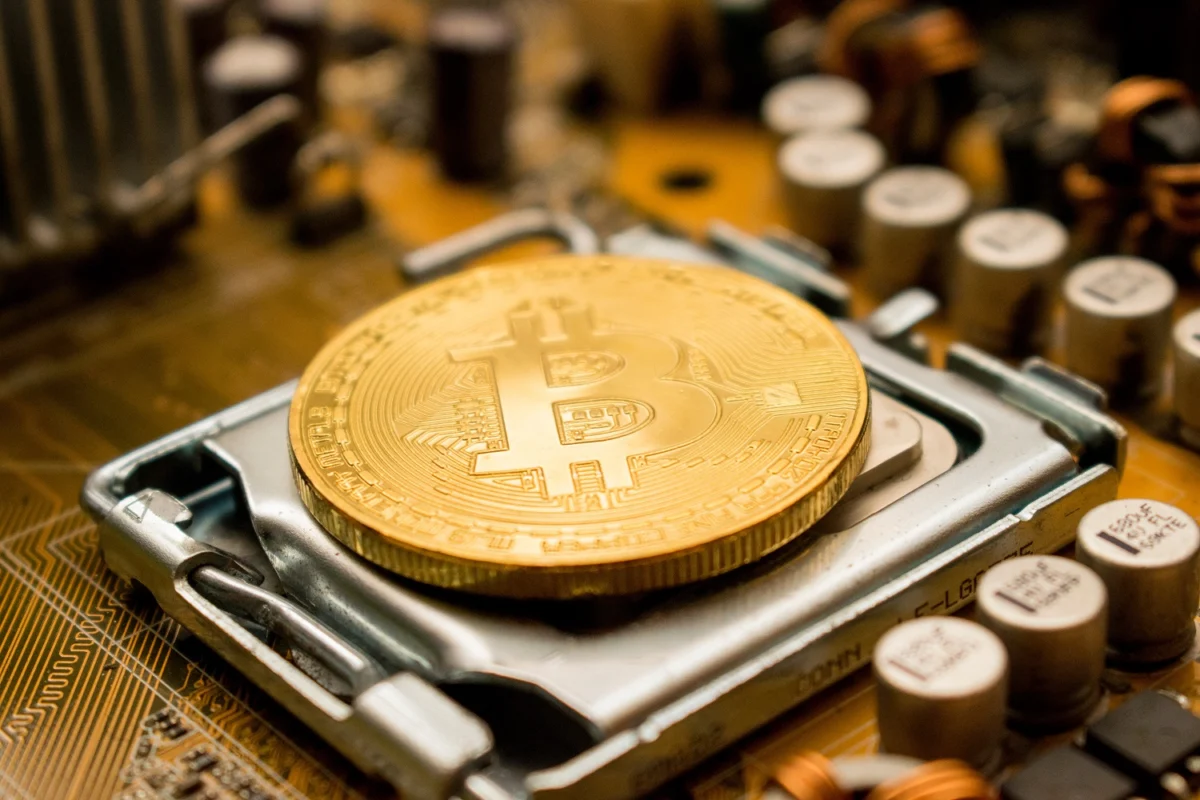
The Russian Association of Crypto Industry and Blockchain (RACIB) has officially launched a strategic initiative designed to transform the Russian Federation into a primary destination for international Bitcoin mining operations. This move comes at a critical juncture in the global digital asset landscape, as the industry undergoes a massive geographical redistribution of computing power. By leveraging its vast energy reserves, favorable climatic conditions, and specialized infrastructure, Russia is positioning itself to capture a significant share of the hash rate that has been displaced by aggressive regulatory shifts in East Asia.
The catalyst for this initiative is the ongoing and systematic crackdown on cryptocurrency mining within the People’s Republic of China. For years, China was the undisputed center of the Bitcoin mining world, at one point hosting over 65% of the global hash rate. However, a series of prohibitive measures—ranging from electricity shutoffs in provinces like Sichuan and Yunnan to outright bans in Inner Mongolia and Anhui—has forced a mass exodus of mining enterprises. This "Great Mining Migration" has left tens of thousands of high-performance Application-Specific Integrated Circuit (ASIC) machines looking for new homes, creating a vacuum that RACIB intends to fill.
Strategic Advantages of the Russian Federation
The Russian Association of Crypto Industry and Blockchain has identified several key pillars that make Russia a competitive alternative to North American and Central Asian mining hubs. Primary among these is Russia’s status as a global energy powerhouse. Currently ranking among the top five countries globally in terms of total electricity production, Russia possesses a robust energy grid built during the Soviet era that now frequently operates below its maximum capacity.
According to RACIB data, many Russian regions experience a significant energy surplus, with some areas reporting a production-to-consumption gap of up to 50%. This excess energy often goes to waste if not utilized, providing a unique opportunity for "interruptible" industrial loads like Bitcoin mining. By integrating mining farms into these surplus zones, grid operators can stabilize the load and generate additional revenue from power that would otherwise be lost.
Furthermore, the geographical and climatic profile of Russia offers a natural advantage for hardware longevity and efficiency. Bitcoin mining is an energy-intensive process that generates immense heat. In warmer climates, operators must invest heavily in industrial cooling systems, which increases both capital expenditure and ongoing electricity costs. Russia’s vast northern territories and Siberian regions offer a cold climate that serves as a natural heatsink. This allows for more cost-effective ambient air cooling, significantly lowering the Power Usage Effectiveness (PUE) ratio of mining data centers.
The Push for Green Mining and ESG Compliance
As the global discourse around Bitcoin increasingly focuses on Environmental, Social, and Governance (ESG) criteria, RACIB is emphasizing the "green" potential of Russian mining. The association points out that approximately 40% of Russia’s power generation is derived from low-carbon or carbon-free sources, including large-scale hydroelectric plants and nuclear power.
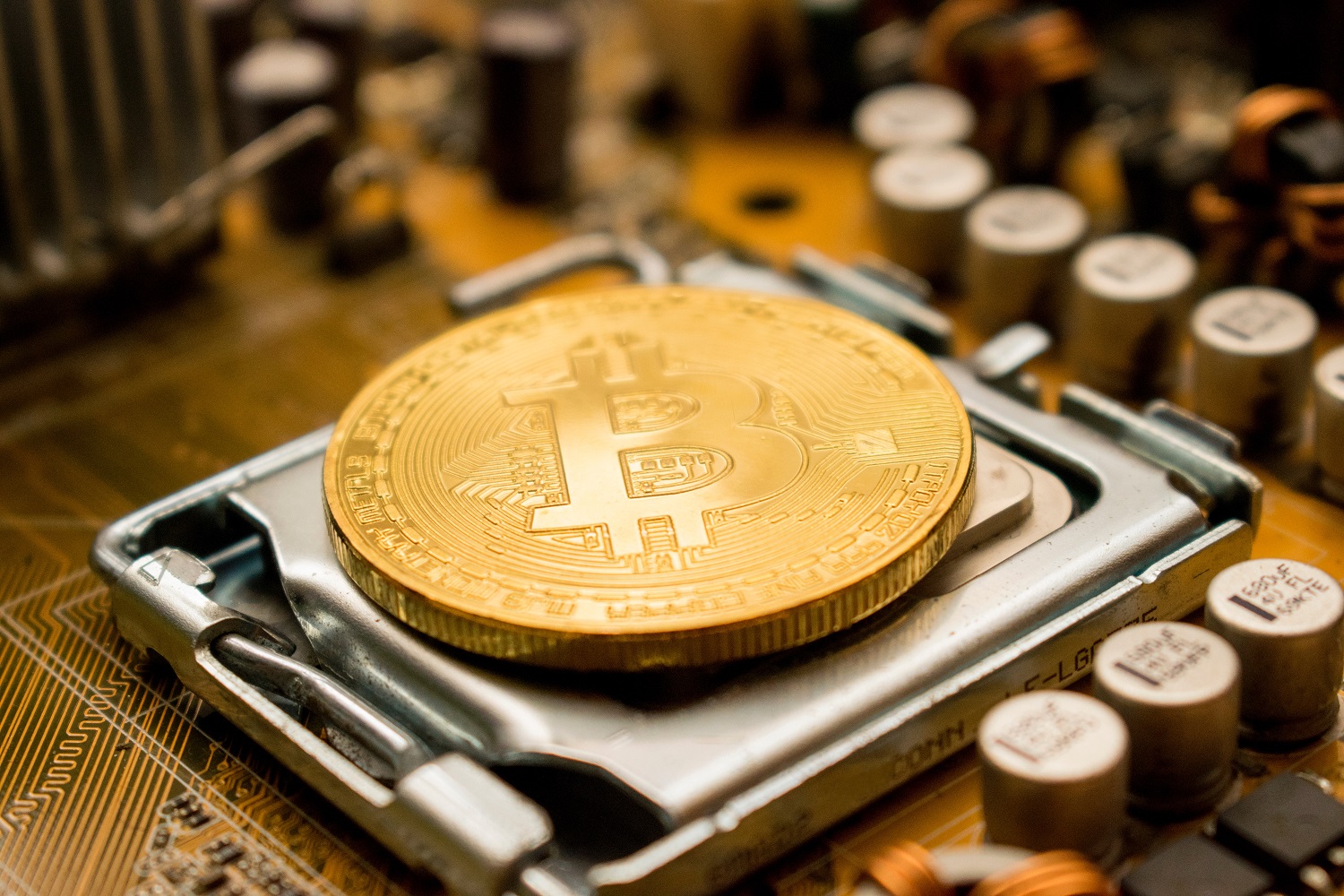
In regions like Irkutsk and Krasnoyarsk, hydroelectric dams provide some of the cheapest and cleanest electricity in the world. By directing foreign mining investments toward these renewable energy hubs, Russia aims to appeal to institutional investors and public companies that are under pressure to ensure their digital asset activities are environmentally sustainable. This transition toward "green" mining is seen as essential for the long-term viability of the industry in the face of global climate targets.
Competition and Regional Dynamics
The Russian initiative is also a response to the rapid rise of neighboring Kazakhstan. Following the Chinese crackdown, Kazakhstan emerged as a primary destination for migrating miners due to its proximity and low-cost coal power. Recent data indicates that Kazakhstan has overtaken Russia in terms of global mining volume, currently ranking third in the world, while Russia has slipped to fourth place.
However, the rapid influx of miners into Kazakhstan has strained the local power grid, leading to talks of potential taxes and energy restrictions. RACIB views this as an opportunity to present Russia as a more stable and technologically advanced alternative. Unlike some neighbors that rely heavily on aging coal-fired plants, Russia’s infrastructure can support larger, more sophisticated data centers with higher reliability.
The Regulatory and Economic Landscape
The success of RACIB’s project depends heavily on the evolving legal framework within Russia. The nation has historically maintained a complex relationship with digital assets. While the "On Digital Financial Assets" (DFA) law, which came into effect in early 2021, provided a baseline for the legal status of cryptocurrencies, it left many questions regarding the specific regulation of mining activities unanswered.
RACIB is actively working with government departments to establish a more transparent regulatory environment. The goal is to classify mining as a legitimate industrial activity, which would allow for clear taxation, specialized electricity tariffs, and legal protections for foreign investors. Proponents of the initiative argue that by formalizing the sector, the Russian government could unlock a new stream of tax revenue and stimulate economic growth in underpopulated regions.
The association’s plan includes the formation of "specialized clusters"—industrial parks specifically designed to house cryptocurrency networks and digital economy infrastructure. These clusters would benefit from the low population density in many parts of the country, making it easier to secure large plots of land for industrial-scale operations without disturbing residential areas.
Market Context and Mining Profitability
The timing of this recruitment drive coincides with a period of high volatility in the cryptocurrency markets. At the time of reporting, Bitcoin (BTC) is trading at approximately $30,700, reflecting a 7% decline over the past week and a 14% drop over the last month. The digital asset has struggled to break out of a consolidation range between $30,000 and $35,000.

While a lower BTC price can squeeze the profit margins of miners, it also serves as a "stress test" for the industry. Miners operating in high-cost environments are forced to shut down, while those with access to ultra-low-cost electricity—such as the rates RACIB is promoting in Russia—remain profitable. The drop in global hash rate following the China ban also resulted in a significant downward adjustment in Bitcoin’s mining difficulty. For the miners who have remained active or have successfully relocated to Russia, this difficulty drop has temporarily increased their share of the daily block rewards, offsetting some of the price depreciation.
Chronology of the Shift
To understand the magnitude of Russia’s current efforts, a brief timeline of the 2021 mining shift is essential:
- May 2021: The Chinese State Council announces a crackdown on Bitcoin mining and trading, citing financial risks and environmental concerns.
- June 2021: Major mining hubs in Xinjiang and Sichuan are ordered to shut down. The global Bitcoin hash rate experiences its largest drop in history.
- July 2021: Shipping companies report record volumes of mining hardware being moved from China to North America, Kazakhstan, and Russia.
- Late July 2021: RACIB announces its project to actively court these displaced miners, highlighting Russia’s 50% energy surplus in specific regions.
Implications for Global Decentralization
From a broader perspective, the migration of miners to Russia and other jurisdictions is viewed by many industry analysts as a positive development for the decentralization of the Bitcoin network. For years, the concentration of mining power in China was a point of criticism and a perceived "single point of failure." By distributing the hash rate across different continents and legal jurisdictions, the network becomes more resilient to the geopolitical whims of any single nation.
If RACIB is successful in its mission, Russia could secure its position as a cornerstone of the global digital economy. The project is not merely about hosting hardware; it is about attracting foreign capital and technological expertise. As large-scale mining operations often require sophisticated maintenance, networking, and software support, the influx of miners could lead to the creation of high-tech jobs and the development of local expertise in blockchain technology.
Conclusion and Future Outlook
The Russian Association of Crypto Industry and Blockchain’s attempt to lure Bitcoin miners represents a strategic play to monetize the country’s natural and industrial resources in the digital age. By offering a combination of surplus energy, cold weather, and a path toward green mining, Russia is presenting a compelling case to an industry in flux.
However, challenges remain. The competition with North American hubs, which offer high levels of regulatory certainty and access to capital markets, is fierce. Additionally, the internal debate within the Russian government—between the pro-innovation Ministry of Finance and the more cautious Central Bank—will be the deciding factor in whether these "specialized clusters" can truly flourish.
As the Bitcoin price continues to test critical support levels, the efficiency of mining operations has never been more important. For the miners currently navigating the post-China landscape, the Russian proposal offers a high-stakes opportunity to reset their operations in one of the most energy-abundant regions on Earth. Whether Russia can successfully convert this potential into a sustainable industrial sector will be a key narrative to watch in the coming years of the digital asset evolution.