


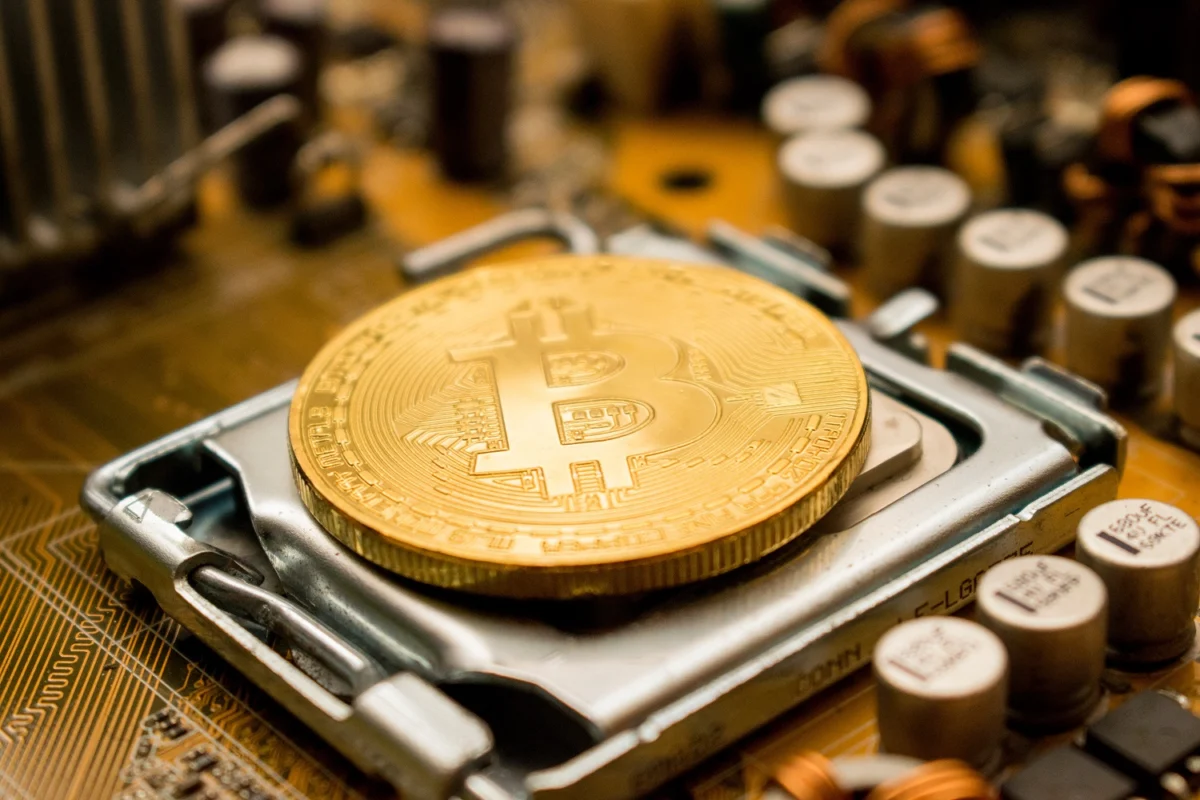
The Russian Association of Crypto Industry and Blockchain (RACIB) has officially launched a strategic initiative designed to transform the Russian Federation into a primary destination for international Bitcoin mining operations. This move comes as the global digital asset landscape undergoes a seismic shift, driven primarily by the ongoing regulatory hostilities in China, which was previously the undisputed leader in global hash rate production. By leveraging its vast energy reserves, favorable climatic conditions, and specialized infrastructure, Russia aims to capture a significant share of the migrating mining hardware and the associated foreign investment.
For over a decade, China served as the epicenter of the Bitcoin mining world, at one point accounting for more than 70% of the network’s total processing power. However, a series of aggressive regulatory maneuvers by Beijing—culminating in provincial-level bans in mining hubs like Anhui, Sichuan, and Inner Mongolia—has forced an unprecedented exodus of miners. This "Great Migration" has left tens of thousands of mining rigs in transit, with operators searching for jurisdictions that offer both regulatory stability and low-cost electricity. RACIB’s latest project is a calculated attempt to signal that Russia is open for business, presenting a suite of advantages that few other nations can match.
The Strategic Advantage: Energy Surplus and Infrastructure
The core of Russia’s appeal lies in its massive energy infrastructure. According to data provided by RACIB, Russia consistently ranks among the top five countries globally in terms of total electricity production. More importantly for the mining industry, the nation possesses a significant surplus of power generation capacity. In certain industrial regions, this surplus can reach as high as 50% of the total capacity. This excess energy often goes wasted or underutilized, making Bitcoin mining an ideal consumer that can stabilize the grid and provide a new revenue stream for state and private energy providers.
The accessibility of traditional fuels, such as natural gas and coal, ensures a steady and cheap supply of power. Unlike many Western nations currently grappling with energy shortages or skyrocketing utility prices, Russia’s domestic energy market remains relatively insulated and highly productive. RACIB’s plan involves directing miners toward "specialized clusters" where the infrastructure is already optimized for high-voltage industrial consumption. These clusters are intended to serve as the backbone of a new digital economy, integrating cryptocurrency networks into the broader Russian industrial complex.
Climate and Geography as Operational Assets
Beyond raw power, the physical environment of Russia offers unique operational efficiencies for large-scale data centers. Cryptocurrency mining is an incredibly heat-intensive process; thousands of Application-Specific Integrated Circuit (ASIC) miners running simultaneously generate massive amounts of thermal energy. In warmer climates, the cost of cooling these machines can account for up to 30% of total operational expenses.
Russia’s vast northern territories and Siberian regions offer a natural solution to this problem. The naturally cold climate reduces the need for expensive air conditioning and liquid cooling systems, allowing operators to rely on ambient air ventilation for much of the year. Furthermore, Russia’s low population density in these regions means that massive mining farms can be constructed with minimal impact on residential areas, avoiding the noise complaints and zoning issues that have plagued mining operations in more densely populated European and American cities.
The Pivot Toward Green Mining and ESG Standards
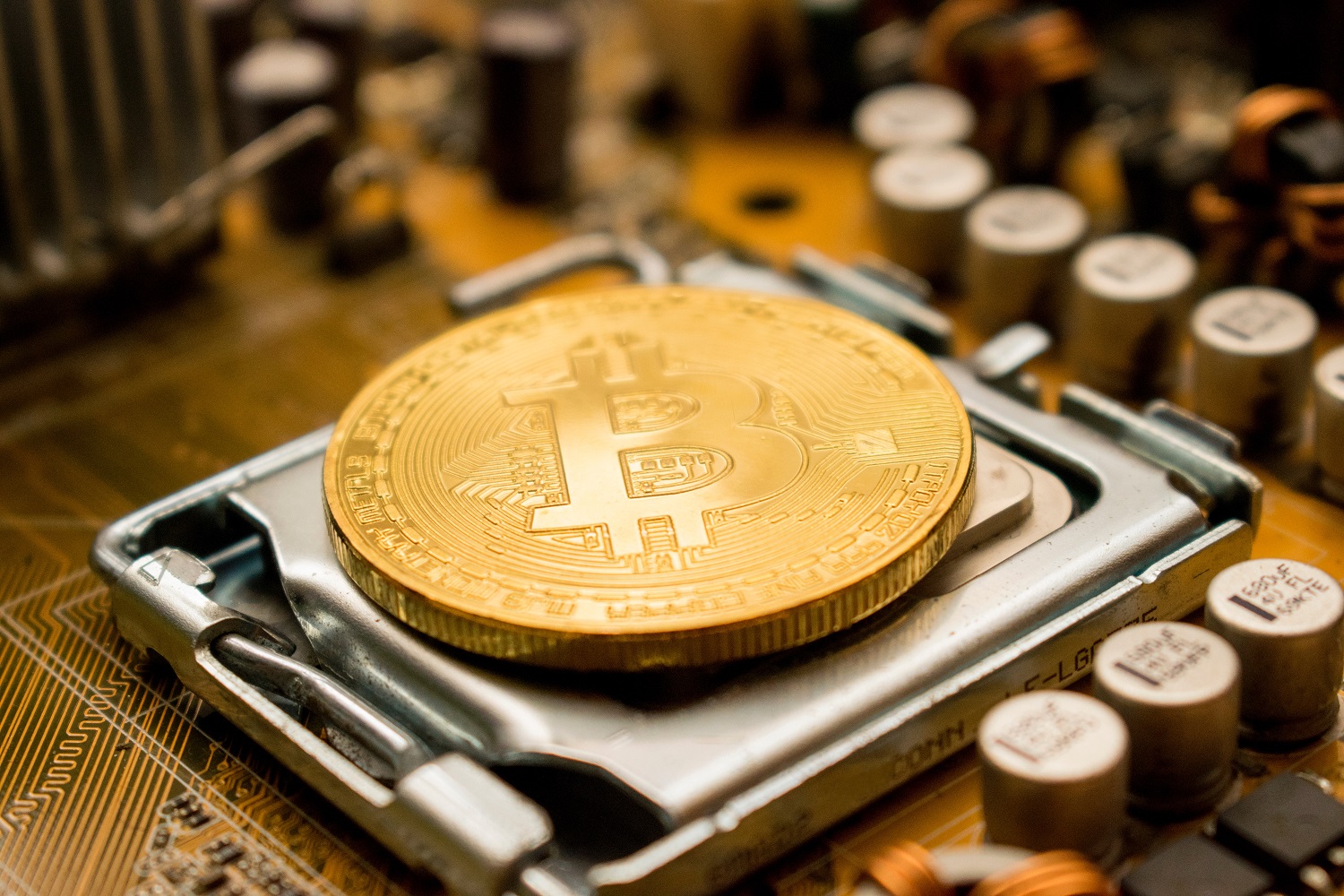
As the global discourse surrounding Bitcoin increasingly focuses on Environmental, Social, and Governance (ESG) criteria, RACIB has been quick to highlight Russia’s "green" credentials. While Russia is often associated with fossil fuels, approximately 40% of the country’s power grid is supplied by eco-friendly sources, including hydroelectric and nuclear power.
The Irkutsk region, for example, has become a hotspot for mining due to its abundance of cheap hydroelectric power generated by dams along the Angara River. By positioning Russian mining as a "green" alternative to the coal-heavy operations previously seen in China, RACIB hopes to attract institutional investors who are under pressure to meet strict carbon-neutral targets. The organization notes that the formation of specialized clusters will facilitate the best conditions for the global digital economy while supporting the sustainability of global cryptocurrency networks.
A Chronology of the Global Hash Rate Shift
The current Russian initiative must be viewed within the context of a rapidly evolving global timeline. In early 2021, China began its systematic dismantling of the domestic mining industry, citing concerns over energy consumption and financial stability. By May and June of that year, major mining provinces had issued shutdown orders, leading to a temporary but dramatic drop in the Bitcoin network’s total hash rate.
During this period of volatility, Russia’s neighbors also moved to capitalize on the vacuum. Kazakhstan, in particular, saw a massive influx of Chinese hardware, briefly overtaking Russia in terms of mining volume. Recent data suggests that Kazakhstan climbed to the third-highest position in global crypto mining volume, pushing Russia down to fourth. RACIB’s new project is widely seen as a competitive response to this loss of market share, intended to reclaim Russia’s status as a top-three mining superpower.
The timeline of this migration has seen hardware flowing into North America (specifically Texas and Wyoming), Central Asia, and Eastern Europe. Russia’s entry into this "bidding war" for miners represents a significant moment in the decentralization of the Bitcoin network, as the hash rate becomes more geographically distributed across the globe.
Market Context: Bitcoin’s Price Consolidation
The launch of the RACIB project coincides with a period of intense price consolidation for Bitcoin. At the time of the announcement, Bitcoin (BTC) has been trading in a stubborn range between $30,000 and $35,000. On a weekly basis, the asset has seen a decline of approximately 7%, with a 14% drop over the past month. This price action is critical for miners, as the profitability of their operations is directly tied to the market value of the coins they earn versus the cost of the electricity they consume.
When Bitcoin trades near the $30,000 support level, the "break-even" point for many older mining rigs becomes dangerously close. This makes the search for ultra-low-cost electricity—such as that found in Russia’s surplus regions—even more urgent. If the price continues to face resistance at $35,000, only the most efficient operations in the most favorable jurisdictions will remain profitable. RACIB’s pitch is designed to appeal to these operators who need to maximize their margins during bearish or sideways market cycles.

Implications for the Russian Economy and Global Regulation
The broader implications of Russia’s pro-mining stance are multifaceted. Domestically, the influx of foreign mining firms could lead to significant capital investment in regional infrastructure. It also provides a pathway for Russia to modernize its digital economy, fostering a workforce skilled in blockchain technology and high-performance computing.
On the international stage, Russia’s embrace of mining could complicate the regulatory narrative. While some nations have looked toward prohibition, Russia’s pragmatic approach suggests a desire to integrate the technology into the national economic framework. This could influence how other BRICS nations (Brazil, India, China, and South Africa) view digital assets, potentially creating a bloc of countries that see crypto mining as a strategic industrial asset rather than a regulatory nuisance.
However, challenges remain. The Russian government has historically sent mixed signals regarding the legality of cryptocurrency transactions. While mining is increasingly viewed as a legitimate industrial activity, the use of crypto for payments remains a contentious issue in Moscow. RACIB’s role will be to bridge the gap between the private mining sector and government regulators, ensuring that the legal framework remains conducive to long-term investment.
Conclusion: The Future of the Russian Digital Frontier
The Russian Association of Crypto Industry and Blockchain is betting on the fact that the "China exit" is not a temporary fluke but a permanent realignment of the digital asset world. By offering a combination of surplus energy, Arctic cooling, and a significant percentage of renewable power, Russia is positioning itself as a stable and profitable alternative to the volatility of other jurisdictions.
As the Bitcoin network continues to recover its hash rate and miners find new homes, the success of the RACIB initiative will be measured by the volume of hardware that crosses the Russian border in the coming months. If the organization can successfully navigate the complexities of international sanctions and domestic regulation, Russia may well find itself at the very heart of the global digital financial system, powered by the vast, untapped energy of its Siberian heartland. For now, the crypto world watches as the $30,000 price floor tests the resolve of investors, and the Great Migration continues to redraw the map of the digital frontier.














