


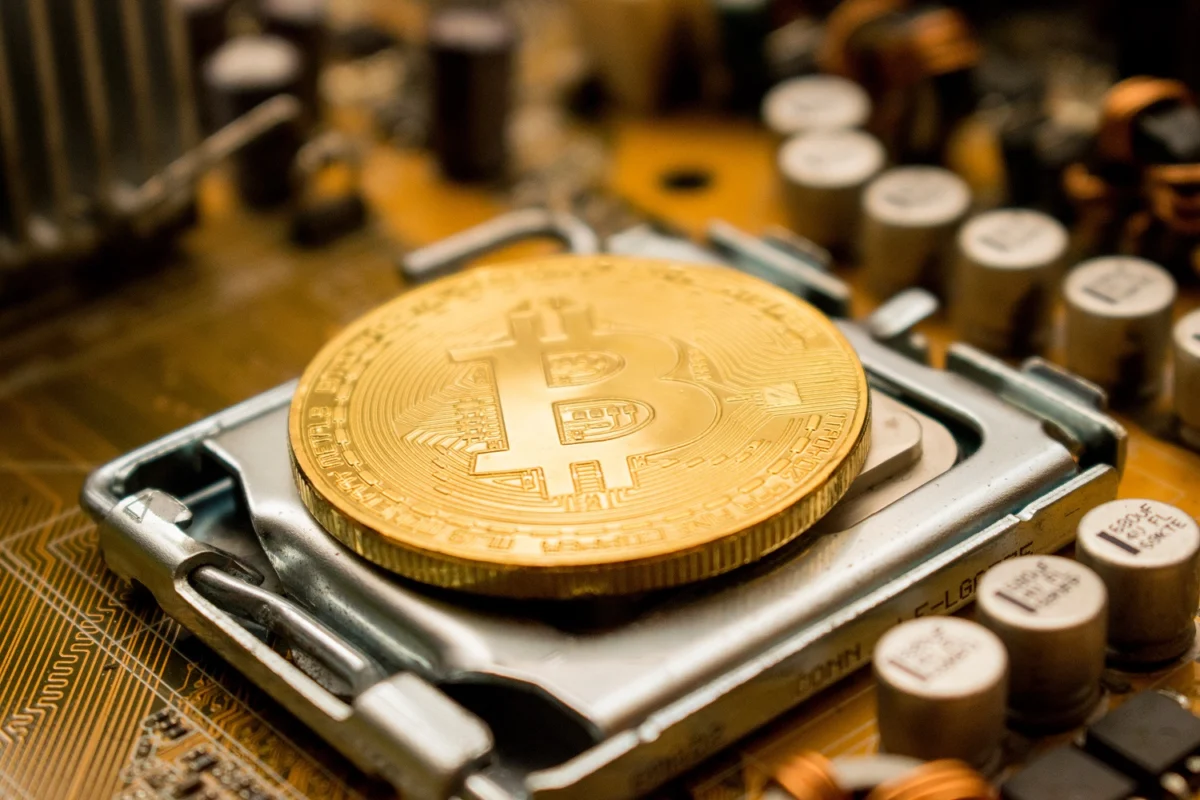
The Russian Association of Crypto Industry and Blockchain (RACIB) has officially launched a comprehensive strategic initiative designed to transform the Russian Federation into the world’s premier destination for cryptocurrency mining. This move comes as the global digital asset landscape undergoes a seismic shift, primarily driven by the aggressive regulatory crackdown in China, which has forced thousands of mining enterprises to seek new territories for their energy-intensive operations. By highlighting Russia’s vast energy surpluses, favorable climatic conditions, and existing industrial infrastructure, RACIB aims to capture a significant portion of the migrating hash rate, positioning the nation as a central pillar of the global digital economy.
The Catalyst: The Great Mining Migration from China
For years, China served as the undisputed epicenter of the Bitcoin mining world, at one point controlling over 65% of the global hash rate. However, a series of escalating prohibitions culminated in a decisive mandate from the Chinese State Council in mid-2021, which effectively banned cryptocurrency mining and trading nationwide. The move was prompted by concerns over financial stability and the environmental impact of coal-heavy mining operations in regions like Inner Mongolia and Xinjiang.
This regulatory pivot triggered what industry analysts have termed the "Great Mining Migration." As Chinese authorities shuttered massive mining farms, hundreds of thousands of Application-Specific Integrated Circuit (ASIC) machines were unplugged, leading to a temporary but significant drop in the total Bitcoin network hash rate. Miners began a frantic search for jurisdictions that could offer three critical components: cheap electricity, regulatory clarity, and physical security. While North America and Central Asia emerged as early contenders, the Russian crypto industry is now making a concerted effort to demonstrate why Russia may be the most logical successor to China’s former dominance.
Russia’s Competitive Advantages: Energy and Infrastructure
The core of RACIB’s pitch to international investors and displaced miners centers on Russia’s unique energy profile. Russia consistently ranks among the top five global producers of electricity, benefiting from a massive network of power plants established during the Soviet era. Crucially, the country possesses a significant surplus of generating capacity. In certain administrative regions, the energy surplus exceeds 50%, meaning the local grids are producing far more power than the resident population and existing industries can consume.
This surplus is not merely a byproduct of overproduction but a structural feature of the Russian energy sector. Because electricity is difficult to store at scale, mining operations provide a unique solution for "demand response," consuming excess power that would otherwise go to waste. RACIB argues that by integrating mining clusters into these high-surplus regions, Russia can monetize its unused energy resources while providing miners with some of the lowest electricity rates in the world.
Furthermore, Russia’s geographic and demographic characteristics offer logistical benefits that few other nations can match. The country’s low population density in regions like Siberia and the Far East allows for the establishment of massive, industrial-scale mining farms without infringing on residential zones. The cold climate in these northern latitudes serves as a natural coolant for high-performance hardware. Since the cooling of mining rigs accounts for a substantial portion of operational costs, Russia’s sub-zero temperatures for much of the year provide an inherent "thermal subsidy," drastically reducing the overhead for mining firms compared to hotter climates like Texas or Kazakhstan.
The "Green" Path: Leveraging Hydro and Nuclear Power
Environmental, Social, and Governance (ESG) concerns have become a central theme in the cryptocurrency discourse, particularly following criticisms of Bitcoin’s carbon footprint. RACIB is addressing this head-on by highlighting Russia’s "green" energy credentials. Approximately 40% of the country’s power is derived from eco-friendly sources, including hydroelectric and nuclear energy.
Regions such as Irkutsk and Bratsk are home to some of the world’s largest hydroelectric dams. These facilities provide consistent, renewable baseload power at highly competitive prices. By directing miners toward these specific energy hubs, RACIB intends to foster a "green mining" ecosystem that can withstand the scrutiny of international regulators and institutional investors. The association’s plan involves the creation of specialized "digital clusters"—dedicated zones where infrastructure is optimized for blockchain technologies and supported by clean energy grids.
A Shifting Hierarchy: The Rivalry with Kazakhstan
The urgency of RACIB’s project is underscored by the rapid rise of neighboring Kazakhstan. Following the Chinese ban, Kazakhstan saw an immediate influx of miners due to its proximity to China and its abundance of cheap, coal-fired power. Recent data from the Cambridge Bitcoin Electricity Consumption Index (CBECI) indicated that Kazakhstan had overtaken Russia in terms of global hash rate share, climbing to the third position worldwide, while Russia slipped to fourth.
However, Kazakhstan’s rapid ascent has not been without challenges. The sudden surge in demand placed immense strain on the Kazakh national grid, leading to power shortages, mandatory rationing, and eventual tax hikes on mining activities. RACIB believes that Russia offers a more stable and technologically advanced alternative. Unlike the coal-heavy reliance of the Kazakh grid, Russia’s diversified energy mix and more robust infrastructure are being marketed as a safer long-term bet for large-scale industrial miners who require 99.9% uptime.
Regulatory Landscape and Official Responses
The success of RACIB’s initiative depends heavily on the legislative environment within Russia. The legal status of cryptocurrency has been a subject of intense debate between different branches of the Russian government. In early 2021, the "On Digital Financial Assets" (DFA) law came into effect, providing a basic legal framework for digital currencies but leaving many specifics regarding mining and taxation in a "gray zone."
The Bank of Russia has historically maintained a skeptical stance, often citing risks to the traditional financial system and advocating for a total ban on mining and trading. Conversely, the Ministry of Finance and the Ministry of Economic Development have expressed a preference for regulation and taxation over prohibition. They argue that by legalizing and monitoring the sector, the state can generate significant tax revenue and attract foreign direct investment.
RACIB’s new project acts as a bridge between the industry and the state, advocating for a regulatory framework that protects investors while ensuring that mining activities contribute to the national economy. Industry insiders suggest that the Russian government is increasingly viewing crypto mining as a way to diversify the economy away from a pure reliance on oil and gas exports.

Market Context: Bitcoin’s Price and Network Stability
The RACIB announcement comes at a time of high volatility for the underlying asset. At the time of the association’s push, Bitcoin (BTC) has been trading in a consolidated range, struggling to maintain momentum above the $30,000 to $35,000 support levels. The price has seen a 7% decline over the past week and a 14% drop over the month, reflecting broader market uncertainty.
Despite the price stagnation, the migration of miners to countries like Russia is seen as a positive development for the long-term health of the network. A more geographically distributed hash rate reduces the "single point of failure" risk that was present when mining was concentrated in China. If Russia successfully attracts a significant portion of global miners, it will contribute to the decentralization and security of the Bitcoin protocol, regardless of short-term price fluctuations.
Implications and Future Outlook
The initiative by the Russian Association of Crypto Industry and Blockchain represents a pivotal moment in the global competition for digital infrastructure. If successful, the project could lead to:
- Economic Diversification: High-tech mining clusters could stimulate local economies in remote Russian regions, creating jobs in IT, electrical engineering, and construction.
- Increased Foreign Investment: By providing a stable environment for "displaced" capital from China and elsewhere, Russia could see a surge in foreign direct investment (FDI) directed toward its energy and technology sectors.
- Geopolitical Influence: As Bitcoin continues to gain traction as a global reserve asset or a hedge against inflation, hosting a significant portion of the network’s processing power grants a nation a degree of influence over the digital financial rails of the future.
However, challenges remain. The industry must navigate the complex web of international sanctions and the internal policy tug-of-war within the Kremlin. Furthermore, as other nations like the United States (specifically states like Texas and Wyoming) aggressively court miners with their own incentives, the global race for the hash rate is only intensifying.
RACIB’s project is a clear signal that Russia no longer views cryptocurrency as a fringe experiment but as a strategic industrial opportunity. By leveraging its natural advantages—cold air, cheap water, and surplus power—Russia is making a high-stakes bid to become the new "engine room" of the global crypto economy. As the dust settles on the Chinese crackdown, the global mining map is being redrawn, and Moscow is positioning itself to be the new capital of the digital frontier.














