


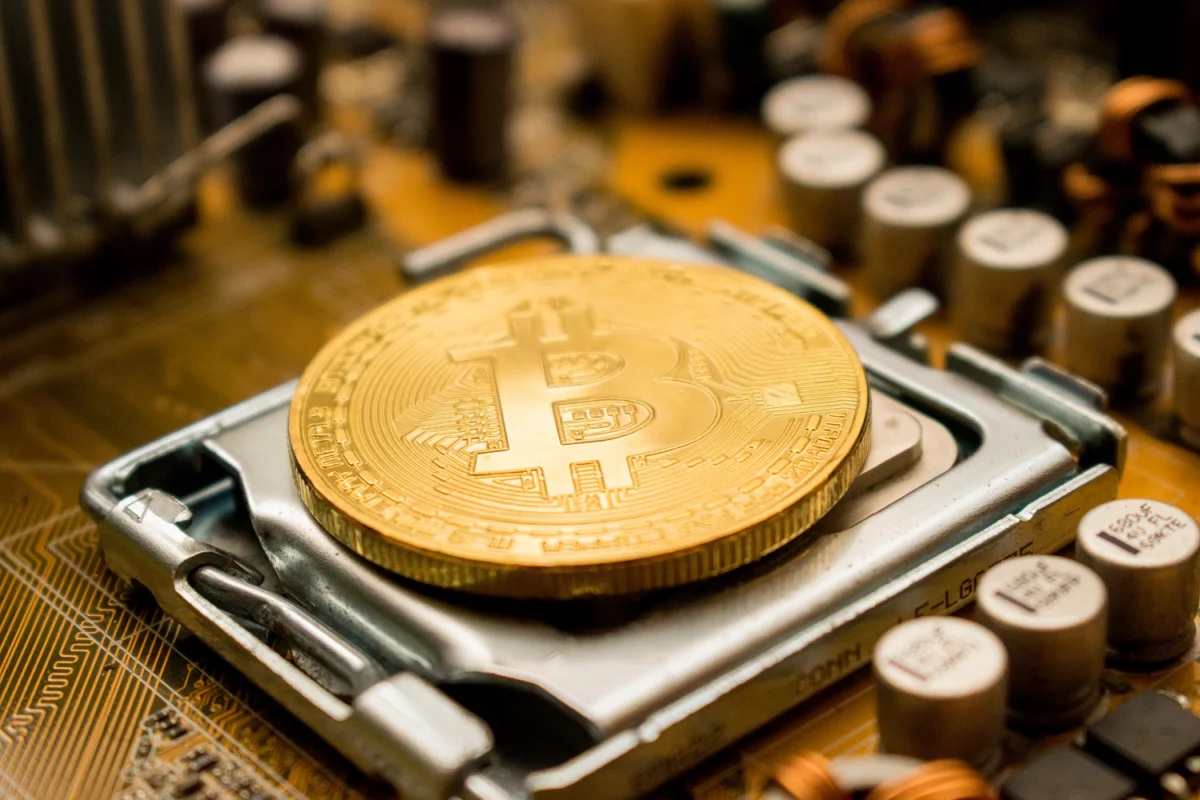
The Russian Association of Crypto Industry and Blockchain (RACIB) has officially launched a comprehensive strategic initiative designed to transform the Russian Federation into a premier destination for international Bitcoin mining operations. This move comes at a critical juncture for the global cryptocurrency ecosystem, as the industry undergoes a massive geographical redistribution of its computational power. By leveraging its vast energy reserves, favorable climatic conditions, and existing industrial infrastructure, Russia is making a calculated play to capture the market share vacated by other jurisdictions and to compete directly with emerging mining powerhouses in Central Asia and North America.
The initiative represents a formal effort to institutionalize the mining sector within the Russian economy. RACIB, which serves as a bridge between the private crypto sector and government regulators, intends to facilitate the entry of foreign capital and large-scale mining enterprises into the country. This project is not merely a response to market trends but a proactive attempt to utilize Russia’s systemic advantages to secure a leading position in the global digital economy.
The Great Migration: Contextualizing the Global Mining Shift
The impetus for Russia’s renewed interest in attracting miners is rooted in the "Great Migration" of the cryptocurrency industry. For years, China served as the undisputed epicenter of Bitcoin mining, at one point controlling over 65% of the global hash rate. However, a series of escalating regulatory crackdowns by the Chinese government, culminating in a total ban on mining activities in mid-2021, forced thousands of enterprises to liquidate their holdings or relocate their hardware.
This exodus created a vacuum in the global market, sending miners on a desperate search for jurisdictions that offer three essential components: low-cost electricity, regulatory stability, and suitable infrastructure. While many larger firms migrated to the United States—specifically to energy-rich states like Texas and Wyoming—and others moved to neighboring Kazakhstan, a significant portion of the industry remained in search of a permanent home. RACIB’s latest project is specifically tailored to appeal to these displaced entities, presenting Russia as a stable and resource-abundant alternative.
Russia’s Competitive Advantages: Energy and Climate
According to RACIB, Russia possesses a unique combination of factors that make it an ideal sanctuary for high-intensity computational tasks. Chief among these is the nation’s energy profile. Russia consistently ranks among the top five electricity producers globally, benefiting from a diversified grid that includes massive hydroelectric plants, nuclear facilities, and extensive natural gas reserves.
A critical factor highlighted by the association is Russia’s significant energy surplus. Many industrial regions in the country produce far more electricity than they consume, with some provincial grids reporting a surplus of up to 50%. In the world of Bitcoin mining, where electricity often accounts for over 90% of operational costs, this surplus translates into highly competitive power purchasing agreements (PPAs). By utilizing "stranded" or excess energy that would otherwise go to waste, miners can achieve lower overheads while providing a consistent revenue stream to local utility providers.
Furthermore, Russia’s geography offers a natural solution to one of mining’s greatest technical challenges: heat dissipation. Bitcoin mining rigs, particularly Application-Specific Integrated Circuits (ASICs), generate immense amounts of thermal energy. In warmer climates, operators must invest heavily in sophisticated cooling systems and high-powered fans, which further inflate electricity consumption. In the vast northern and Siberian regions of Russia, the naturally cold climate provides "free" ambient cooling for a significant portion of the year. This geographical advantage significantly reduces capital expenditure on HVAC infrastructure and improves the overall Energy Effectiveness Ratio (EER) of mining farms.
The Environmental, Social, and Governance (ESG) Perspective
In recent years, the environmental impact of Bitcoin mining has become a focal point for institutional investors and global regulators. The industry has faced criticism for its perceived reliance on fossil fuels. RACIB is addressing these concerns by highlighting the "green" potential of Russian mining.
Approximately 40% of Russia’s total power generation is derived from carbon-neutral sources, including hydroelectricity and nuclear power. In regions like Siberia, where hydroelectric dams provide the bulk of the power supply, mining operations can achieve a remarkably low carbon footprint. By positioning Russia as a "green" mining destination, RACIB aims to attract institutional-grade miners who are under pressure to meet strict ESG mandates. The association argues that the development of specialized "mining clusters" near hydroelectric stations can create a symbiotic relationship between the digital economy and renewable energy infrastructure.
The Regional Rivalry: Chasing Kazakhstan
The urgency of RACIB’s project is also fueled by regional competition. For a brief period following the Chinese crackdown, Russia held a commanding position as the world’s third-largest contributor to the Bitcoin hash rate. However, recent data indicates that Kazakhstan has overtaken its neighbor to claim that spot.
Kazakhstan’s rise was driven by its proximity to China and its initially welcoming regulatory stance. However, the sudden influx of miners into Kazakhstan led to severe strain on the national power grid, resulting in energy rationing and civil unrest. This instability in Kazakhstan has provided Russia with a strategic window of opportunity. By emphasizing its more robust and resilient national power grid, RACIB is signaling to the global community that Russia can offer the long-term reliability that Kazakhstan currently struggles to maintain.
Regulatory Landscape and Institutional Support
The success of RACIB’s initiative depends heavily on the evolving regulatory framework within the Russian Federation. Historically, the Russian government’s stance on cryptocurrency has been a subject of internal debate. The Central Bank of Russia has frequently expressed skepticism, citing concerns over financial stability and the potential for illicit use. Conversely, the Ministry of Finance and the Ministry of Energy have taken a more pragmatic approach, viewing mining as a legitimate industrial activity that can generate tax revenue and utilize excess energy.
The 2021 law "On Digital Financial Assets" provided a foundational legal structure, but many specifics regarding the taxation and operational requirements of mining farms remain in development. RACIB is actively lobbying for a regulatory environment that treats mining as a form of "high-tech entrepreneurship" rather than a purely financial activity. By establishing clear "clusters" and specialized economic zones for miners, the association hopes to provide the legal certainty that large-scale foreign investors require.

Economic and Infrastructure Implications
Beyond the immediate goal of attracting miners, RACIB’s project has broader implications for the Russian economy. The establishment of large-scale mining operations requires significant investment in local infrastructure, including high-voltage transformers, data centers, and telecommunications. This investment can revitalize underpopulated or declining industrial regions, creating jobs in technical maintenance, security, and facility management.
The move also aligns with Russia’s broader "digitalization" goals. The infrastructure built for Bitcoin mining is largely interchangeable with that required for high-performance computing (HPC) and artificial intelligence (AI) training. By building out a network of robust data centers today, Russia is effectively laying the groundwork for future advancements in various sectors of the fourth industrial revolution.
Market Context: Bitcoin’s Price Action and Mining Profitability
The launch of this initiative comes at a time of heightened volatility and consolidation in the cryptocurrency markets. As of the latest reporting, Bitcoin (BTC) is trading in the vicinity of $30,700, reflecting a 7% decline over a seven-day period and a 14% drop over the last month. The asset has struggled to break out of a consolidation range between $30,000 and $35,000, leading to a period of uncertainty for many market participants.
For miners, price volatility is a double-edged sword. While a lower BTC price reduces the immediate dollar value of the rewards earned, it also tends to force less efficient operators out of the market. This "difficulty adjustment" can make mining more profitable for those with the lowest operational costs. By moving to Russia, where costs are minimized through cheap energy and natural cooling, miners can ensure their survival during "crypto winters" or periods of extended price suppression.
The current market trend suggests that the industry is moving away from speculative, small-scale operations toward industrialized, high-efficiency models. RACIB’s project is perfectly aligned with this professionalization of the sector. As the Bitcoin network continues to mature, the location of mining hardware will increasingly be determined by cold, hard economics—specifically, the cost per kilowatt-hour and the stability of the local grid.
Conclusion and Future Outlook
The Russian Association of Crypto Industry and Blockchain’s project to attract international miners marks a significant moment in the evolution of the global crypto landscape. By highlighting Russia’s energy surplus, favorable climate, and significant percentage of green energy, the association is presenting a compelling case for the nation as the next great frontier for digital asset production.
While challenges remain—particularly regarding the finalization of a cohesive national regulatory framework—the economic incentives are clear. If successful, this initiative could see Russia reclaim its position as a top-three global mining hub, bringing in billions of dollars in foreign investment and solidifying its role in the global digital economy. As the industry watches the ongoing fluctuations in Bitcoin’s price and the tightening of regulations in other jurisdictions, Russia’s bid for mining dominance represents a strategic pivot that could redefine the geography of the blockchain world for years to come.














