


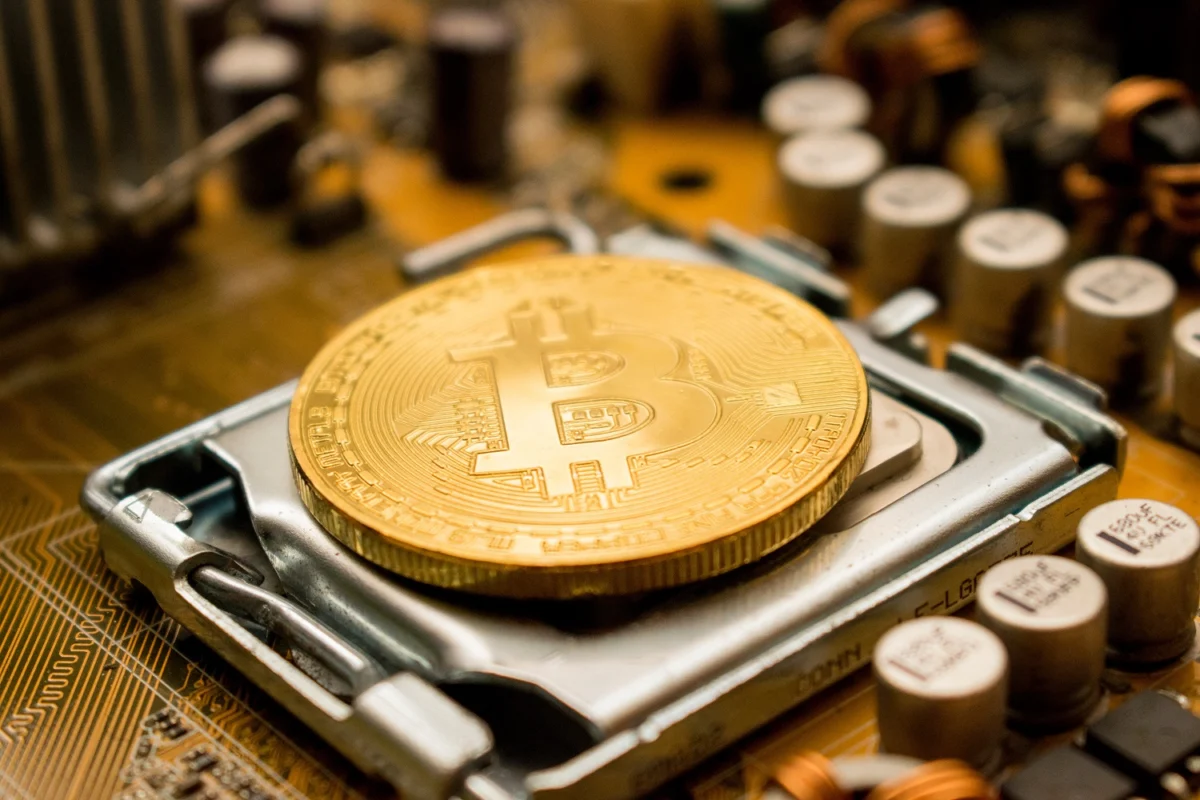
The Russian Association of Crypto Industry and Blockchain (RACIB) has officially launched a comprehensive strategic initiative designed to transform the Russian Federation into a premier destination for international Bitcoin mining operations. This move comes at a pivotal moment in the evolution of the global digital asset landscape, as the industry continues to reel from the systematic dismantling of the mining sector in China. By leveraging its vast natural resources, surplus energy capacity, and favorable climatic conditions, Russia is positioning itself to capture a significant portion of the "hash rate" that was displaced during the Great Mining Migration of 2021.
The initiative spearheaded by RACIB is not merely a marketing campaign but a structured project aimed at facilitating the entry of foreign capital and mining enterprises into the Russian market. The association has identified a unique window of opportunity created by the Chinese government’s aggressive crackdown on cryptocurrency activities, which forced thousands of miners to seek new homes for their high-powered hardware. As these miners scout the globe for jurisdictions that offer both regulatory clarity and low-cost electricity, RACIB intends to present Russia as the most viable and sustainable long-term alternative.
The Geopolitical Shift in Mining Power
For years, China served as the undisputed epicenter of the Bitcoin mining world, at one point controlling over 65% of the global network’s computing power. However, a series of regulatory prohibitions—culminating in the total ban of mining activities in provinces like Anhui, Sichuan, and Inner Mongolia—has fundamentally altered the industry’s geography. This exodus has triggered a competitive race among nations to attract the displaced infrastructure. While North America and Central Asia initially absorbed much of this capacity, Russia is now making a concerted effort to reclaim its standing in the global hierarchy.
The urgency of RACIB’s project is highlighted by recent shifts in the global hash rate rankings. Following the Chinese crackdown, Kazakhstan emerged as a primary beneficiary, rapidly ascending to the third-largest mining hub in the world. This surge pushed Russia down to the fourth position. RACIB’s new strategy is designed to reverse this trend, reclaiming Russia’s competitive edge by highlighting the inherent structural advantages that its neighbors may lack, such as superior grid stability and more sophisticated energy infrastructure.
Russia’s Strategic Advantages: Energy and Climate
The primary draw for any industrial-scale mining operation is the availability of cheap, consistent, and abundant electricity. Russia is uniquely positioned in this regard, currently ranking among the top five countries globally in terms of total electricity production. Unlike many nations struggling with energy deficits, Russia possesses a massive surplus of power generation capacity. According to data provided by RACIB, certain regions within the country maintain an energy surplus as high as 50%. This excess capacity is a byproduct of the Soviet-era industrial design, which built massive power plants to support heavy industries that have since scaled back, leaving a robust grid ready for new, energy-intensive consumers like data centers and mining farms.
Beyond the sheer volume of energy, the cost of production remains a significant advantage. Russia’s reliance on traditional fossil fuels, coupled with its massive hydroelectric and nuclear sectors, allows for some of the lowest electricity tariffs in the world. For Bitcoin miners, whose profit margins are dictated by the "cost per kilowatt-hour," these rates are a decisive factor.
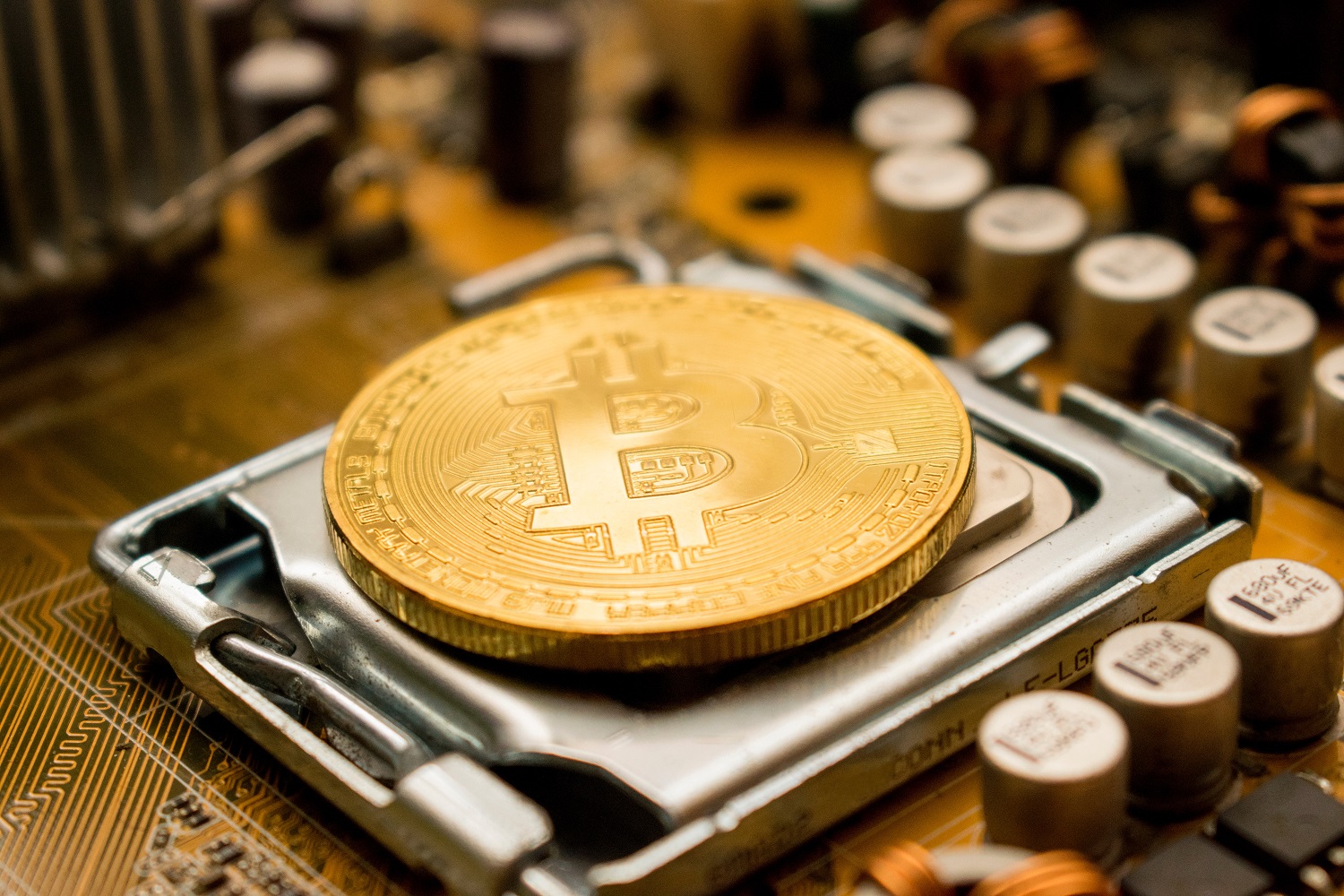
Furthermore, Russia’s geography provides a natural solution to one of the most significant operational challenges in mining: heat management. Bitcoin mining rigs, particularly the latest generation of Application-Specific Integrated Circuits (ASICs), generate immense amounts of heat. In warmer climates, the cost of industrial cooling systems can consume a substantial portion of a farm’s revenue. Russia’s naturally cold climate, particularly in regions like Siberia and the Urals, allows for "free cooling," where ambient air can be utilized to maintain optimal hardware temperatures. This environmental factor significantly lowers the overhead costs for large-scale operations.
The Push for Green Mining and ESG Compliance
As the global discourse surrounding Bitcoin increasingly focuses on Environmental, Social, and Governance (ESG) criteria, RACIB is emphasizing Russia’s "green" energy credentials. The association notes that approximately 40% of Russia’s power grid is supplied by eco-friendly sources, primarily hydroelectric and nuclear power.
Regions such as Irkutsk and Bratsk have already become informal mining capitals due to their proximity to massive hydroelectric dams. These facilities provide renewable energy at scale, allowing miners to operate with a carbon footprint significantly lower than those relying on coal-fired plants in other jurisdictions. By framing Russian mining as a sustainable enterprise, RACIB aims to attract institutional investors and public companies that are under pressure to meet strict environmental standards.
Infrastructure and Low Population Density
Another critical component of the RACIB proposal is the availability of land and existing industrial infrastructure. Russia’s vast territory and low population density in resource-rich regions make it an ideal location for setting up expansive "mining clusters." These are specialized industrial zones equipped with the high-voltage transformers and fiber-optic connectivity required for modern digital asset production.
RACIB’s project involves collaborating with local authorities and energy providers to streamline the process of setting up these clusters. By creating "turnkey" solutions for foreign investors, the association hopes to bypass the bureaucratic hurdles that often stymie large-scale infrastructure projects. This includes providing legal support and ensuring that mining operations are integrated into the national energy complex in a way that benefits the local economy through taxes and job creation.
The Regulatory Landscape and Official Responses
The success of RACIB’s initiative depends heavily on the evolving regulatory framework within Russia. For years, the Russian government has maintained a complex relationship with the crypto industry. The Central Bank of Russia has historically taken a cautious, often adversarial stance, citing concerns over financial stability and the potential for money laundering. In contrast, the Ministry of Finance and the Ministry of Economic Development have shown a greater inclination toward regulating and taxing the industry to harness its economic potential.
The RACIB project reflects a growing consensus among Russian economic stakeholders that crypto mining should be treated as a legitimate industrial activity rather than a fringe financial experiment. By categorizing mining as a form of "energy export" or a specialized data processing service, the Russian government could create a tax regime that generates significant revenue for the state while providing the legal certainty that large-scale foreign investors require.

Industry experts suggest that if Russia can provide a stable legal environment, it could easily absorb the lion’s share of the global hash rate. The contrast with Kazakhstan is particularly sharp; while Kazakhstan was quick to welcome miners, it has recently faced challenges including energy shortages, internet shutdowns during civil unrest, and the introduction of new mining taxes. Russia’s more robust national grid and more predictable (albeit slow) legislative process may offer the "safe harbor" that the industry is currently seeking.
Market Context: Bitcoin’s Price Volatility and Hash Rate Recovery
The timing of this announcement coincides with a period of consolidation in the cryptocurrency markets. At the time of the initiative’s launch, Bitcoin (BTC) has been trading in a volatile range, recently floating around the $30,700 mark. The asset has seen a 7% decline over a weekly period and a 14% drop over the month, struggling to break through resistance levels at $35,000.
While price fluctuations often dominate the headlines, the underlying health of the Bitcoin network is measured by its hash rate—the total computational power dedicated to securing the blockchain. The recovery of the hash rate following the China ban has been surprisingly resilient. As miners relocate and deploy newer, more efficient hardware, the network is becoming more decentralized. RACIB’s project is a direct contribution to this decentralization, ensuring that the power to secure the world’s largest cryptocurrency is distributed across a wider geographic and political spectrum.
Broader Implications for the Global Digital Economy
The migration of Bitcoin mining to Russia carries significant implications for the global digital economy. Firstly, it signals the end of the era of Chinese dominance and the beginning of a more fragmented, yet geographically diverse, mining landscape. This diversity is generally viewed as a positive development for the security and censorship-resistance of the Bitcoin network.
Secondly, for Russia, the successful execution of RACIB’s plan could catalyze the development of a broader high-tech ecosystem. The infrastructure required for mining—high-speed internet, advanced cooling, and specialized power engineering—is the same infrastructure needed for AI research, big data processing, and cloud computing. By attracting miners today, Russia is effectively subsidizing the build-out of the data centers of tomorrow.
As the "Project to Attract Miners" moves forward, the global community will be watching closely to see how the Russian government balances the need for control with the desire for economic growth. If RACIB can successfully bridge the gap between foreign investors and the Russian energy sector, the nation may well become the new backbone of the global digital asset infrastructure. The transition from a resource-based economy to one that also exports computational power represents a significant strategic pivot, one that could redefine Russia’s role in the 21st-century financial system.














