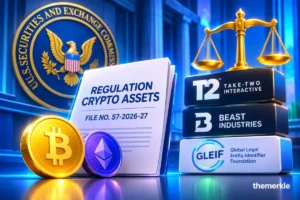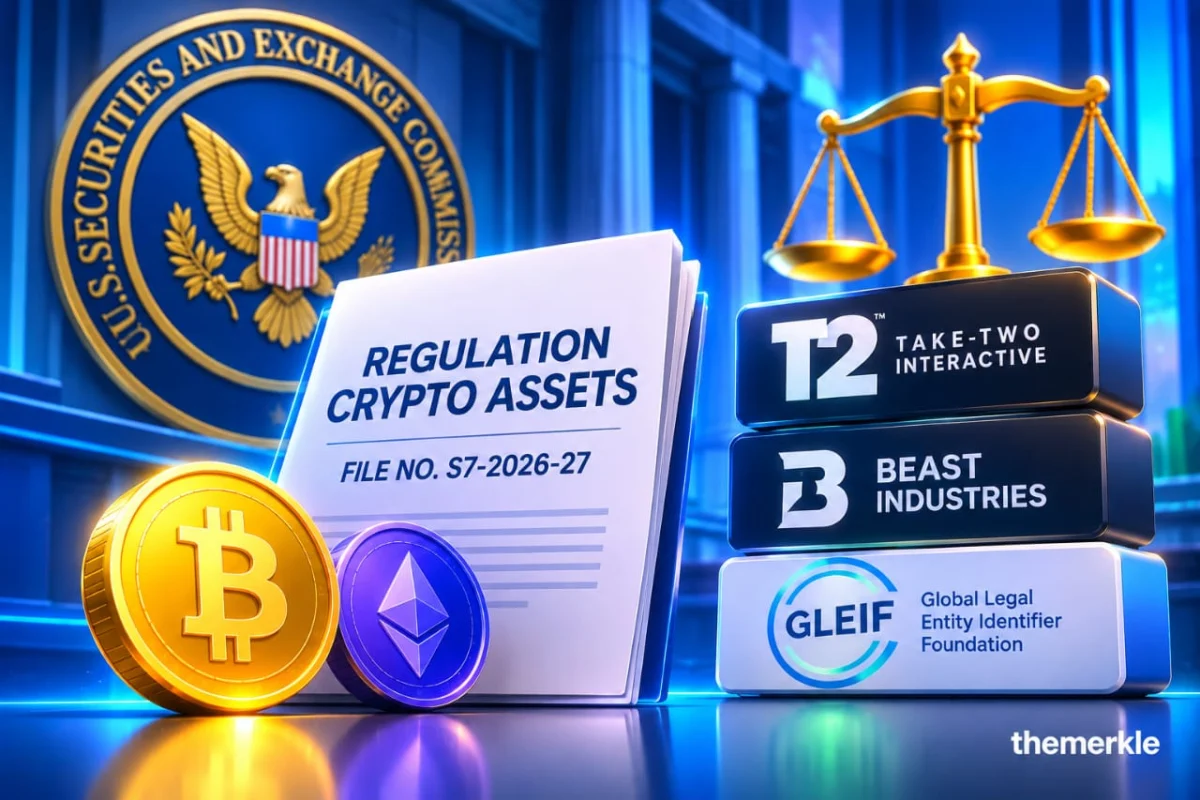
The Securities and Exchange Commission’s (SEC) ambitious 146-page proposing release for Regulation Crypto Assets (File No. S7-2026-27), designed to establish a comprehensive framework for digital assets, has ignited a far broader and more complex debate than initially anticipated. While the SEC stated its framework was built to accommodate hundreds of market participants, the public comment docket has unveiled a highly diversified and, at times, conflicting array of stakeholders, extending well beyond the crypto-native token issuers and decentralized autonomous organizations (DAOs that typically dominate such discussions. This unexpected breadth of engagement underscores a fundamental realignment in how digital assets are perceived, transforming what might have been an internal dialogue between regulators and nascent Web3 startups into a high-stakes battleground involving traditional entertainment behemoths, Wall Street heavyweights, and global legal entity standard-bearers, each vying to shape the regulatory architecture to serve vastly different ends.
The Regulatory Crucible: A Deep Dive into S7-2026-27
The genesis of Regulation Crypto Assets stems from the SEC’s long-standing assertion that many digital assets, particularly those offered through initial coin offerings (ICOs) or other fundraising mechanisms, constitute securities and thus fall under its purview. For years, the U.S. crypto industry has grappled with a perceived lack of clear regulatory guidelines, leading to a patchwork of enforcement actions rather than proactive rule-making. The SEC, under Chairman Gary Gensler, has consistently reiterated its stance that existing securities laws are sufficient to regulate the crypto market, emphasizing investor protection as a core mandate.
The proposing release for S7-2026-27 aims to provide greater clarity and establish a dedicated regulatory framework. Key aspects of the proposal likely include definitions for "crypto asset security," registration requirements for intermediaries (exchanges, brokers, dealers), disclosure obligations for issuers, and provisions for market integrity and investor safeguards. The SEC’s intent is to bring the nascent digital asset market within the well-established perimeter of securities regulation, aiming to mitigate risks associated with fraud, manipulation, and illicit finance, while theoretically fostering responsible innovation. The framework is intended to be technology-neutral, focusing on the economic realities of digital assets rather than their underlying technological structure.
However, the very act of proposing such a comprehensive framework, rather than clarifying existing rules, has catalyzed a robust and varied response. The traditional "Howey Test" and its application to digital assets have been a contentious point for years, with the crypto industry often arguing for a more tailored approach that recognizes the unique characteristics of blockchain technology and decentralized networks. The SEC’s current proposal seeks to solidify its interpretation, setting the stage for how future digital assets will be classified, issued, and traded in the United States.
A Broadened Battlefield: Beyond Crypto-Natives
A granular census of the submissions filed on the official SEC comment docket for S7-2026-27 paints a picture of a fractured constituency, far removed from the monolithic "issuers, investors, and law firms" often casually lumped together by the proposing release. While Web3 startups, blockchain protocol developers, and crypto-native investment firms have indeed submitted comments, they are joined by an influential and unexpected cohort:
- Non-Crypto Entertainment Giants: Major media companies, gaming studios, and intellectual property holders, increasingly exploring NFTs, metaverse applications, and tokenized content.
- Legal Entity Standard-Bearers: Organizations responsible for global data standards, corporate identification, and financial messaging protocols, whose existing frameworks could be impacted or leveraged by digital asset regulations.
- Wall Street Heavyweights: Traditional financial institutions, investment banks, asset managers, and market infrastructure providers, all keenly observing or actively entering the tokenization space.
- Academia and Think Tanks: Researchers and policy analysts offering economic and legal perspectives on the implications of digital asset regulation.
- Consumer Advocacy Groups: Focusing on the protection of individual investors and users within this evolving market.
This empirical split proves that Regulation Crypto Assets is not merely an internal dialogue between the SEC and a niche sector of Web3 startups. Instead, it is a high-stakes battleground where traditional entertainment monopolies, global data standards organizations, and traditional finance are colliding over the future of digital tokenization, digital property rights, and the very structure of future digital economies. The sheer volume and diversity of comments underscore the pervasive impact the SEC’s final rules will have, reaching far beyond the confines of what is typically considered the "crypto industry."
The Empirical Divide: Unpacking the Comment Docket
While specific numbers fluctuate daily as the comment period progresses, an analysis of early trends and representative submissions reveals the true balance of power driving the public feedback loop. Whereas the SEC might have anticipated a majority of comments from entities directly involved in issuing or trading cryptocurrencies, a significant portion originates from sectors that are either tangential or entirely separate from the traditional crypto ecosystem.
For instance, a substantial percentage of submissions emanate from established corporations in the media, gaming, and intellectual property sectors. These entities are not necessarily "crypto companies" in the conventional sense but are actively exploring or have already implemented strategies involving non-fungible tokens (NFTs), fan tokens, or in-game digital assets. Their concerns often revolve around how their existing business models, intellectual property rights, and user engagement strategies might be affected by stringent securities classifications or burdensome registration requirements.
Similarly, traditional financial institutions, ranging from major banks to asset managers and custodians, are heavily represented. These firms are increasingly looking to leverage blockchain technology for asset tokenization, settlement, and clearing. Their comments often focus on ensuring interoperability with existing financial infrastructure, achieving regulatory clarity for tokenized securities, and preventing fragmentation of capital markets.
Furthermore, a critical segment of commenters includes organizations focused on global data standards and legal entity identification. These groups are concerned with how digital asset regulations will integrate with, or potentially disrupt, established frameworks for identifying participants and ensuring data integrity across financial systems worldwide. Their input highlights the cross-border and foundational nature of the issues at stake.
This breakdown challenges any monolithic narrative, demonstrating that the future of digital assets is a shared concern across a much broader economic spectrum. It reflects a growing recognition that blockchain technology and tokenization are not confined to a speculative asset class but represent fundamental shifts in how value is created, transferred, and owned across various industries.
Traditional Titans Weigh In: Entertainment and Finance’s Stake
Examining specific non-crypto submissions highlights why legacy entities are investing significant legal and strategic capital into a crypto docket. Their motivations are deeply rooted in preserving existing business models, exploring new revenue streams, and managing potential risks associated with an evolving digital landscape.
-
Entertainment Industry: For media and gaming companies, the rise of NFTs and metaverse concepts presents both opportunities and challenges. They seek clarity on how digital collectibles, in-game items, and fan tokens will be classified. A strict securities classification for every digital asset could stifle innovation, complicate fan engagement strategies, and introduce onerous compliance burdens. For example, a major film studio issuing a limited-edition NFT tied to a movie premiere might fear that such an asset could be deemed a security, subjecting it to extensive registration and disclosure requirements, which are ill-suited for a collectible item. Similarly, gaming companies that allow users to earn, trade, or sell in-game assets want to ensure that these activities aren’t inadvertently classified as securities transactions, which could fundamentally alter their economic models and user experience. Their comments often advocate for tailored exemptions or clear distinctions between utility tokens, collectibles, and investment contracts. They are also keen to protect their intellectual property in a tokenized world, ensuring that new regulations don’t inadvertently create loopholes for infringement.
-
Wall Street Heavyweights: Traditional financial institutions are not just observing the crypto space; many are actively building infrastructure for tokenized assets, exploring central bank digital currencies (CBDCs), and offering crypto-related services to clients. Their submissions often emphasize the need for regulatory certainty to unlock the full potential of tokenization for real-world assets (RWAs), such as real estate, bonds, and equities. They are interested in how existing regulatory frameworks, such as those governing broker-dealers, custodians, and clearing agencies, will apply to digital assets. For example, a large bank looking to offer tokenized bonds needs to understand the exact regulatory requirements for issuance, trading, and settlement to ensure compliance and manage systemic risk. Their primary goal is to integrate digital assets into existing financial markets efficiently and securely, seeking clarity on custody, transferability, and the definition of "qualified custodians" for digital assets. They also frequently advocate for interoperability between traditional and digital financial systems, ensuring that new regulations don’t create isolated silos but rather facilitate a seamless transition towards a more tokenized economy.
The Architects of Data: Standards Bodies and Legal Entities
Beyond entertainment and finance, a crucial set of commenters includes global standards bodies and organizations focused on legal entity identification. Their involvement highlights the foundational impact of digital asset regulation on the very plumbing of global commerce and finance.
Organizations like the Global Legal Entity Identifier Foundation (GLEIF), which manages the global Legal Entity Identifier (LEI) system, would likely be interested in how the SEC’s framework addresses the identification of participants in digital asset markets. The LEI is a 20-character alphanumeric code that connects to key reference information that enables clear and unique identification of legal entities participating in financial transactions. As tokenization increases, the ability to clearly identify issuers, investors, and intermediaries becomes paramount for transparency, risk management, and anti-money laundering (AML) efforts. These bodies would advocate for integrating digital asset market participants into existing, globally recognized identification standards to prevent regulatory arbitrage and enhance systemic integrity.
Similarly, organizations involved in setting data standards for financial messaging (e.g., ISO 20022) would be keen to ensure that digital asset regulations are compatible with, or even leverage, established protocols for data exchange. Fragmented or incompatible data standards could hinder the efficient and secure transfer of tokenized assets across different platforms and jurisdictions. Their comments would likely emphasize the importance of consistent data definitions, interoperability, and the adoption of robust identification mechanisms to support a truly global digital asset ecosystem.
A Chronology of Crypto Regulation in the U.S.
The current SEC proposal is not an isolated event but rather the latest chapter in a protracted and often contentious regulatory journey for digital assets in the United States.
- 2013: The Financial Crimes Enforcement Network (FinCEN) issues guidance stating that virtual currency exchangers are money transmitters, requiring them to comply with AML/CFT regulations.
- 2017: The SEC issues the DAO Report, concluding that tokens offered in the DAO event were securities, signaling its intent to apply existing securities laws to digital assets. This was followed by a wave of enforcement actions against ICOs.
- 2018: The SEC’s Director of Corporation Finance, William Hinman, delivers a speech suggesting that Ether, the native cryptocurrency of Ethereum, might not be a security, creating some temporary optimism but also further confusion.
- 2020: The SEC files a lawsuit against Ripple Labs, alleging that its XRP token is an unregistered security, marking a significant escalation in enforcement.
- 2021-2022: Chairman Gary Gensler repeatedly states that "most crypto tokens are securities" and that the crypto market is rife with "non-compliance." The SEC increases its enforcement actions, targeting various crypto platforms and offerings.
- Early 2023: The SEC releases its proposal for Regulation Crypto Assets (S7-2026-27), initiating the public comment period, which closes later in the year. This period becomes a critical juncture for industry and traditional stakeholders to voice their concerns and recommendations.
This timeline illustrates a consistent pattern of the SEC asserting jurisdiction and applying existing securities laws, often through enforcement, culminating in the current formal rulemaking attempt. The protracted nature of this regulatory uncertainty has been a major point of contention for the crypto industry, with many advocating for legislation rather than regulation by enforcement.
The Stakes: Digital Property Rights and Future Economies
The implications of S7-2026-27 extend far beyond how tokens are launched or traded. The final framework will dictate nothing less than how digital property rights function across mainstream entertainment, global finance, and potentially other sectors for the next decade.
Consider the concept of digital ownership. If every digital collectible or in-game asset is deemed a security, it could create an enormous compliance burden that stifles creativity and innovation in the burgeoning metaverse and gaming industries. Conversely, a lack of clear rules could expose consumers to fraud and manipulation in these new digital economies. The balance struck by the SEC will profoundly impact the economic models for creators, developers, and platforms operating in the digital realm.
In traditional finance, the ability to tokenize real-world assets holds the promise of increased liquidity, fractional ownership, and more efficient settlement. However, if the regulatory framework is too restrictive or unclear, it could deter institutional adoption, push innovation offshore, or create unnecessary friction between traditional and digital markets. The rules around custody, transfer, and secondary trading of tokenized securities will determine whether Wall Street can truly embrace this technological shift.
Furthermore, the SEC’s approach will influence global regulatory trends. As a leading financial regulator, the SEC’s decisions often have ripple effects, shaping how other jurisdictions approach digital asset regulation. A well-crafted, clear, and balanced framework could serve as a model, fostering international cooperation and harmonization. Conversely, an overly restrictive or ambiguous approach could lead to regulatory fragmentation, making it harder for global businesses to operate and for capital to flow efficiently across borders.
Navigating the Nuances: Thresholds, Safe Harbors, and Classification
The specific mechanisms within the SEC’s proposal—such as proposed thresholds for defining "control" in decentralized networks or the scope of any potential "safe harbor" provisions—are particularly critical.
- Control Thresholds: The SEC often examines whether a centralized entity retains significant control over a network or token to determine if it constitutes a security. Different thresholds (e.g., based on voting power, token distribution, or development influence) could dramatically alter the classification of various decentralized projects. A low threshold could inadvertently classify many truly decentralized networks as centralized, subjecting them to inappropriate regulatory burdens.
- Safe Harbor Provisions: The concept of a "safe harbor" allows projects to develop and mature under certain conditions before being subject to full securities registration. The original proposal might include restrictive safe harbor provisions, limiting their applicability to only the earliest stages of development or imposing overly strict conditions. Industry participants, particularly protocol developers, advocate for broader and more flexible safe harbors that account for the iterative nature of blockchain development and the unique characteristics of decentralized governance. They argue that a well-designed safe harbor could foster innovation without compromising investor protection during a project’s nascent stages.
The SEC’s final adjustments to these nuanced provisions will directly impact the viability of different business models within the digital asset space. Whether the SEC adjusts its thresholds or preserves its restrictive safe harbor will dictate not just how tokens are launched, but how digital property rights function across mainstream entertainment and global finance for the next decade.
Global Implications and the Race for Regulatory Clarity
The United States has historically been a leader in financial regulation, and its approach to digital assets carries significant global weight. Other jurisdictions, from the European Union with its Markets in Crypto-Assets (MiCA) regulation to Asian financial hubs, are also grappling with how to regulate this rapidly evolving sector. A clear and comprehensive framework from the SEC could provide much-needed guidance internationally, potentially influencing global best practices and fostering greater regulatory convergence.
However, if the U.S. framework is perceived as overly burdensome or stifling to innovation, it could lead to "regulatory arbitrage," where crypto businesses and talent migrate to more favorable jurisdictions. This "race for regulatory clarity" is already evident, with countries like Singapore, Dubai, and even parts of Europe actively courting digital asset firms. The SEC’s final decision on S7-2026-27 will therefore not only shape the future of digital assets within the U.S. but also play a significant role in determining America’s competitiveness in the global digital economy.
The comment period for S7-2026-27 has revealed a profound and widely distributed interest in the future of digital assets, far exceeding the initial scope implied by the SEC’s proposing release. The resulting framework will be a pivotal document, not just for the crypto industry, but for the broader global economy as it navigates the transformative potential of tokenization and digital property rights. The SEC’s challenge now is to synthesize this diverse feedback into a framework that protects investors, fosters innovation, and provides the clarity demanded by an increasingly digital world, without inadvertently stifling the very technologies it seeks to govern.