


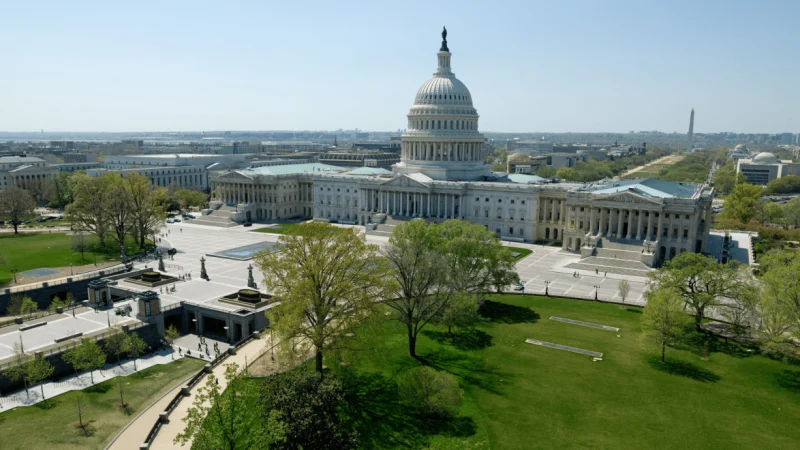
The United States Senate is entering what legislative analysts describe as the final viable window for the passage of the Clarity Act in 2026, with proponents of the bill anticipating the release of a comprehensive new draft as early as next week. This updated legislative text represents a significant milestone in the multi-year effort to regulate the digital asset industry, as it seeks to merge the distinct work products of the Senate Banking Committee and the Senate Agriculture Committee. By unifying these two tracks, lawmakers hope to resolve long-standing jurisdictional disputes and create a singular, cohesive federal framework for the multi-trillion-dollar crypto market. The forthcoming draft is expected to incorporate several months of intense negotiations, placing a heightened emphasis on consumer protection mechanisms while attempting to balance the competing interests of traditional financial regulators.
The urgency surrounding the Clarity Act is underscored by a tightening legislative calendar. Senate backers are currently aiming for potential floor action during the week of July 20, a timeline that leaves virtually no room for procedural delays. With the chamber scheduled to break for its summer recess in August, and the political focus expected to shift toward the high-stakes fall midterm election cycle shortly thereafter, the next few weeks represent a "now or never" moment for digital asset reform in the current session. The process of moving a bill of this complexity through the Senate floor typically requires several days of debate and amendment, further compressing the available time for leaders to secure a final vote.
A Chronology of the Legislative Push for Crypto Reform
The path to the current Senate draft began in earnest during the 2025 legislative session when the House of Representatives passed its version of a market structure bill with notable bipartisan support. That House bill, largely viewed as a precursor to the Clarity Act, sought to clarify the definitions of digital securities and commodities, providing a roadmap for firms to comply with federal law. However, the transition to the Senate proved more difficult than many industry advocates had initially anticipated. While the House moved with relative speed, the Senate’s dual-committee structure—where both Banking and Agriculture claim oversight of different aspects of the crypto ecosystem—led to a bifurcated approach that lasted through the early months of 2026.
In May 2026, the Senate Banking Committee released its own iteration of the bill. This version was specifically designed to address persistent controversies regarding stablecoin yield and the regulatory status of decentralized finance (DeFi) protocols. Since that release, staff members from both committees have been working behind the scenes to reconcile their differences. The result of these efforts is the merged draft expected next week, which reportedly contains over 70 pages of new material not found in previous versions. This additional content is said to focus heavily on the "guardrails" required to prevent the type of systemic failures witnessed in previous market cycles, ensuring that retail investors are shielded from platform insolvencies and predatory lending practices.
Navigating the 60-Vote Threshold and Democratic Demands
Despite the progress made in drafting the text, the Clarity Act faces a formidable political obstacle: the Senate’s 60-vote threshold. With a narrowly divided chamber, Republicans will require a significant number of Democratic votes to overcome potential filibusters and advance the bill to a final tally. As of mid-July, that necessary Democratic support remains unconfirmed. While some moderate Democrats have expressed a desire to provide regulatory certainty to the burgeoning industry, others remain skeptical of any legislation that might be perceived as weakening the oversight powers of the Securities and Exchange Commission (SEC).
The most prominent point of contention is a stringent ethics provision sought by senior Democratic lawmakers. This demand would impose sweeping restrictions on high-ranking government officials, including the President and Cabinet members, prohibiting them from maintaining business ties or significant personal investments in the crypto sector. Proponents of the provision argue it is essential to prevent conflicts of interest, particularly given the executive branch’s role in appointing regulators. Conversely, some critics view the demand as a "poison pill" designed to stall the bill. Several key Democratic senators have stated publicly that they cannot support the final package unless a compromise on these ethics limits is reached, making it the primary focal point of current negotiations.
Jurisdictional Clarity: The SEC and the CFTC
A core objective of the Clarity Act is the formal division of authority between the Securities and Exchange Commission (SEC) and the Commodity Futures Trading Commission (CFTC). For years, the digital asset industry has complained of "regulation by enforcement," where agencies use lawsuits rather than clear rules to define the boundaries of the law. The Senate draft aims to end this ambiguity by creating a bright-line test to determine when a digital asset is a security—subject to the SEC’s rigorous disclosure requirements—and when it is a commodity, falling under the CFTC’s oversight.
The merged draft is expected to refine these definitions further, particularly regarding "ancillary assets" and tokens that transition from centralized offerings to decentralized networks. However, the staffing of these agencies remains a secondary but critical issue. The White House has been engaged in a quiet struggle with Senate leaders over the confirmation of Democratic nominees for minority seats at both commissions. Simultaneously, Democratic senators have criticized the administration and Republican leadership for the slow pace of filling vacancies at independent agencies, arguing that a lack of full commission boards hampers the ability of the SEC and CFTC to implement any new laws passed by Congress.
Federal Preemption and the Role of State Regulators
Another pivotal issue being revisited in the latest draft is federal preemption. This determines the extent to which national rules will override existing state-level regulations, such as New York’s BitLicense or the various money transmitter licenses required by other states. The industry has long lobbied for a "passporting" system where a single federal license would allow a firm to operate nationwide. However, state regulators and their allies in the Senate have resisted a total handover of power, arguing that states are often better equipped to respond to local consumer protection issues.
The new 70-page addition to the Clarity Act is rumored to propose a "middle ground" on preemption. Under this proposed framework, federal law would set a floor for consumer protection and capital requirements, but states would retain the right to enforce stricter rules if they choose. This compromise is intended to satisfy those who worry about a "race to the bottom" in regulatory standards while still providing the industry with a more streamlined path to national compliance.
The Wyden Momentum and the Future of DeFi
The decentralized finance (DeFi) sector is also closely monitoring the inclusion of the Blockchain Regulatory Certainty Act within the broader Senate package. This specific provision aims to protect blockchain developers and non-custodial service providers from being classified as "money transmitters." If enacted, it would clarify that developers who do not control customer funds cannot be held liable for the financial transactions that occur on the protocols they write.
Advocates for the provision received a boost this week when Senator Ron Wyden signaled his support for the language. Wyden, a long-time advocate for digital privacy and innovation, has argued that misclassifying developers could drive the American software industry overseas. His endorsement provides a small but meaningful sense of momentum for the bill’s proponents, though the provision remains a target for law enforcement agencies who worry it could create loopholes for illicit finance and money laundering.
Implications for the Market and the 2026 Midterms
The stakes for the Clarity Act extend beyond the halls of Congress. The digital asset market has matured significantly since 2024, with institutional participation reaching record highs following the approval of various spot-market exchange-traded funds (ETFs). However, the lack of a comprehensive federal framework remains a hurdle for many traditional financial institutions that are wary of the current "patchwork" regulatory environment. The passage of the Clarity Act would likely trigger a new wave of institutional investment, as banks and asset managers gain the legal certainty required to offer crypto-native services to their clients.
Furthermore, the timing of the bill is inextricably linked to the 2026 midterm elections. Both parties are keen to demonstrate progress on financial innovation to a growing constituency of "crypto voters." For Republicans, the bill represents a commitment to market-led growth and a reduction in regulatory overreach. For Democrats, the emphasis on consumer protection and ethics serves as a shield against accusations that they are being too "cozy" with the industry.
The Path Forward: Hurdles and Possible Outcomes
Even if the Senate manages to pass the merged draft by the July 20 target, the journey is far from over. Because the Senate version differs significantly from the bill passed by the House in 2025, the two chambers would need to enter a conference committee to reconcile the differences. This would require the House to approve the revised Senate version, a process that could be complicated by the House’s own political dynamics.
Moreover, the White House’s stance remains a wildcard. According to recent reports, the administration has not yet signed off on the merged text and has not been a direct participant in the latest round of Senate negotiations. Without a clear signal from President Donald Trump that he is prepared to sign the bill, some senators may be reluctant to expend the political capital necessary to push it through.
The coming week will be a litmus test for the Clarity Act. If the merged draft is released as expected and receives a warm reception from both the banking and agriculture caucuses, the path to a floor vote becomes clearer. If, however, the ethics dispute or the DeFi provisions spark renewed infighting, the bill may join the long list of legislative efforts that fell just short of the finish line. For an industry that has spent years waiting for "clarity," the next few weeks in the Senate will determine whether that goal is finally within reach or if the wait will extend into another election cycle.














