


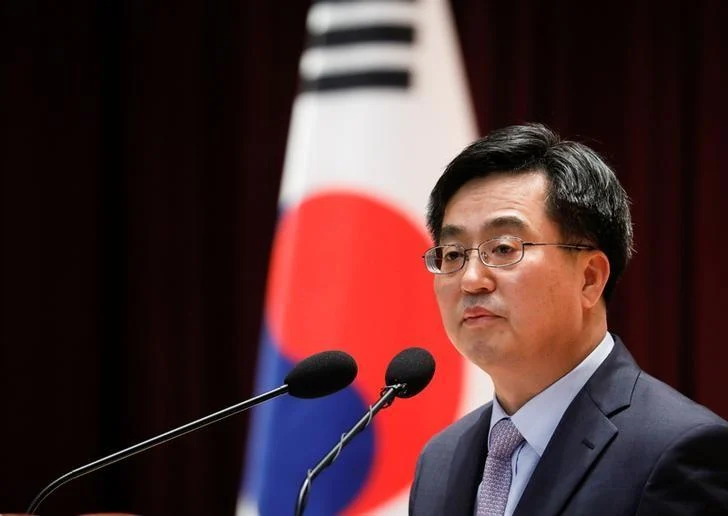
The South Korean government is reportedly preparing to lift its comprehensive ban on Initial Coin Offerings (ICOs), signaling a significant pivot in the nation’s regulatory approach to the digital asset market. This potential shift follows months of stringent oversight and public debate regarding the role of cryptocurrencies within the fourth-largest economy in Asia. According to high-level sources within the South Korean financial sector, the government is currently engaged in multi-departmental discussions to establish a framework that would permit ICOs under specific regulatory conditions. This move is seen as a strategic effort to foster technological innovation while maintaining the rigorous investor protections and anti-money laundering (AML) standards that the country has implemented over the past year.
The transition from a total prohibition to a regulated environment marks a major milestone for South Korea, which has historically oscillated between being a global hub for cryptocurrency trading and a proponent of some of the world’s strictest digital asset regulations. The discussions involve a collaborative effort between the Financial Services Commission (FSC), the Ministry of Strategy and Finance, the Ministry of Justice, and the National Tax Service. The objective is to move away from the blanket ban instituted in September 2017 and toward a more nuanced system that categorizes and regulates token sales based on their risk profile and technological utility.
The Evolution of South Korea’s Regulatory Landscape
To understand the significance of this policy shift, it is necessary to examine the volatile regulatory climate of late 2017. During that period, South Korea emerged as a primary driver of global cryptocurrency demand, with the "Kimchi Premium"—a phenomenon where digital assets traded at significantly higher prices on Korean exchanges than on international markets—becoming a hallmark of the local ecosystem. However, this surge in retail interest prompted a sharp reaction from government officials who feared a speculative bubble, potential money laundering, and the exposure of unsophisticated investors to fraudulent schemes.
In September 2017, the FSC announced a total ban on all forms of ICOs, regardless of the project’s technical merit or the nature of the tokens being issued. The regulator cited concerns over the increasing risk of financial scams and the lack of a legal framework to govern the issuance of new digital securities. This was followed by a series of high-profile statements from the Ministry of Justice, including suggestions that the government might move to shut down domestic cryptocurrency exchanges entirely. These proclamations, combined with high-profile hacking incidents at various Asian exchanges, contributed to a period of extreme market volatility and a sharp correction in the price of Bitcoin and major altcoins globally.
By early 2018, however, the tone began to change. Recognizing the massive public backlash—highlighted by a petition to the Blue House signed by over 200,000 citizens—the government began to refine its stance. Instead of total prohibition, the focus shifted toward "transparency" and "normalization." The introduction of the real-name verification system in January 2018 represented the first step in this new direction, requiring all cryptocurrency traders to link their exchange accounts to verified bank accounts at one of six major domestic lenders.
Internal Deliberations and Official Responses
The current push to allow ICOs is rooted in the realization that a total ban may be stifling the growth of South Korea’s domestic blockchain industry. An anonymous source familiar with the matter recently told The Korea Times that financial authorities have been talking to the country’s tax agency, justice ministry, and other relevant government offices about a plan to allow ICOs in Korea when certain conditions are met. This suggests that the government is looking for a middle ground that satisfies the security requirements of the Ministry of Justice while providing the economic flexibility sought by the Ministry of Strategy and Finance.
Kang Young-soo, a key figure overseeing cryptocurrency trading policies at the FSC, has provided further clarity on the government’s current position. While he noted that there is no official, finalized government policy that has been publicly ratified to lift the ban, he acknowledged that the FSC is aware of the growing industry demand and the necessity of a structured legal framework. Kang emphasized that the government differentiates between the speculative trading of cryptocurrencies and the development of blockchain technology. He stated that the FSC has acknowledged third-party views regarding the issue but maintained that the agency cannot provide an official confirmation until the inter-agency consensus is fully reached.
Strict Anti-Money Laundering and Investor Protection
Even if ICOs are permitted to return to the South Korean market, the regulatory environment will remain far from the "Wild West" atmosphere of early 2017. The government has made it clear that existing AML laws and protection policies will remain the cornerstone of any new framework. This includes the continuation of the ban on anonymous trading and the restriction on foreigners and minors participating in the South Korean digital asset markets.
The rationale for maintaining these restrictions is tied to South Korea’s commitment to international financial standards, particularly those set by the Financial Action Task Force (FATF). By requiring strict KYC (Know Your Customer) and AML compliance for any entity launching an ICO, South Korea aims to prevent the digital asset space from being used for illicit capital flight or money laundering. For potential ICO issuers, this would likely mean undergoing rigorous audits, providing detailed whitepapers that meet specific disclosure standards, and ensuring that the funds raised are managed through transparent, institutional-grade escrow services.
The Strategic Importance of Blockchain Technology
A driving force behind the government’s newfound tolerance for ICOs is the strategic importance of blockchain technology to the national economy. South Korean policymakers have increasingly identified blockchain as a core pillar of the "Fourth Industrial Revolution." While the government was initially hesitant to support any activity involving "coins," there is a growing consensus that the development of decentralized protocols and the issuance of utility tokens are inextricably linked.
"We have to have plans on how to advance blockchain-related technologies and effectively regulate crypto-trading," Kang Young-soo remarked during a recent industry forum at the National Assembly. This statement highlights a shift in the official narrative: the government no longer views blockchain and cryptocurrency as entirely separate entities that can be dealt with in isolation. To foster a robust blockchain ecosystem, the government recognizes that startups need a legal mechanism to raise capital and incentivize network participants.
The South Korean government has already begun investing heavily in blockchain research and development. Several pilot projects are underway in the public sector, exploring the use of blockchain for electronic voting, customs clearance, and logistics management. By allowing regulated ICOs, the government hopes to attract back the domestic talent and capital that fled to more crypto-friendly jurisdictions like Singapore and Switzerland following the 2017 ban.
Market Implications and Global Competitiveness
The potential re-legalization of ICOs in South Korea has profound implications for the global digital asset market. South Korea remains one of the most active markets for cryptocurrency in terms of per-capita participation. The return of a legal primary market for tokens would likely lead to a surge in domestic venture capital investment and provide a much-needed boost to the local tech startup scene.
Furthermore, South Korea’s move could set a precedent for other Asian nations currently grappling with similar regulatory dilemmas. If South Korea successfully implements a "regulated ICO" model, it could serve as a blueprint for countries that are wary of the risks associated with digital assets but are eager to capture the economic benefits of the blockchain boom.
From a market perspective, the news has been received with cautious optimism. Analysts suggest that a clear regulatory framework will reduce the "regulatory risk" premium that has historically weighed on South Korean blockchain projects. By providing legal certainty, the government may encourage institutional investors to enter the space, leading to greater market stability and maturity.
Conclusion and Future Outlook
While the South Korean government’s shift toward a more crypto-friendly policy is evident, the path to full implementation remains complex. The inter-departmental nature of the discussions means that any new legislation will need to balance the competing interests of financial stability, law enforcement, and economic innovation. The FSC’s cautious stance indicates that the transition will be gradual, with a focus on "conditional" approvals rather than a sudden, unregulated opening of the gates.
In the coming months, the industry will be looking for specific legislative proposals that define the "certain conditions" under which ICOs may operate. These are expected to include requirements for minimum capital, mandatory disclosures regarding the technical team and project milestones, and strict adherence to the real-name verification system.
The story of South Korea’s relationship with cryptocurrency is one of rapid adaptation. From the feverish heights of the 2017 trading craze to the sobering crackdown that followed, the nation is now seeking a sustainable equilibrium. By integrating ICOs into the formal financial system, South Korea is positioning itself not just as a consumer of digital assets, but as a potential leader in the global technological infrastructure of the future. The message from Seoul is clear: the government is no longer looking to stop the tide of digital innovation, but rather to build the channels through which it can safely and productively flow.














