


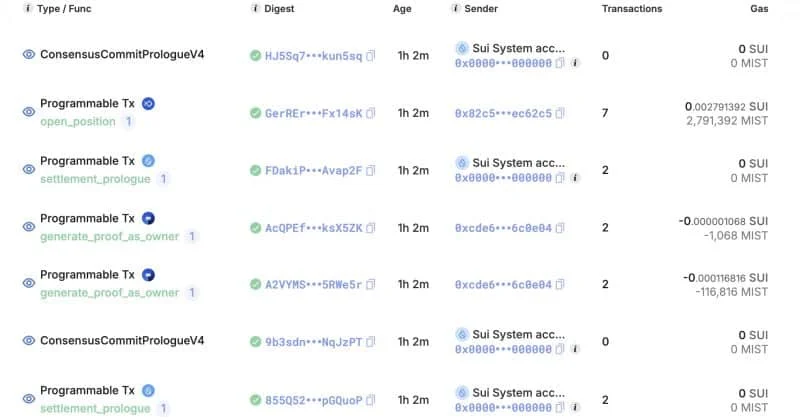
The Sui blockchain’s mainnet has successfully returned to full operational status following a critical bug within its latest software release, which led to an extended network standstill lasting approximately five hours and fifty-five minutes. The disruption, which began on May 28th and concluded on May 29th, necessitated a coordinated effort among network validators to implement a patch and upgrade to a stabilized version of the software, thereby restoring normal checkpoint production. The root cause of the prolonged outage has been identified as a flaw in the gas charging logic introduced in Sui’s 1.72 release, a fundamental component responsible for calculating transaction fees for users. This malfunction effectively halted the network’s ability to process new blocks and finalize transactions.
The Anatomy of the Outage and the Path to Recovery
The incident commenced on May 28th when validators operating the newly deployed 1.72 update encountered the critical bug. This error in the gas fee calculation mechanism triggered a cascading failure, preventing the generation of new checkpoints and, consequently, freezing the network. No new transactions could be successfully processed or finalized, leaving the entire ecosystem in a state of suspended animation.
The resolution process was far from instantaneous, underscoring the intricate nature of blockchain consensus mechanisms. Unlike a simple software restart, restoring Sui’s network required a substantial portion of its validators to synchronize and upgrade to the patched software. Specifically, the blockchain’s consensus protocol mandates that validators holding over two-thirds of the total staked SUI tokens must adopt the corrected version before the network can resume normal operations and recommence checkpoint production. This distributed governance model, while designed for robust security and decentralization, can also introduce complexities during network-wide incidents that require rapid, unified action.
Despite the significant disruption, the core safety mechanisms of the Sui network proved resilient. Crucially, no user funds were compromised or lost during the outage. The network’s inherent design prevented any data inconsistencies from accumulating while the chain was stalled, safeguarding the integrity of the ledger. However, the practical implications for decentralized finance (DeFi) protocols built on Sui were immediate and significant. All DeFi activities were effectively frozen. Users were unable to adjust existing positions, execute new trades, or have liquidations triggered, leading to a complete cessation of financial activity within the ecosystem for the duration of the downtime.
A Recurring Pattern of Network Disruptions
This recent outage is not an isolated incident for the Sui network. Data indicates a concerning pattern of extended downtime within a relatively short period. On January 14th of the same year, Sui experienced a similar multi-hour stall, lasting approximately six hours, which was attributed to a different issue: a consensus commit bug. The recurrence of such substantial outages within a span of roughly five months raises questions about the stability of recent software updates and the robustness of the network’s release management processes.
Both incidents share a striking commonality: the introduction of a bug through a software update, followed by a protracted period of coordination among validators to deploy a fix across the distributed network. This recurring scenario suggests potential underlying challenges in testing, quality assurance, or the deployment strategy for critical software releases within the Sui ecosystem.
The market’s reaction to the outage was swift and directly observable in the price performance of the SUI token. During the period of network instability, the SUI token experienced a price decline, reportedly dropping to approximately $0.89, representing a loss in the range of 6% to 8%. While the token saw a partial recovery once normal operations were restored, the price volatility highlights investor sensitivity to network stability issues.
Implications for Investors and the Sui Ecosystem
Sui has strategically positioned itself as a high-throughput Layer 1 blockchain, aiming to provide the foundational infrastructure necessary to support demanding DeFi applications and, in the long term, attract significant institutional capital. The ecosystem has demonstrated considerable growth since its launch, with the total value locked (TVL) across its various protocols reaching hundreds of millions of dollars. This growth trajectory underscores the network’s potential and the ambitions of its developers.
However, the recurring network outages present a significant challenge to this vision. For potential institutional investors and sophisticated DeFi users, network reliability and uptime are paramount. Extended downtime can erode confidence, deter investment, and signal a higher risk profile compared to more established and stable blockchain networks. The market’s reaction, as evidenced by the SUI token’s price dip and partial recovery, suggests a discernible playbook for how investors respond to such events. A repeated pattern of significant outages could lead to more pronounced and sustained sell-offs in the future, impacting investor sentiment and potentially hindering the network’s ability to attract and retain capital.
The recurring nature of these disruptions warrants a thorough examination of Sui’s software development lifecycle and its incident response protocols. While the network’s safety guarantees held firm in preventing fund loss and data corruption, the operational stability of the blockchain itself is a critical factor for its long-term success and its ability to fulfill its promise of high-performance transaction processing.
Expert Analysis and Potential Future Scenarios
Blockchain infrastructure, particularly for Layer 1 networks aiming for high transaction throughput, is subject to intense scrutiny. The ability to consistently process transactions without interruption is a fundamental prerequisite for widespread adoption and the flourishing of complex decentralized applications. While the technical complexities of maintaining a decentralized network are immense, recurring bugs that lead to multi-hour outages can be perceived as indicative of developmental immaturity or insufficient rigor in pre-release testing.
From a technical standpoint, the gas fee logic bug is particularly concerning. Gas fees are the economic mechanism that incentivizes validators to process transactions and secure the network. A flaw in this system can have profound implications for network usability and economic incentives. The fact that this particular bug brought the entire network to a halt suggests a deeply embedded issue within the core transaction processing pipeline.
The comparison to the January outage, which stemmed from a consensus commit bug, further emphasizes a potential pattern of foundational issues within the network’s core protocol. While different in their technical specifics, both incidents resulted in a complete cessation of network activity, highlighting vulnerabilities that have yet to be fully mitigated.
Looking Ahead: The Path to Enhanced Stability
For Sui to achieve its ambitious goals, a renewed focus on network stability and a robust incident mitigation strategy is imperative. This could involve several key initiatives:
- Enhanced Testing and Quality Assurance: Implementing more rigorous and comprehensive testing protocols, including advanced simulation environments and extensive stress testing, before deploying new software releases to the mainnet. This might also involve a more phased rollout strategy for major updates, allowing for a longer observation period in a controlled environment.
- Formal Verification: Exploring the use of formal verification techniques for critical components of the blockchain, such as the gas charging logic and consensus mechanisms, to mathematically prove their correctness and identify potential flaws before they manifest in production.
- Improved Incident Response and Rollback Mechanisms: While Sui’s consensus requires a majority to upgrade, exploring more agile methods for quickly deploying emergency patches and potentially establishing more streamlined rollback procedures in the event of critical failures could be beneficial.
- Community Transparency and Communication: While Sui developers have been transparent about the recent incident, continuing to provide clear and detailed post-mortems, along with actionable steps being taken to prevent future occurrences, will be crucial for rebuilding and maintaining community trust.
- Validator Education and Support: Ensuring that all validators have the necessary resources and support to quickly and effectively deploy updates, especially during critical incidents, is paramount given the distributed nature of network governance.
The Sui network possesses significant technological promise, and its recent growth in TVL is a testament to the innovation occurring within its ecosystem. However, the recurring challenges with network stability represent a critical hurdle that must be overcome. The blockchain industry is characterized by rapid innovation and intense competition, and while novel technology is important, consistent and reliable performance is the bedrock upon which trust and adoption are built. The coming months will be a crucial period for Sui to demonstrate its commitment to addressing these stability concerns and reinforcing its position as a leading Layer 1 blockchain. The market will undoubtedly be watching closely to see if the lessons learned from these disruptions translate into a more resilient and dependable network.














