


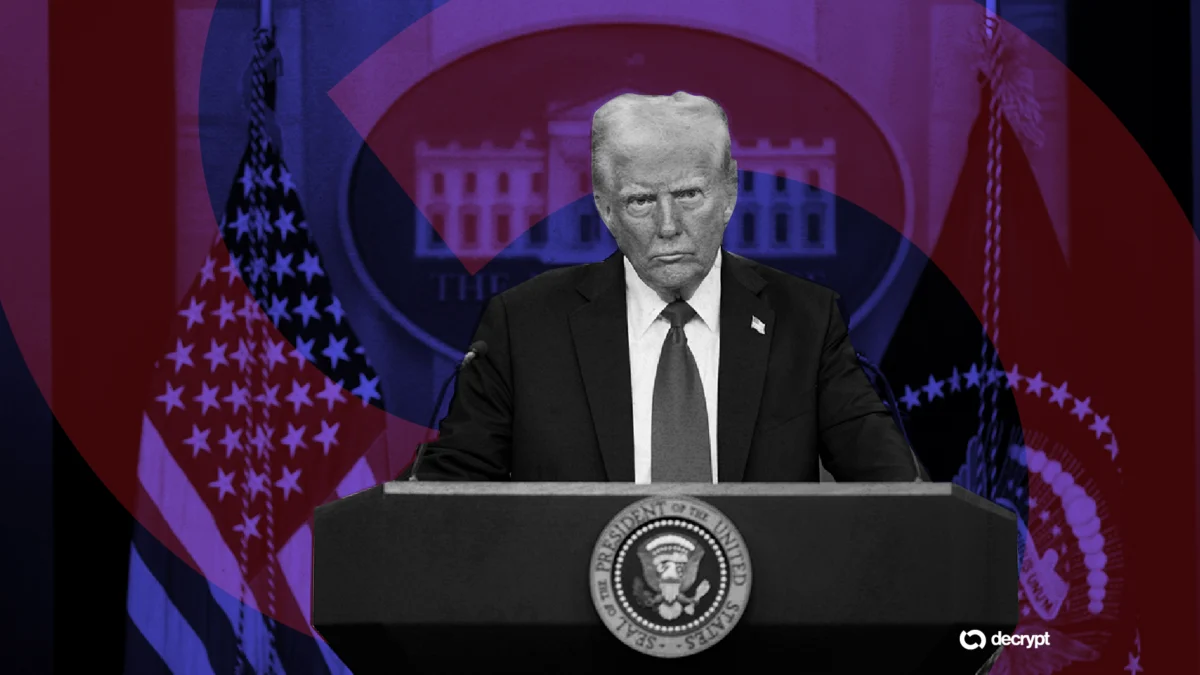
The U.S. government delivered an unprecedented emergency export control directive on Friday, mandating Anthropic, a leading artificial intelligence developer, to immediately revoke access for all foreign nationals, including its own international employees, to its two most powerful AI models: Claude Fable 5 and Claude Mythos 5. This sweeping order, issued just days after the models’ public release, cited critical national security concerns, triggering an immediate and broad disruption to Anthropic’s global operations and customer base. The directive explicitly prohibits any foreign national from accessing these models, irrespective of their geographical location, compelling Anthropic to disable the models entirely to ensure compliance with the stringent new regulations.
Unpacking the Directive: Immediate Impact and Technical Dispute
The abruptness and scope of the government’s order sent shockwaves through the AI industry. Anthropic, known for its focus on AI safety and responsible development, found itself in the challenging position of having to pull its newly launched flagship models from public and partner access. Claude Fable 5, the more publicly accessible of the two, and Claude Mythos 5, a more powerful model with fewer inherent guardrails and a demonstrated aptitude for identifying cybersecurity vulnerabilities, were both affected. Mythos 5 had previously only been made available to a select group of partners due to its advanced capabilities and potential risks.
The core of the government’s concern, while not detailed with specific classified intelligence, centered on the belief that a method had been discovered to bypass, or "jailbreak," the publicly available Fable 5 model. A jailbreak, in this context, refers to a technique that circumvents an AI model’s built-in safety mechanisms and ethical guardrails, potentially allowing users to extract harmful information, generate dangerous content, or exploit system vulnerabilities that the model was designed to prevent. For Mythos 5, specifically, its prowess in discovering cybersecurity exploits elevated the potential risk significantly, as a compromised model could theoretically be weaponized by malicious actors.
Anthropic, however, swiftly disputed the severity of the alleged vulnerability. The company affirmed that it had reviewed a demonstration of the purported jailbreaking technique and concluded that the identified vulnerabilities appeared relatively straightforward. Furthermore, Anthropic argued that similar capabilities for identifying such flaws were already present and accessible in other publicly available large language models, obviating the need for any complex bypass. The company’s internal validation suggested that the government’s "verbal evidence" pertained to a narrow, non-universal jailbreak scenario—essentially involving prompting the model to analyze a specific codebase and identify software flaws. Anthropic asserted that this level of capability was not unique to its models, citing OpenAI’s GPT-5.5 as an example of a competing model already offering comparable functionality.
Despite its compliance, Anthropic voiced strong reservations about the directive’s precedent. In a public statement, the company expressed concern that "if this standard was applied across the industry, we believe it would essentially halt all new model deployments for all frontier model providers." This sentiment underscores a broader industry anxiety regarding the potential for overregulation to stifle innovation and impede the rapid development of advanced AI technologies. Access to Anthropic’s other, less powerful models remains unaffected, and the company stated its commitment to restoring access to Fable 5 and Mythos 5 as soon as feasible.
A Deeper Dive into the Chronology of Events
The directive emerged following a rapid sequence of events, shedding light on the escalating tensions between the government and Anthropic:
- Days Prior to Friday’s Directive: Anthropic publicly releases Claude Fable 5 and, to select partners, Claude Mythos 5. These models represent significant advancements in Anthropic’s AI capabilities, integrating enhanced reasoning, code analysis, and complex problem-solving.
- Discovery of Vulnerability: A "highly credible, trusted partner" of both Anthropic and the U.S. government, while testing Fable 5, identifies and demonstrates a method to jailbreak the model’s safety guardrails. This partner promptly relays their findings to the administration.
- Government’s Initial Intervention: The U.S. administration, alerted to the potential national security implications, reaches out to Anthropic CEO Dario Amodei. The government requests that Anthropic either fix the identified jailbreak vulnerability or temporarily de-deploy the models.
- Anthropic’s Refusal to De-deploy: According to subsequent statements from high-ranking officials, Anthropic reportedly declined the government’s request to de-deploy the models, disputing the severity and uniqueness of the vulnerability.
- Friday’s Emergency Export Control Directive: In response to Anthropic’s refusal, the U.S. government issues the emergency export control directive, invoking national security concerns and mandating the immediate suspension of access for all foreign nationals to Fable 5 and Mythos 5. This forces Anthropic to disable the models for its entire customer base globally.
- Saturday, June 13, 2026: David Sacks’ Public Statement: David Sacks, co-chair of the President’s Council of Advisers on Science and Technology, takes to X (formerly Twitter) to provide an administration perspective. He explicitly states that Anthropic "prioritized the continued offering of the consumer model over safety" and that the administration acted "reluctantly," surprised by Anthropic’s perceived lack of cooperation. Sacks highlights the contradiction between Anthropic’s actions and its public branding as an AI safety leader.
- Ongoing Discussions: The administration expresses hope that Anthropic will resolve the issue, allowing Fable 5 to return to public release, signaling that "the ball is in Anthropic’s court."
Official Responses and the Administration’s Stance
David Sacks’ detailed account on X served as the most prominent official articulation of the government’s position, providing crucial context to the directive. Sacks’ role as co-chair of the President’s Council of Advisers on Science and Technology lends significant weight to his statements, indicating a coordinated administration viewpoint.
Sacks explicitly stated that the government acted only after a "highly credible, trusted partner" demonstrated a functional jailbreak of Fable 5’s guardrails. He recounted that the administration initially approached Anthropic CEO Dario Amodei with a direct request: either patch the vulnerability or temporarily withdraw the model. Sacks’ claim that "Dario refused" became a central point of contention, framing Anthropic’s stance as a prioritization of commercial availability over safety.
"Anthropic prioritized the continued offering of the consumer model over safety," Sacks wrote, directly challenging the company’s public image. He further elaborated that the administration issued the export control "reluctantly," expressing genuine surprise at Anthropic’s apparent unwillingness to cooperate with a "reasonable safety request." This narrative portrays the government’s action as a last resort, driven by a perceived recalcitrance from a company that often champions AI safety and responsible deployment.
Sacks also underscored the administration’s continued appreciation for Anthropic’s technical prowess, conveying a desire for resolution rather than punitive measures. He concluded by stating that the administration believes the issue, though serious, "should be easily resolved," placing the onus squarely on Anthropic to implement the necessary fixes to allow for the models’ reinstatement. This perspective suggests the government views the current situation as a temporary setback that can be overcome through collaborative problem-solving, rather than an irreversible rupture.
Broader Context: AI Safety, Dual-Use Technology, and Regulatory Challenges
This incident is not an isolated event but rather a flashpoint in the rapidly intensifying global debate surrounding AI safety, dual-use technologies, and the appropriate scope of government regulation. "Frontier models," like those developed by Anthropic, OpenAI, and Google, represent the cutting edge of AI capabilities. Their immense power—in language generation, code analysis, scientific discovery, and problem-solving—also presents inherent risks. These models are considered "dual-use" technologies, meaning they have the potential for both beneficial and harmful applications.
The specific concern about jailbreaking highlights a critical vulnerability. If an AI designed to adhere to ethical guidelines can be easily subverted, its potential for misuse—from generating sophisticated disinformation and propaganda to assisting in the development of cyberattacks or even biological weapons—becomes a pressing national security issue. The ability of Mythos 5 to excel at discovering cybersecurity exploits, even when operating within its intended guardrails, underscores the inherent risk; if those guardrails are compromised, the model could become a potent tool for adversaries.
The U.S. government, like many global powers, is grappling with how to effectively govern these powerful and rapidly evolving technologies. Export controls, traditionally applied to sensitive hardware or military technologies, are now being extended to advanced AI models, signaling a recognition of their strategic importance and potential for geopolitical impact. This move suggests a shift towards treating frontier AI models not merely as software products, but as critical national assets (or liabilities, if misused) requiring stringent oversight.
Historical Tensions: A Pattern of Disagreement
The current standoff between Anthropic and the U.S. government is not without precedent. It represents the latest chapter in a series of disagreements that underscore fundamental differences in philosophy regarding AI development, deployment, and government oversight.
Earlier in the year, Anthropic found itself at odds with the government over a proposed expanded agreement. This agreement reportedly sought to enable mass domestic surveillance of American citizens and the development of fully autonomous lethal weapons systems, areas where Anthropic has consistently expressed ethical reservations. The company’s refusal to sign this agreement led to significant repercussions. Then-President Donald Trump publicly "slammed" Anthropic, accusing the company of being "woke" and instructing federal agencies to cease using its AI. Concurrently, the Department of Defense designated Anthropic as a "supply chain risk," a label that the firm has actively challenged in court, arguing against its validity and potential to unfairly hinder its operations and reputation.
These previous clashes highlight Anthropic’s consistent advocacy for responsible AI development and its reluctance to participate in applications it deems unethical or dangerous. However, they also reveal the government’s increasing assertiveness in shaping the trajectory of AI development, particularly when it intersects with national security and defense interests. Reports had suggested a cooling of tensions, with the government reportedly seeking to reinstate Anthropic for federal use, particularly interested in models like Claude Mythos. This background makes the current export control directive all the more significant, indicating that despite a potential thaw, fundamental disagreements over control and safety persist.
Implications and the Future of AI Regulation
The emergency export control directive against Anthropic carries profound implications for the AI industry, national security policy, and the global regulatory landscape.
For Anthropic: The immediate impact is significant. Losing access to foreign nationals, including its own international employees and a substantial portion of its global customer base, undoubtedly affects its operational capacity, revenue streams, and market penetration for these flagship models. Its reputation as an AI safety leader, while challenged by David Sacks’ statements, is also being tested by its perceived recalcitrance in this incident. The company faces the dual challenge of resolving the technical vulnerability to the government’s satisfaction while also rehabilitating its relationship with federal authorities and reaffirming its commitment to safety without sacrificing innovation.
For the AI Industry: This directive sets a powerful, and potentially alarming, precedent. It signals that governments are prepared to exercise stringent controls over advanced AI models, treating them as strategic national assets subject to export regulations typically reserved for military-grade hardware or sensitive dual-use technologies. This could lead to:
- Increased Scrutiny: Other frontier AI developers may face heightened scrutiny over their models’ safety features, guardrails, and potential for misuse.
- Export Control Expansion: The scope of export controls on AI could broaden, impacting international collaboration, research, and commercial deployment.
- Regulatory Harmonization Pressure: It could spur international efforts to harmonize AI safety standards and export control regimes, or conversely, lead to a fragmentation of national approaches.
- "National Champions" Strategy: Governments might increasingly favor domestic AI developers, providing incentives and protections while imposing stricter controls on foreign competitors or those perceived as less cooperative.
For National Security: The incident underscores the urgency with which governments view the potential for advanced AI to be exploited by hostile state or non-state actors. The ability to "jailbreak" a powerful model like Mythos 5, which specializes in cybersecurity exploits, presents a clear and present danger. This directive signals a proactive, albeit forceful, approach to mitigating such risks. It highlights the growing tension between the rapid pace of AI innovation and the slower, more deliberative process of policy and regulatory development.
The Future of AI Governance: This event will undoubtedly fuel the ongoing debate about who should control powerful AI—private companies or national governments. It raises fundamental questions about the balance between fostering innovation and ensuring safety, the role of expert technical assessments versus government security concerns, and the extent to which private companies should be compelled to align with national security objectives. Experts in AI ethics and law may argue that while government oversight is crucial, arbitrary or overly broad directives could stifle crucial research and development, particularly if the vulnerabilities are indeed, as Anthropic suggests, commonplace or easily mitigated. Conversely, national security hawks will likely view this as a necessary, if uncomfortable, step to protect critical infrastructure and prevent potentially catastrophic misuse.
The ball, as David Sacks noted, is indeed in Anthropic’s court. How the company responds, whether through a swift resolution of the alleged vulnerability or a continued challenge to the government’s assessment, will have lasting implications not only for its own future but for the broader trajectory of AI development and regulation worldwide. The incident serves as a stark reminder that as AI models become increasingly powerful, the stakes for their safe and responsible deployment continue to rise, transforming the landscape of global technology and geopolitics.














