In a decisive and multi-layered operation aimed at dismantling the global infrastructure of cyber-enabled fraud, United States authorities announced on April 23, 2026, a coordinated strike against transnational criminal syndicates operating out of Southeast Asia. This enforcement action, led by the Department of Justice’s (DOJ) Scam Center Strike Force in collaboration with the Office of Foreign Assets Control (OFAC) and the Department of State, represents one of the most significant efforts to date to disrupt the "pig butchering" industry. The operation targeted the entire ecosystem of these criminal enterprises, ranging from the physical compounds in Myanmar and Cambodia to the digital platforms and financial networks used to launder billions of dollars in stolen cryptocurrency.
The scale of the crackdown reflects the growing severity of cryptocurrency investment fraud, which has evolved from isolated schemes into a multi-billion-dollar shadow economy. According to data released by the FBI’s Internet Crime Complaint Center (IC3), reported losses from these specific scams reached a staggering $7.2 billion in 2025 alone. Beyond the financial devastation, these operations are inextricably linked to grave human rights abuses, including human trafficking and forced labor, as criminal organizations lure workers with the promise of high-paying jobs only to imprison them in fortified compounds and force them to conduct fraudulent activities under threat of violence.
The Rise of the Scam Center Strike Force and Operation Level Up
The Scam Center Strike Force was officially established in November 2025 by the Department of Justice to address the unique challenges posed by transnational organized crime in the digital age. Recognizing that these syndicates operate across multiple jurisdictions and utilize sophisticated technology, the Strike Force integrates resources from the FBI, the U.S. Secret Service, and international law enforcement partners. The April 2026 announcement marks the culmination of months of intensive investigation and cross-border cooperation.
A central component of this operation was "Operation Level Up," a tactical initiative focused on the digital infrastructure utilized by scammers. Through this program, federal agents seized 503 web domains that were meticulously designed to mimic legitimate cryptocurrency investment platforms. These fraudulent sites were the primary tools used to deceive victims, offering fake dashboards that showed high-yield returns on investments that did not exist. In reality, the funds deposited by victims were immediately routed to wallets controlled by the syndicates.
Furthermore, the Strike Force executed a landmark seizure of a Telegram channel boasting over 6,000 followers. This channel served as a primary recruitment hub, luring English-speaking individuals to Cambodia under the guise of legitimate employment in the tech and customer service sectors. Upon arrival, these individuals were often stripped of their passports and forced to operate law enforcement and bank impersonation schemes targeting American citizens. This seizure not only disrupted current recruitment efforts but also provided authorities with a trove of intelligence regarding the methods used to exploit vulnerable workers.
High-Value Arrests and the Dismantling of the Shunda Compound
The DOJ unsealed criminal complaints against two high-ranking managers of the Shunda compound, located in the Min Let Pan region of Burma (Myanmar). The defendants, Huang Xingshan and Jiang Wen Jie, both Chinese nationals, are alleged to have overseen a brutal regime of forced labor and fraud. Before the Shunda compound was raided and seized by local forces late last year, it served as a major node in the global scam network.
According to court documents, Huang and Jiang managed hundreds of trafficked workers who were subjected to physical punishment and psychological abuse if they failed to meet "scam quotas." The two men were apprehended in Thailand earlier this year while attempting to relocate their operations between Cambodia and Burma. Their arrests signify a major blow to the leadership tier of these syndicates, moving beyond the low-level "mules" and targeting those who facilitate the systemic abuse of both victims and workers.
The Shunda compound was a prime example of the industrial-scale fraud factories that have proliferated in regions of Southeast Asia where central government control is weak or compromised. These compounds are often self-contained cities, featuring housing, cafeterias, and high-tech "boiler rooms" where scammers work around the clock to groom victims via social media and dating apps.
Financial Interdiction: Restraining 700 Million Dollars in Crypto
One of the most impactful outcomes of the April 23 actions was the restraint of more than $701.9 million in cryptocurrency. This massive sum was successfully frozen through a combination of U.S. legal processes, including seizure warrants, and the proactive cooperation of cryptocurrency service providers and exchanges.
The ability to restrain these funds highlights the "double-edged sword" nature of blockchain technology. While scammers favor cryptocurrency for its perceived anonymity and speed, the inherent transparency of the public ledger allows forensic analysts to trace the flow of stolen assets with precision. By labeling addresses and monitoring the movement of "tainted" coins, law enforcement and compliance firms like Chainalysis have made it increasingly difficult for syndicates to "cash out" their illicit gains into fiat currency.

The $700 million represents a significant portion of the working capital for several major syndicates. Authorities believe that by removing this liquidity, they can stall the expansion of new compounds and reduce the incentive for regional power brokers to host these criminal enterprises.
OFAC Sanctions: Targeting the Cambodian Political and Business Elite
While the DOJ focused on the criminal operators, the Department of the Treasury’s OFAC moved to sever the political and financial lifelines that sustain these scam centers. OFAC designated 29 targets in Cambodia, effectively blacklisting them from the U.S. financial system and freezing any assets held under U.S. jurisdiction.
At the center of these designations is Kok An, a prominent Cambodian senator and businessman with a sprawling empire. OFAC alleges that Kok An’s businesses, including Crown Resorts and Anco Brothers Co Ltd, own and manage properties in Poipet and Sihanoukville that have been specifically modified to serve as scam compounds. The sanctions suggest that Kok An provided the necessary security and physical infrastructure for these syndicates in exchange for substantial rental income and the use of his casino network to launder the proceeds.
Other notable sanctioned entities and individuals include:
- Rithy Raksmei: A close business associate of Kok An, involved in the management of resort properties used for illicit activities.
- Heng Feng Cambodia Bank Plc: Alleged to have provided banking services that facilitated the movement of scam-related funds.
- K99 Group and Bolai: These organizations are accused of operationalizing the scams through technical means.
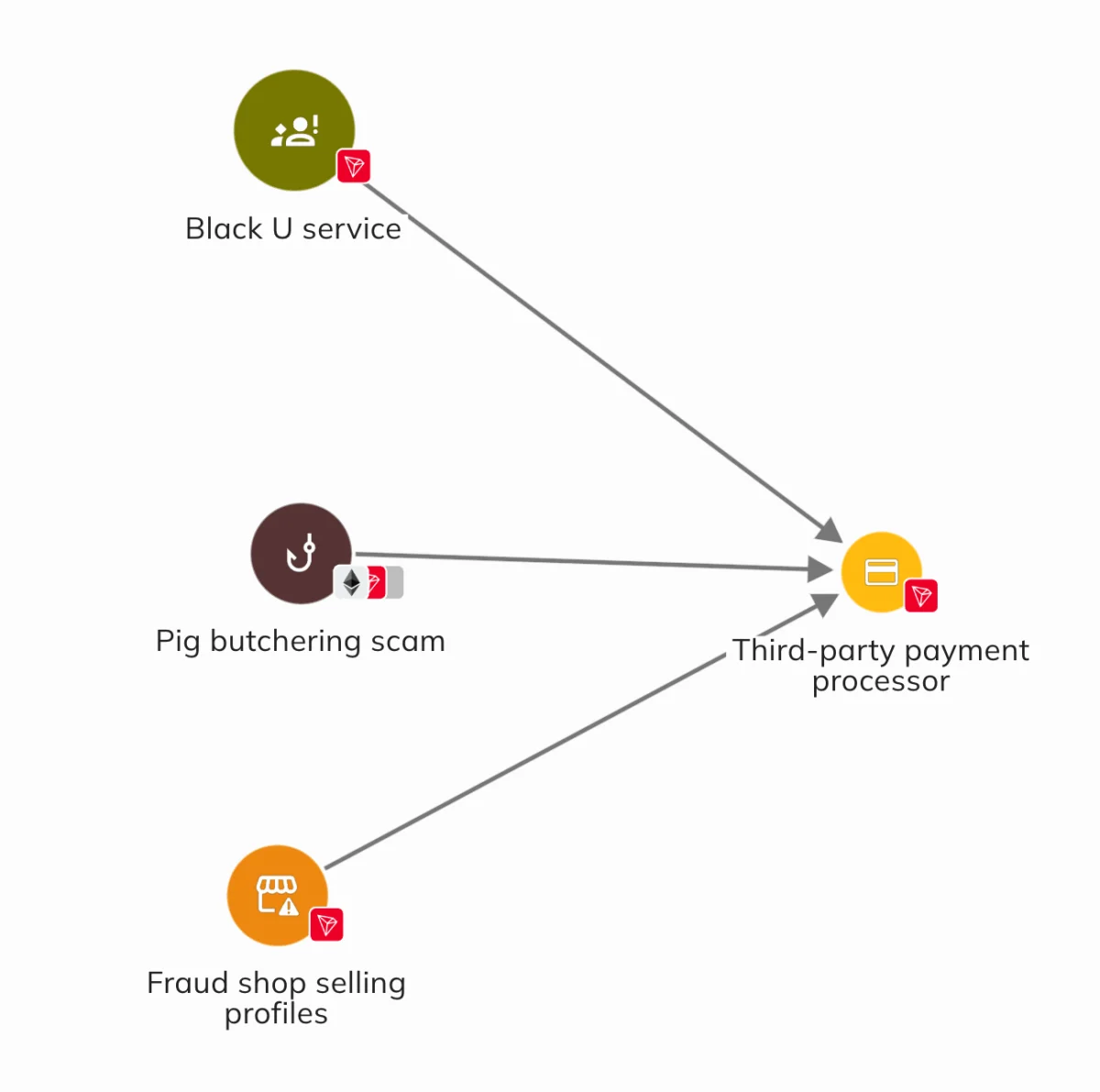
The K99 Group has been linked by cybersecurity researchers to the deployment of malware, indicating a tactical shift in the "pig butchering" playbook. Instead of relying solely on social engineering, syndicates are increasingly using technical exploits to gain access to victims’ devices and financial accounts. Meanwhile, Bolai has been identified as a key player in using third-party payment processors to bypass traditional anti-money laundering (AML) controls.
Chronology of the Global Enforcement Action
The success of the April 2026 strike was the result of a multi-year timeline of investigation and escalating pressure:
- January 2024: IC3 reports a record surge in "pig butchering" complaints, prompting the formation of specialized task forces within the FBI.
- November 2025: The DOJ officially launches the Scam Center Strike Force to centralize intelligence and coordinate with international partners.
- December 2025: Local forces in Myanmar, amid shifting internal conflicts, seize the Shunda compound, forcing its managers to flee.
- February 2026: Huang Xingshan and Jiang Wen Jie are arrested by Thai authorities following a tip-off from U.S. intelligence regarding their travel plans.
- March 2026: "Operation Level Up" completes the mapping of over 500 fraudulent domains, leading to simultaneous seizure orders.
- April 23, 2026: The U.S. government unseals the indictments and announces the OFAC designations, marking a comprehensive blow to the network.
Broader Implications and the Future of Crypto Compliance
The U.S. government’s actions have sent shockwaves through both the geopolitical landscape of Southeast Asia and the global cryptocurrency industry. By sanctioning a sitting senator and major financial institutions in Cambodia, the United States is signaling that it will hold high-level enablers accountable, regardless of their political status.
For the cryptocurrency ecosystem, the implications are clear: the era of "unregulated" movement of large-scale illicit funds is drawing to a close. Financial institutions and exchanges are now under intense pressure to enhance their "Know Your Customer" (KYC) and AML protocols to detect exposure to the newly sanctioned Cambodian entities. The use of blockchain analytics has moved from a niche tool to a fundamental requirement for regulatory compliance.
Industry experts suggest that while these enforcement actions are a major victory, the threat remains adaptive. As U.S. authorities tighten the noose around Southeast Asian compounds, some syndicates are already reportedly exploring new territories in Africa and Latin America. However, the precedent set by the Scam Center Strike Force—combining physical arrests, digital seizures, and high-level sanctions—provides a robust blueprint for future international efforts to combat the evolving menace of cyber-enabled transnational crime.
Victims of these schemes are urged to continue reporting incidents to the IC3. As shown by the $700 million restraint, timely reporting can directly lead to the recovery of assets and the eventual dismantling of the organizations responsible for these life-altering crimes.