


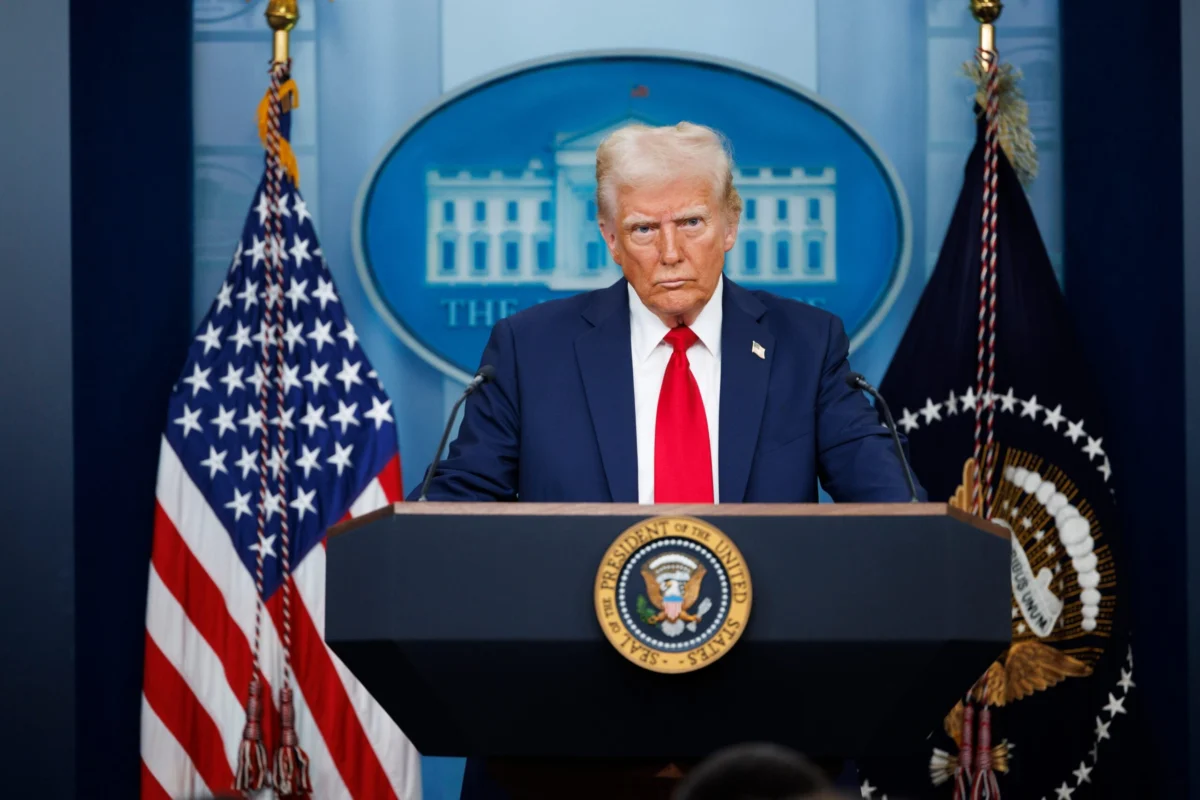
President Donald J. Trump announced on Saturday that a preliminary agreement with Iran is nearing finalization, laying the groundwork for what could become comprehensive peace negotiations. A critical component of this nascent accord involves the reopening of the Strait of Hormuz, the vital maritime artery through which approximately one-fifth of the world’s petroleum supply traverses daily. This development signals a potentially transformative shift in a region long plagued by geopolitical tensions and recent heightened hostilities.
The President shared the significant breakthrough via his Truth Social platform, stating that the framework had been "substantially completed" following extensive discussions involving the United States, the Islamic Republic of Iran, and several intermediary nations. While full details are anticipated to be released in the near future, the revelation has already sent ripples through global markets and diplomatic circles, offering a glimmer of hope after months of severe disruption.
The Catalyst: Escalating Tensions and the Strait’s Closure
The strategic waterway has remained inaccessible to international shipping since late February, when Iran imposed a stringent blockade. This drastic measure was a direct response to combined U.S.-Israeli military operations that culminated in the death of Iran’s long-standing Supreme Leader, Ali Khamenei. The demise of the influential cleric, a figure who had dominated Iranian politics for decades, ignited a profound crisis, leading to unprecedented retaliatory actions by Tehran and a rapid escalation of regional instability. The closure of the Strait of Hormuz, a choke point between the Persian Gulf and the Arabian Sea, immediately crippled global petroleum transportation, triggering significant spikes in energy prices and exacerbating existing economic challenges worldwide.
Prior to the announcement of a potential breakthrough, Brent crude contracts had closed Friday’s trading session just above $100 per barrel, while the American WTI benchmark finished the week exceeding $96. However, signs of de-escalation had already begun to emerge on Thursday, with preliminary indications of a possible ceasefire arrangement appearing in various media reports, causing oil prices to retreat slightly from their peaks. The sustained closure had not only impacted crude oil but also liquefied natural gas (LNG) and other crucial maritime cargo, leading to inflated shipping costs, rerouting complications, and considerable uncertainty for international trade. Supply chains, already fragile from previous global disruptions, faced immense strain, prompting urgent calls from international bodies for a diplomatic resolution.
Diplomatic Progress and the Path to Negotiation
The Saturday announcement by President Trump followed a flurry of high-level diplomatic activity. On that day, Trump reportedly engaged in extensive conversations with heads of state from key regional players including Saudi Arabia, the UAE, Qatar, Pakistan, Turkey, Egypt, Jordan, and Bahrain. These crucial discussions were then followed by a separate call with Israeli Prime Minister Benjamin Netanyahu, a leader who has historically maintained a skeptical, often resistant, stance toward diplomatic overtures with Iran, particularly regarding its nuclear program and regional influence. The inclusion of these regional leaders in the consultation process underscores the complex web of alliances and rivalries that define the Middle East and the necessity of broad regional buy-in for any lasting peace.
Confirming the advanced stage of negotiations, Esmail Baghaei, spokesperson for Iran’s foreign ministry, verified that both nations were indeed approaching the "concluding phase" of developing a memorandum of understanding. Baghaei expressed optimism, characterizing a 30-60 day timeframe for reaching a comprehensive agreement as "achievable." This timeline suggests an intense period of negotiation lies ahead, requiring significant concessions and trust-building measures from all parties involved.
The proposed framework outlines a series of reciprocal steps designed to de-escalate the immediate crisis. Iran has provisionally agreed to reopen the Strait of Hormuz and eliminate passage fees for maritime traffic during the negotiation period. In return, Washington would terminate its maritime blockade affecting Iranian harbors, a move that would alleviate significant economic pressure on Tehran. Beyond the immediate lifting of blockades, Iran is also actively pursuing the rapid release of approximately $100 billion in frozen financial assets currently held internationally under American sanctions. The unfreezing of these assets would provide a substantial boost to the Iranian economy, which has been severely impacted by years of international isolation and sanctions.
Several regional actors, notably Pakistan and multiple Arab states, have actively advocated for extending the existing ceasefire by six weeks. This proposed extension aims to provide additional time and a stable environment for diplomatic efforts to mature, recognizing the delicate nature of the negotiations and the deep-seated mistrust that needs to be overcome.
Core Obstacles: The Nuclear Program and Regional Influence
Despite the promising progress on the Strait of Hormuz and economic relief, the preliminary framework conspicuously leaves unaddressed the fundamental and most contentious disagreement concerning Iran’s nuclear capabilities. The United States continues to push for a comprehensive agreement that would incorporate a two-decade moratorium on Iranian nuclear operations and a commitment from Tehran to transfer its inventory of highly enriched uranium to American custody. These demands reflect long-standing international concerns regarding Iran’s potential to develop nuclear weapons and the proliferation risks associated with its uranium enrichment activities.
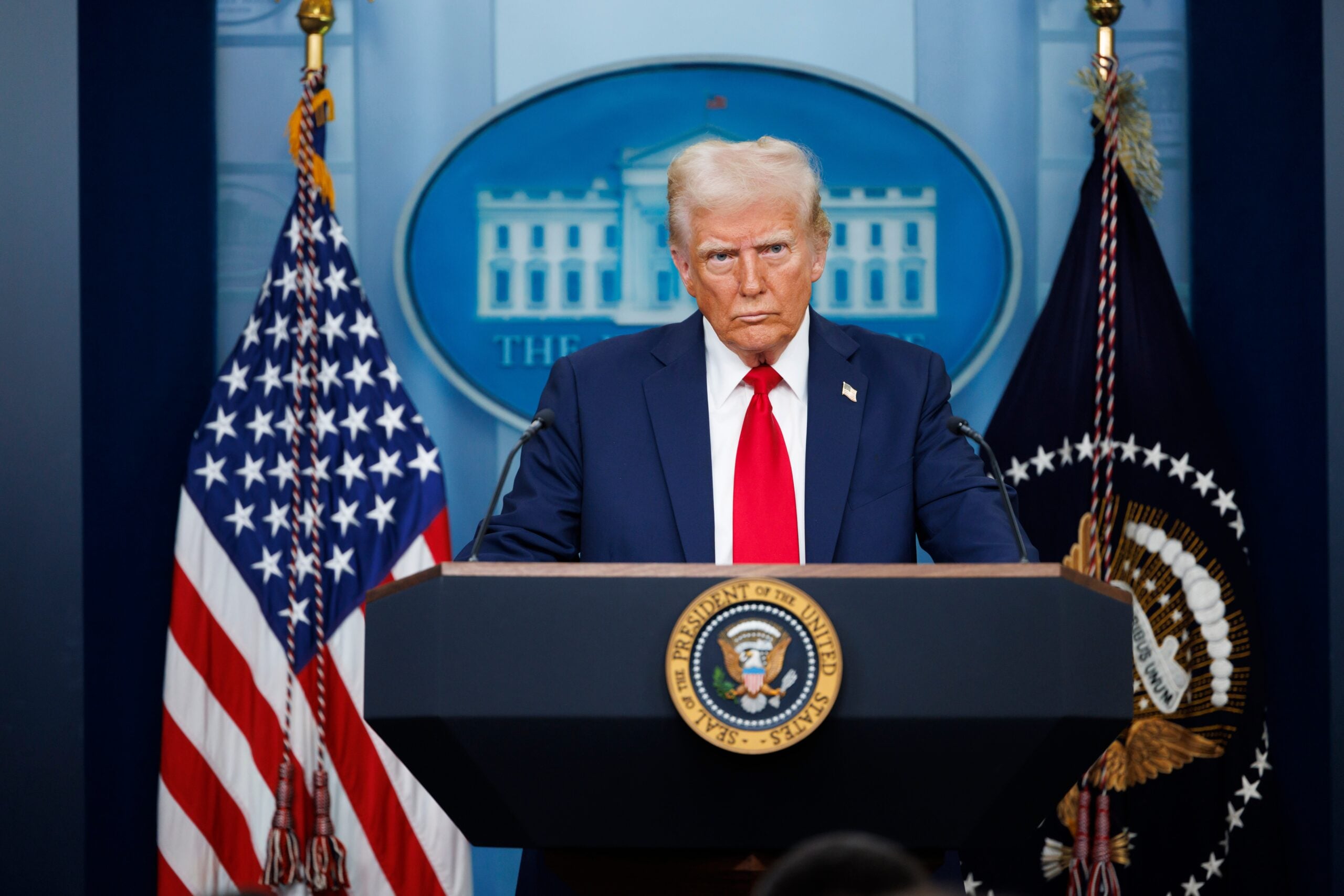
Iran, however, has categorically refused both demands. Supreme Leader Mojtaba Khamenei, who assumed leadership following his predecessor’s death, publicly declared earlier this week that no enriched uranium would be permitted to leave Iranian territory. This firm stance underscores Iran’s perceived sovereign right to a peaceful nuclear program and its reluctance to cede control over strategic national assets. Iranian officials have consistently indicated that nuclear matters should be deliberated at a subsequent stage, contingent upon the comprehensive removal of all sanctions. As Baghaei informed state media, "At this stage, our entire focus is on ending the war," signaling Iran’s prioritizing of immediate de-escalation and economic relief over long-term nuclear disarmament discussions.
Beyond the nuclear issue, additional unresolved matters encompass Iran’s ballistic missile capabilities and its assistance to regional armed factions. These elements represent critical security concerns for both Israel and Washington’s Gulf allies, who view Iran’s missile program and its network of proxy forces as direct threats to regional stability. Any comprehensive agreement would ultimately need to address these issues to garner widespread support and ensure lasting peace. The semiofficial Fars News agency, often seen as a mouthpiece for conservative factions within Iran, disputed President Trump’s characterization of the preliminary accord, asserting that any agreement would preserve Iran’s full authority over transit routes, scheduling, and passage authorization through the Strait of Hormuz. This public disagreement highlights internal Iranian political complexities and potential resistance to perceived concessions.
Economic Ramifications and Global Impact
The closure of the Strait of Hormuz has had profound and far-reaching economic consequences, illustrating its indispensable role in global trade. Historically, over 20 million barrels of crude oil and petroleum products pass through the strait daily, along with a significant volume of liquefied natural gas (LNG) from Qatar, one of the world’s largest LNG exporters. The blockade led to an immediate surge in shipping insurance premiums, forcing vessels to take longer, more expensive routes around the Arabian Peninsula, or to halt operations entirely. This disruption contributed to a global energy supply shock, pushing up prices at the pump for consumers and increasing operational costs for industries reliant on oil and gas.
Beyond direct energy costs, the ripple effects were felt across various sectors. Manufacturing, transportation, and agriculture faced increased input costs, contributing to inflationary pressures in economies already grappling with post-pandemic recovery challenges. The potential reopening of the Strait, even provisionally, is expected to provide a significant psychological and practical boost to global markets. Analysts predict a stabilization, and potentially a slight reduction, in crude oil prices as supply concerns ease. The unfreezing of Iran’s $100 billion in assets could also provide a stimulus to Iran’s economy, potentially increasing its capacity for international trade and investment, albeit under careful monitoring.
Regional and International Perspectives
The prospect of a US-Iran peace accord elicits diverse reactions across the Middle East and the international community. For Saudi Arabia and the UAE, key Gulf allies, the reopening of the Strait of Hormuz offers immediate economic relief and a de-escalation of a volatile regional conflict that threatened their own shipping lanes and energy infrastructure. However, their long-standing concerns about Iran’s regional influence and ballistic missile program remain, suggesting they will closely scrutinize the details of any comprehensive agreement. Pakistan and Turkey, acting as important intermediaries, stand to gain diplomatic prestige and potentially enhanced regional stability.
Israel, under Prime Minister Netanyahu, faces a particularly complex calculus. While the de-escalation of immediate hostilities might be welcomed, Israel’s paramount security concern remains Iran’s nuclear program. Netanyahu’s "traditional resistance" suggests he will likely advocate for stringent verification mechanisms and a robust framework to prevent Iran from acquiring nuclear weapons capabilities. Any agreement that does not fully address these concerns would likely be met with skepticism and strong objections from Jerusalem.
The United Nations, European Union, and other international bodies have consistently called for de-escalation and a diplomatic resolution to the US-Iran standoff. They would likely welcome any preliminary agreement as a positive step towards stability, while also emphasizing the need for a comprehensive and verifiable accord that addresses all outstanding issues, including nuclear proliferation and regional security.
Challenges and the Road Ahead
Despite the encouraging announcement, the path to a comprehensive and lasting peace remains fraught with challenges. Hostilities have not formally concluded; American military personnel and equipment remain deployed in Israel, and the threat of renewed armed conflict looms should diplomatic efforts falter. The deep-seated mistrust between Washington and Tehran, cultivated over decades, will require sustained commitment and political will from both sides to overcome.
Domestically, President Trump faces potential opposition from certain Republican senators, including Lindsey Graham, who have openly encouraged a recommencement of military operations rather than offering diplomatic compromises. This internal political dynamic in the U.S. could complicate the ratification and long-term implementation of any agreement. Similarly, internal factions within Iran, particularly hardliners, might resist concessions, potentially undermining the negotiating team’s efforts.
This preliminary framework represents the most recent chapter in a protracted and often tumultuous series of exchanges between Washington and Tehran that has swung between promising diplomatic breakthroughs and ominous threats of renewed military engagement. The success of these ongoing negotiations hinges not only on resolving the immediate crisis of the Strait of Hormuz but also on finding common ground on the far more intractable issues of nuclear proliferation, ballistic missile development, and Iran’s regional foreign policy. The coming weeks, with their 30-60 day timeframe for a comprehensive agreement, will be critical in determining whether this fragile accord can evolve into a genuine and lasting peace in a perpetually volatile region.














