


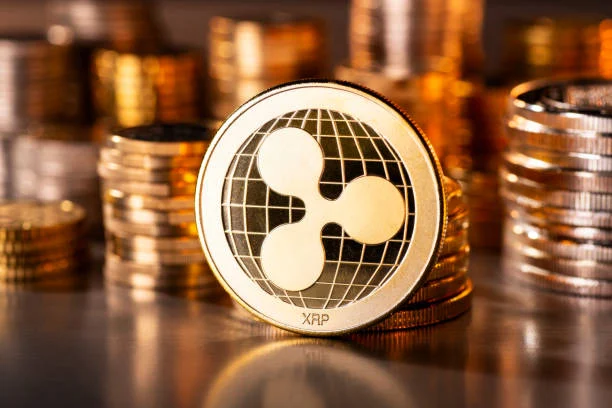
The XRP Ledger (XRPL), one of the industry’s longest-standing blockchain protocols, is currently navigating a period of intense analytical scrutiny following a significant dip in on-chain fee generation. Recent data aggregated from decentralized finance (DeFi) analytics platform DefiLlama and various XRPL-native explorers reveals that daily network fees on the ledger have recently fallen below the $400 threshold. This metric, while seemingly minor in the context of global finance, has ignited a broader conversation regarding the relationship between transaction costs, network utility, and the long-term economic model of the XRP ecosystem.
For a network with a multi-billion dollar market capitalization, a daily revenue or "fee burn" figure of less than $400 presents a complex narrative. On one hand, the XRPL was explicitly engineered to provide a low-friction, high-efficiency environment for cross-border payments and asset tokenization. On the other hand, fee generation is frequently utilized by analysts as a proxy for organic demand and high-value transactional activity. The current data, which includes a weekly fee burn totaling approximately $3,100, highlights the stark divergence between the XRPL and "fee-heavy" competitors such as Ethereum or Bitcoin, where daily costs for users often reach into the millions of dollars.
Understanding the XRPL Fee Mechanism and the Burn Protocol
To accurately interpret the recent drop in fees, one must first understand the unique architectural philosophy of the XRP Ledger. Unlike Bitcoin, where fees are paid to miners as an incentive for securing the network, or Ethereum, where a portion of fees is burned and another portion is paid to validators, the XRPL does not distribute transaction fees to any central entity or validator. Instead, every XRP token used to pay for a transaction is permanently destroyed, or "burned."
This deflationary mechanism is intended to serve two primary purposes: preventing spam and gradually reducing the total supply of XRP. The base fee for a standard transaction on the XRPL is remarkably low, often set at 0.00001 XRP (10 drops). Because the cost per transaction is so minuscule, the network requires a massive volume of transactions to generate significant dollar-denominated fee totals. Consequently, when the daily fee total drops below $400, it suggests that either the volume of transactions has decreased or that the network is operating at its most efficient, base-level pricing without the congestion that typically drives up costs on other blockchains.
Analyzing the Data: Efficiency vs. Inactivity
The reported drop in daily fees to sub-$400 levels serves as a double-edged sword for the Ripple community and XRP investors. Proponents of the ledger argue that low fees are the ultimate validation of the technology’s success. In their view, a network that can settle global payments for less than a cent is fulfilling its primary mission of disrupting the legacy Swift system. From this perspective, the $400 figure is not a sign of weakness, but a sign of a system that remains accessible to everyone, from individual retail users to large-scale enterprise institutions.
However, market skeptics and on-chain analysts often point to fee data as a sign of "economic density." On networks like Ethereum, users are willing to pay high fees because the value they derive from the transaction—whether it be a high-stakes DeFi trade or a significant NFT purchase—outweighs the cost. When fees on a network remain exceptionally low, critics question whether the ledger is attracting enough high-value, "sticky" utility to sustain its position in the competitive Layer 1 landscape.
The tension between these two viewpoints is why the DefiLlama data has become a focal point for market observers. It forces a re-examination of what "success" looks like for a payment-centric blockchain. Is success measured by the revenue the network generates, or by the cost-savings it provides to its users?
Historical Context and Comparative Metrics
To put the $400 daily fee into perspective, it is useful to look at the broader cryptocurrency ecosystem. During periods of high volatility or network congestion, Ethereum users have collectively paid over $50 million in a single day to ensure their transactions are processed. Even Solana, known for its high throughput and low costs, often generates hundreds of thousands of dollars in daily fees due to the sheer volume of "meme coin" trading and decentralized exchange activity.
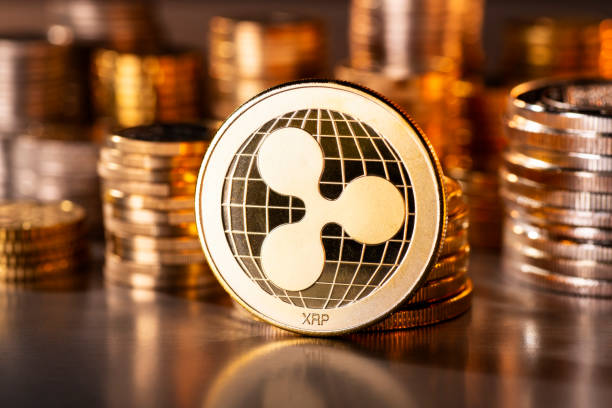
The XRPL has historically maintained low fee levels, but the current dip reflects a broader cooling of on-chain activity seen across several older blockchain protocols. In previous years, spikes in XRPL fees were often associated with the launch of new NFT projects (using the XLS-20 standard) or periods of intense speculative trading. The current baseline of $3,100 in weekly fees suggests a period of stabilization, where the network is primarily being used for its core functions—simple value transfers and trust line adjustments—rather than high-velocity speculative activity.
The Role of Ripple and the Push for Enterprise Adoption
The discussion surrounding XRPL fees cannot be separated from Ripple, the San Francisco-based fintech firm that is the primary contributor to the ledger’s development. Ripple’s business model focuses on utilizing XRP as a "bridge currency" for liquidity in cross-border settlements. For Ripple’s institutional clients, the predictability and low cost of XRPL fees are essential selling points.
Recently, Ripple has expanded its focus beyond simple payments. The company is currently in the process of launching RLUSD, a USD-pegged stablecoin designed for enterprise-grade use. The introduction of a regulated stablecoin on the XRPL is expected to drive a new wave of transactional volume. If RLUSD gains traction among payment providers and market makers, the number of transactions—and by extension, the amount of XRP burned—could see a significant uptick.
Furthermore, Ripple is making strides in the fields of Artificial Intelligence (AI) and decentralized finance. The company recently highlighted the potential for AI agents to use the XRPL for micro-payments, a use case that relies heavily on the network’s ability to process thousands of transactions for negligible costs. In this context, a low-fee environment is a prerequisite for innovation rather than a symptom of stagnation.
Technical Milestones and Future Outlook
While the fee data remains a point of debate, the technical roadmap for the XRPL continues to progress. Several key amendments and infrastructure updates are currently under consideration or in the early stages of deployment:
- EVM Sidechain: The development of an Ethereum Virtual Machine (EVM) compatible sidechain is intended to bring the vast world of Ethereum-based smart contracts to the XRP ecosystem. This could lead to an influx of developers and new decentralized applications (dApps), potentially increasing network activity.
- AMM Integration: The recent activation of the Automated Market Maker (AMM) functionality on the XRPL was a major milestone. While initial adoption has been steady, the long-term goal is to create a robust on-chain liquidity environment that rivals major DeFi hubs.
- Institutional Custody: Ripple’s acquisition of custody providers like Metaco and Standard Custody underscores its commitment to bringing traditional financial institutions onto the blockchain. Institutional usage typically involves high-value settlements that, while few in number, represent significant "real-world" utility.
Implications for Traders and Investors
For those trading XRP, on-chain data like fee burns and transaction counts provide a layer of fundamental analysis that goes beyond price charts. A sustained period of low fees during a market rally might suggest that the price movement is driven more by external factors—such as legal developments in the Ripple vs. SEC case or general market sentiment—than by organic on-chain demand.
Conversely, if fee generation begins to rise alongside the rollout of new features like RLUSD or the EVM sidechain, it would provide tangible evidence of growing ecosystem utility. Investors are increasingly looking for "productive" blockchains that demonstrate a clear path to adoption, and the XRPL’s ability to transition from a pure payment rail to a multi-functional financial hub will be a key factor in its future valuation.
Conclusion: A Data Point, Not a Diagnosis
It is essential to conclude that a dip in daily fees below $400 is a single data point in a much larger and more complex story. It does not indicate that the XRP Ledger is "broken" or that its utility has vanished. Rather, it reflects the current state of a network designed for extreme efficiency in a market that is increasingly focused on the balance between low costs and high activity.
The path forward for the XRPL involves proving that its low-fee model can attract enough volume to offset the low cost per transaction. As Ripple continues to push into stablecoins, AI, and institutional finance, the network’s activity metrics will remain under the microscope. For now, the $400 daily fee serves as a reminder of the XRPL’s unique position in the crypto hierarchy: a veteran blockchain that prioritizes the cost-effectiveness of the user experience over the generation of network revenue. Market participants should continue to monitor explorers like Bithomp and XRPScan, as well as institutional filings and project updates, to determine if this low-fee trend is a temporary lull or the "new normal" for a maturing financial infrastructure.














