


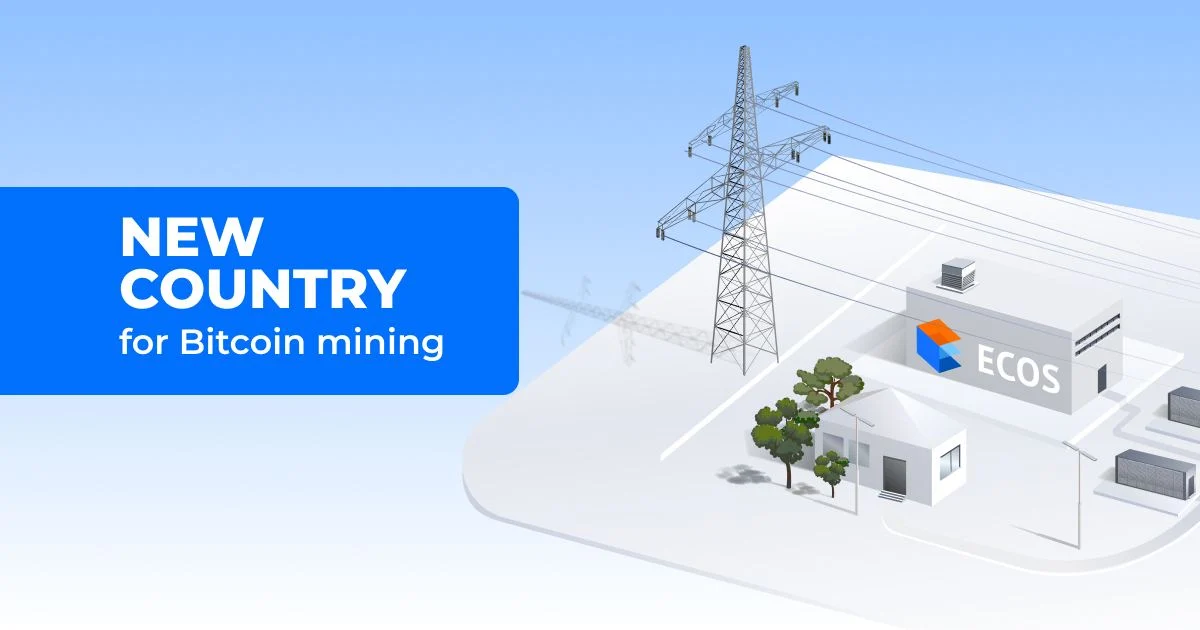
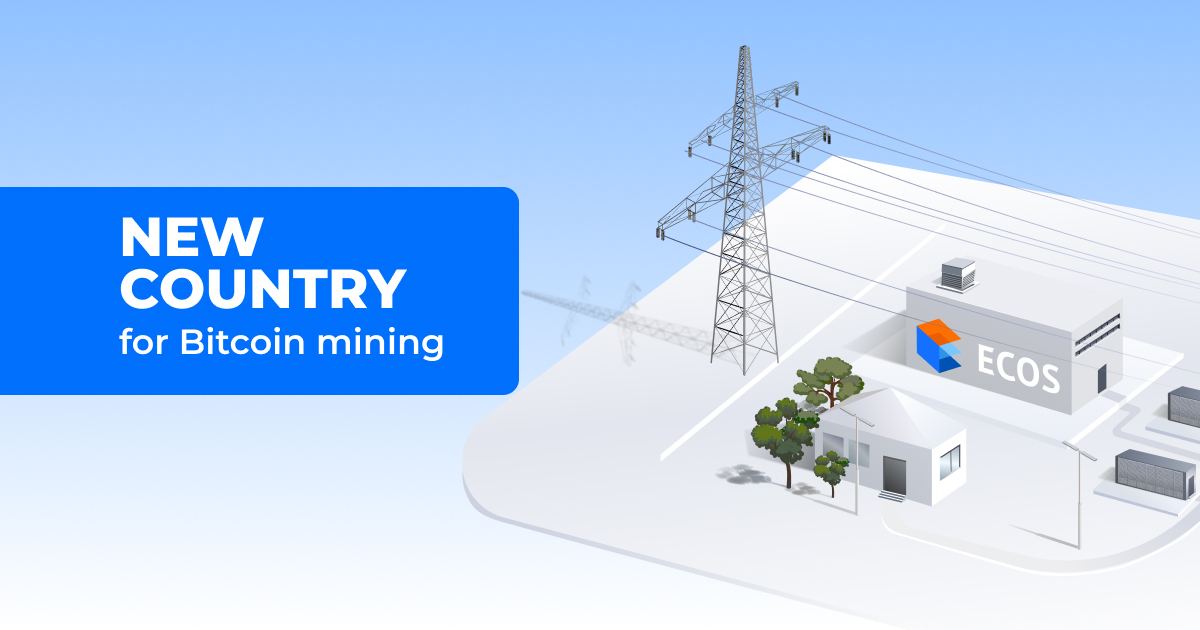
The landscape of global cryptocurrency mining has witnessed a significant shift with the official inauguration of a new 60 MW data center by ECOS, located within the Hrazdan Free Economic Zone (FEZ) in Armenia. This development marks a pivotal expansion for the blockchain infrastructure provider, leveraging a unique public-private partnership with the Armenian government that dates back to 2018. The facility is designed to provide a high-capacity, stable environment for both retail and institutional miners, offering a sophisticated end-to-end ecosystem that integrates hardware procurement, hosting, and cloud mining services. By utilizing the region’s specific climatic advantages and a robust legislative framework, the new data center aims to set a benchmark for operational efficiency and fiscal optimization in the digital asset sector.
The Genesis of Armenia’s Blockchain Ambitions
The launch of the 60 MW facility is not an isolated event but the culmination of a multi-year strategy initiated by the Armenian government to diversify its economy through high-technology sectors. In 2018, the Armenian government officially designated ECOS as the organizer and operator of a dedicated Free Economic Zone focused on the development of blockchain technologies. This mandate was part of a broader legislative push to legalize and regulate the cryptocurrency industry, providing a secure "sandbox" for international investors.
The establishment of the FEZ was intended to attract foreign direct investment and position Armenia as a regional hub for the "Fourth Industrial Revolution." By entrusting ECOS with the management of this zone, the state provided a foundation for the company to build a 250,000-user ecosystem. This historical context is vital to understanding the current expansion; the new data center is built upon a legal and physical infrastructure that has been meticulously prepared over the last six years, ensuring that the project adheres to international compliance standards while benefiting from sovereign protections.
Technical Specifications and Infrastructure Resilience
The newly commissioned data center is situated on a 2.2-hectare plot in Hrazdan, an area strategically chosen for its industrial heritage and proximity to major power generation assets. The current 60 MW capacity is just the first phase of a larger vision, with the company indicating a roadmap to expand the site’s total capacity to 200 MW in the coming years. At its current scale, the facility can accommodate more than 20,000 high-performance mining devices, such as the latest generations of Bitmain Antminers.
A critical component of the facility’s value proposition is its connection to high-voltage power networks. Unlike many mining operations globally that struggle with grid instability or "curtailment" issues, the ECOS data center claims a near 100% uptime. This stability is achieved through direct integration with the national grid, which in Armenia is supported by a mix of nuclear, thermal, and hydroelectric power. The reliability of the power supply is essential for professional mining operations, where even a few hours of downtime can lead to significant revenue loss during periods of high network difficulty.
Furthermore, the physical infrastructure is designed as a self-contained "mining city." The site includes specialized warehouses for equipment storage, a fully equipped service center for hardware repairs, and a continuous supply chain of spare parts. Security is managed by 24/7 armed guards and a permanent staff of technicians, ensuring that the physical assets of international clients are protected against both environmental and human risks.
Climatic Efficiency and Operational Sustainability
One of the most significant overhead costs in cryptocurrency mining is the energy required to cool high-intensity computing hardware. The ECOS facility in Hrazdan addresses this through geographic selection. The region maintains an average annual temperature of approximately 4.8°C (40.6°F). This naturally cool climate allows for the use of "free cooling" techniques—using ambient air to dissipate heat from the miners—rather than relying on energy-intensive industrial air conditioning units.
By minimizing the energy spent on cooling, the facility achieves a lower Power Usage Effectiveness (PUE) ratio. For miners, this translates to lower operational expenses (OPEX) and a higher net profit margin. In an industry where "hash price" (the revenue earned per unit of hashing power) is highly volatile, the ability to maintain low overhead through natural cooling provides a significant competitive advantage over facilities located in warmer climates, such as those in the southern United States or Southeast Asia.
The Fiscal Framework: A 25-Year Tax Holiday
Perhaps the most compelling aspect of the ECOS expansion is the fiscal environment provided by the Free Economic Zone. Under the agreement with the Armenian government, companies operating within the FEZ are granted unprecedented tax exemptions. These include:
- 0% Corporate Income Tax: Allowing companies to reinvest profits without the burden of standard corporate taxation.
- 0% Value Added Tax (VAT): Reducing the cost of services and internal transactions.
- 0% Import and Export Duties: Facilitating the seamless movement of high-tech mining hardware across borders.
- 0% Property and Real Estate Taxes: Lowering the long-term holding costs of the physical infrastructure.
These incentives are guaranteed for a period of 25 years. For institutional investors and large-scale mining operations, this legislative stability is a rarity in the crypto world, where regulatory shifts in countries like Kazakhstan or China have previously forced massive migrations of hardware. The Armenian model provides a long-term horizon that allows for more accurate financial modeling and capital expenditure planning.
The "End-to-End" Service Model for Global Clients
ECOS has positioned itself as more than just a landlord for mining hardware. The company’s "end-to-end" service model is designed to lower the barrier to entry for both retail and institutional participants. This model encompasses the entire lifecycle of a mining operation:
- Procurement: ECOS manages the purchase of equipment directly from manufacturers like Bitmain, leveraging bulk purchasing power to secure lower prices for clients.
- Logistics and Installation: The company handles the shipping, customs clearance within the FEZ, and the technical setup of the machines.
- Maintenance: 24/7 on-site monitoring and a dedicated service center ensure that any hardware failures are addressed immediately.
- Monitoring: Clients can track their hash rate, rewards, and machine status in real-time via a mobile application, providing a level of transparency and control typically associated with traditional financial assets.
Ilya Goldberg, Managing Partner of ECOS, emphasized this focus on accessibility in his recent statement regarding the launch. Goldberg noted that the company has transitioned from the initial legalization phase to a mature infrastructure phase, aiming to offer "simplicity in everything." He highlighted that the bundled product is designed to serve a global clientele, allowing users to manage a complex industrial business from their smartphones.
Broader Impact and Global Market Context
The expansion of ECOS comes at a critical juncture for the global cryptocurrency market. As the industry moves past the "crypto winter" of previous years, there is a renewed focus on "flight to quality"—investors seeking mining jurisdictions that offer both legal certainty and low-cost energy.
The Armenian expansion reflects a broader trend of "hash rate decentralization." Following the 2021 mining ban in China, the global hash rate migrated largely to North America and Central Asia. However, rising energy costs in Europe and regulatory uncertainty in the U.S. have led many operators to seek alternative hubs. With its 60 MW launch and 200 MW potential, Armenia is positioning itself as a primary contender in this global race.
From a macroeconomic perspective, the ECOS data center contributes to Armenia’s technological prestige. It creates high-tech jobs for local engineers and technicians and integrates the country into the global digital economy. The project serves as a case study for how smaller nations can utilize specific legislative tools (like FEZs) to compete with larger economies in the high-growth sector of data processing and blockchain.
Analysis of Implications for the Mining Industry
The success of the Hrazdan facility could signal a shift in how mining infrastructure is developed. By combining state support with industrial-scale energy access and favorable geography, ECOS has created a "moat" that is difficult for smaller, independent data centers to replicate. The 25-year tax guarantee, in particular, addresses one of the primary risks in the crypto industry: regulatory volatility.
For the mining hardware market, the continued expansion of such facilities ensures a steady demand for next-generation ASIC (Application-Specific Integrated Circuit) miners. As ECOS scales toward its 200 MW goal, it will likely become one of the largest single-site operators in the region, potentially influencing the distribution of the Bitcoin network’s total hash rate.
In conclusion, the launch of the 60 MW ECOS data center in Armenia represents a significant milestone for the company and the host nation. It demonstrates a sophisticated approach to digital asset mining that prioritizes legal stability, energy efficiency, and user accessibility. As the blockchain industry continues to mature, facilities that offer this level of integrated, state-backed infrastructure are likely to become the preferred destination for the next wave of global mining capital. For ECOS, the Hrazdan site is not just a data center; it is a statement of intent regarding the future of decentralized computing in Eurasia.














