


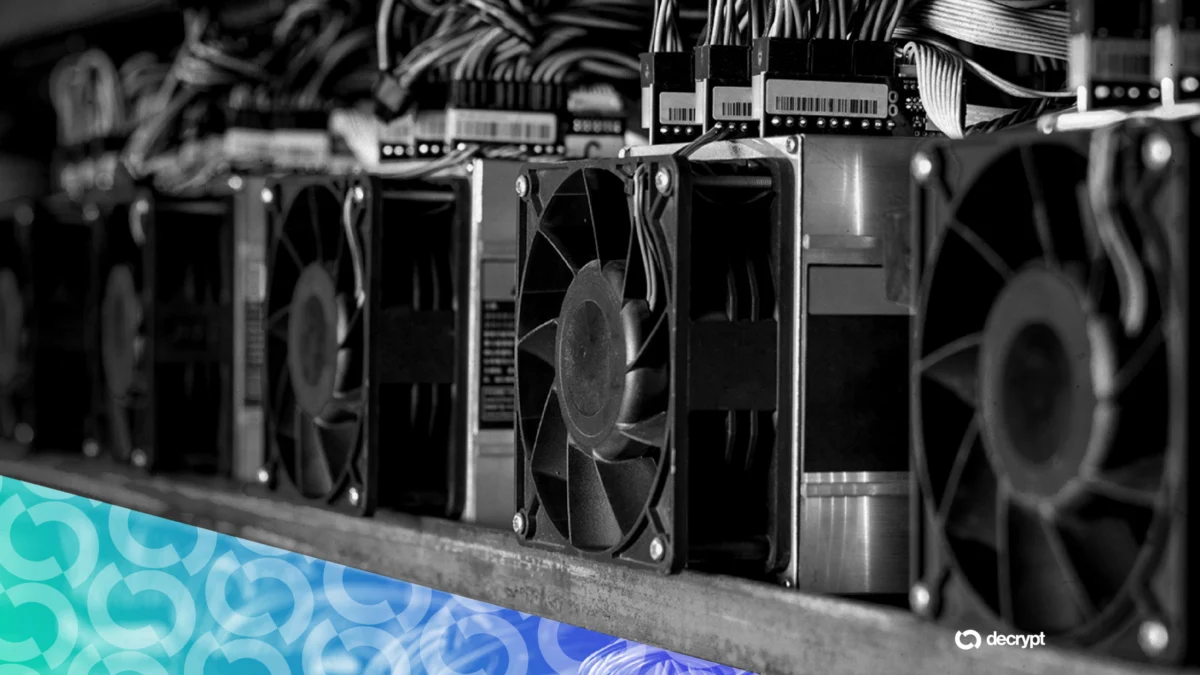
Nvidia, the world’s leading designer of graphics processing units (GPUs) and AI computing platforms, has forged a landmark strategic partnership with IREN Limited, a company that has rapidly evolved from a Bitcoin mining firm into a prominent AI compute provider. The deal, announced late Thursday, centers on the deployment of up to 5 gigawatts (GW) of cutting-edge AI infrastructure, a monumental undertaking poised to significantly accelerate the global buildout of artificial intelligence capabilities. This collaboration underscores the escalating demand for high-performance computing resources and the critical role of specialized infrastructure providers in facilitating the AI revolution.
A Strategic Alliance for AI at Scale
The cornerstone of this ambitious partnership is the extensive deployment of Nvidia’s advanced DSX architecture across IREN’s expanding global data center pipeline. The initial phase of this massive rollout is slated to commence at IREN’s sprawling 2-gigawatt Sweetwater campus located in Texas, a region increasingly recognized for its favorable conditions for large-scale data center operations, including access to affordable land and diverse energy sources. The DSX architecture, a cornerstone of Nvidia’s strategy for data center-scale AI, is designed to enable the creation of "AI factories" – highly optimized, integrated systems capable of handling the most demanding AI workloads, from large language model training to complex scientific simulations. This architecture integrates Nvidia’s powerful GPUs, high-speed networking solutions like InfiniBand and Spectrum Ethernet, and a comprehensive software stack, ensuring seamless and efficient operation at unprecedented scales.
The financial and structural components of the agreement are multifaceted, reflecting a deep strategic alignment between the two companies. As part of the deal, Nvidia has secured a five-year option to purchase up to 30 million IREN shares at a price of $70 per share. This equity option signifies Nvidia’s long-term commitment and confidence in IREN’s capabilities and future growth trajectory within the AI infrastructure sector. Beyond the equity arrangement, IREN will provide Nvidia with managed GPU cloud services valued at $3.4 billion over a five-year period. These services are earmarked for Nvidia’s internal AI development and extensive research workloads, effectively securing a substantial portion of Nvidia’s future compute needs without the full capital expenditure and operational burden of building and managing all the infrastructure itself. This arrangement highlights a growing trend where leading AI companies are increasingly relying on specialized partners to deliver and manage the vast computational resources required for their innovations.
Leadership Perspectives on the Future of AI Infrastructure
Jensen Huang, founder and CEO of Nvidia, articulated the profound significance of this partnership, stating, "AI factories are becoming foundational infrastructure for the global economy. Deploying these systems at scale requires deep integration across the full stack—compute, networking, software, power, and operations. IREN brings the scale and infrastructure expertise to help accelerate the buildout of next-generation AI infrastructure globally." Huang’s comments underscore Nvidia’s vision of AI factories as essential utilities for national and economic competitiveness, emphasizing the necessity of a holistic approach that integrates every layer of the technology stack with robust operational capabilities.
Daniel Roberts, co-founder and co-CEO of IREN, echoed this sentiment, remarking in a statement that the partnership "combines Nvidia’s AI systems and architecture leadership with IREN’s expertise across power, land, data centers, GPU deployment, and infrastructure operations." Roberts’ statement highlights the synergistic nature of the collaboration, leveraging Nvidia’s technological prowess with IREN’s practical, large-scale deployment and operational expertise. This confluence of capabilities is designed to overcome the significant challenges associated with deploying AI infrastructure at the gigawatt scale, including site selection, power procurement, cooling, and the complex logistics of hardware installation and maintenance.
IREN’s Transformative Journey: From Bitcoin Mining to AI Powerhouse
The strategic pivot undertaken by IREN Limited (formerly Iris Energy) provides crucial background context to this momentous deal. Initially established as a Bitcoin mining operation, IREN built its early business model around leveraging cost-effective energy sources to power cryptocurrency mining activities. However, the volatile nature of cryptocurrency markets, fluctuating Bitcoin prices, and the increasing energy demands and environmental scrutiny associated with mining operations prompted a strategic reevaluation for many firms in the sector.
IREN, like several of its peers, recognized the burgeoning demand for high-performance computing driven by the rapid advancements in artificial intelligence. The underlying infrastructure required for Bitcoin mining – large-scale data centers, significant power procurement capabilities, and robust cooling systems for high-density compute – proved remarkably transferable to the needs of AI workloads. This foresight enabled IREN to strategically reposition itself as a provider of AI compute infrastructure, capitalizing on its existing assets and operational expertise. This transformation exemplifies a broader trend within the digital infrastructure industry, where companies are adapting their core competencies to meet the insatiable appetite for AI processing power. The transition has not been without its challenges, including significant capital investments in new hardware and a shift in technical and operational focus, but the Nvidia partnership validates IREN’s strategic direction.
Expanding Global Footprint to Meet Gigawatt Demands
To support the immense scale of the Nvidia deployment and its broader commitments, IREN has been aggressively expanding its infrastructure footprint. A significant development in this regard is the company’s agreement to acquire Ingenostrum (Nostrum Group), a Spain-based data center developer. This acquisition is set to add 490 megawatts of grid-connected power capacity in Spain to IREN’s portfolio, marking a crucial step in its European expansion strategy.
With this strategic acquisition, IREN’s total power portfolio now reaches an impressive 5 gigawatts, precisely matching the planned scale of the Nvidia infrastructure deployment. This expanded capacity is not only vital for delivering on the Nvidia partnership but also positions IREN to fulfill its existing commitments to other major technology companies, further solidifying its role as a global player in AI infrastructure. The move into Spain provides geographical diversification, access to European markets, and potentially new sources of renewable energy, aligning with the increasing focus on sustainable computing.
Market Reaction and Financial Implications
The announcement sent immediate ripples through the financial markets. IREN shares surged dramatically in after-hours trading on Thursday, spiking above the $72 mark after closing the regular session at $56.85. This initial euphoria, however, saw some moderation after IREN subsequently released its quarterly earnings report late Thursday, which revealed a substantial earnings miss in Q1, reporting a net loss of $247.8 million. Despite the earnings setback, IREN shares showed resilience, trading up approximately 3% on the day at a recent price of $58.60, reflecting the market’s long-term optimism about the Nvidia deal. Analysts at investment bank Bernstein quickly reacted to the news, setting a $100 price target on IREN shares, indicating a strong belief in the company’s future value proposition stemming from these strategic partnerships.
Nvidia’s stock, meanwhile, continues its remarkable ascent, hovering near an all-time high, recently trading above $215 per share. NVDA shares have demonstrated extraordinary growth, jumping by an impressive 83% over the last year, according to Yahoo Finance. This strong performance underscores Nvidia’s dominant position in the AI hardware and software ecosystem, enabling it to pursue such large-scale strategic investments and partnerships to further solidify its market leadership.
IREN’s Growing AI Infrastructure Empire and the Competitive Landscape
The partnership with Nvidia is not an isolated event but rather the latest in a series of high-value agreements that have rapidly cemented IREN’s status as a critical intermediary in the AI compute supply chain. In November 2025, IREN entered into a significant agreement with Microsoft for $9.7 billion in GPU cloud infrastructure, which will be powered by Nvidia GB300 GPUs at its Childress, Texas data center. This deal also included a $5.8 billion purchase agreement with Dell Technologies for the necessary computing equipment, illustrating the complex web of partnerships required to build out hyperscale AI capabilities.
With commitments now exceeding an astonishing $15 billion across its Nvidia and Microsoft partnerships, IREN has indisputably emerged as a major player in global AI infrastructure deployment. This scale of commitment highlights the escalating demand for dedicated compute capacity, positioning companies like IREN as indispensable partners for both chip manufacturers and enterprise customers. These infrastructure providers effectively act as the "picks and shovels" of the AI gold rush, building and operating the foundational hardware and data centers upon which the entire AI industry relies.
The Nvidia-IREN deal also reflects an intensifying competition for AI compute infrastructure across the industry. Other firms, many of whom also originated in the Bitcoin mining sector, are similarly pivoting and securing multi-billion-dollar deals. For instance, Hut 8 recently signed a substantial $9.8 billion AI data center lease, a move that pushed its stock price to all-time highs. Similarly, companies like Core Scientific and Terawulf have inked multi-billion-dollar compute deals with various AI giants, showcasing the broad industry trend towards massive outsourcing of AI infrastructure. This competitive environment underscores the strategic importance of securing robust partnerships and scaling capabilities rapidly to meet the unprecedented demand.
Broader Implications and Future Outlook
The implications of this partnership are far-reaching, impacting Nvidia, IREN, and the broader artificial intelligence industry. For Nvidia, securing such massive, dedicated infrastructure through IREN ensures the continued, accelerated deployment of its cutting-edge AI systems, further strengthening its market dominance and fostering the growth of its ecosystem. It provides Nvidia with guaranteed access to the computational horsepower needed for its own internal R&D and for supporting its vast customer base.
For IREN, the deal solidifies its strategic pivot away from Bitcoin mining and firmly establishes it as a critical node in the global AI supply chain. The long-term revenue streams from Nvidia, coupled with the equity option, provide significant financial stability and validate its business model. The acquisition of Ingenostrum further enhances its global reach and power capacity, positioning it for sustained growth.
For the AI industry as a whole, this partnership signifies an acceleration of AI deployment and innovation. The increasing importance of specialized data centers and the continuous demand for high-performance computing will drive further investment and technological advancements in infrastructure. However, it also brings into focus challenges such as energy consumption, with gigawatt-scale deployments requiring substantial power resources and potentially driving innovation in renewable energy integration and energy efficiency. The sheer scale of these "AI factories" also raises questions about their environmental impact, regulatory oversight, and the broader economic effects, including job creation and regional development in the areas hosting these massive data centers. As AI continues to evolve at an exponential pace, the strategic alliances forming within the infrastructure layer will undoubtedly play a pivotal role in shaping its future trajectory.














