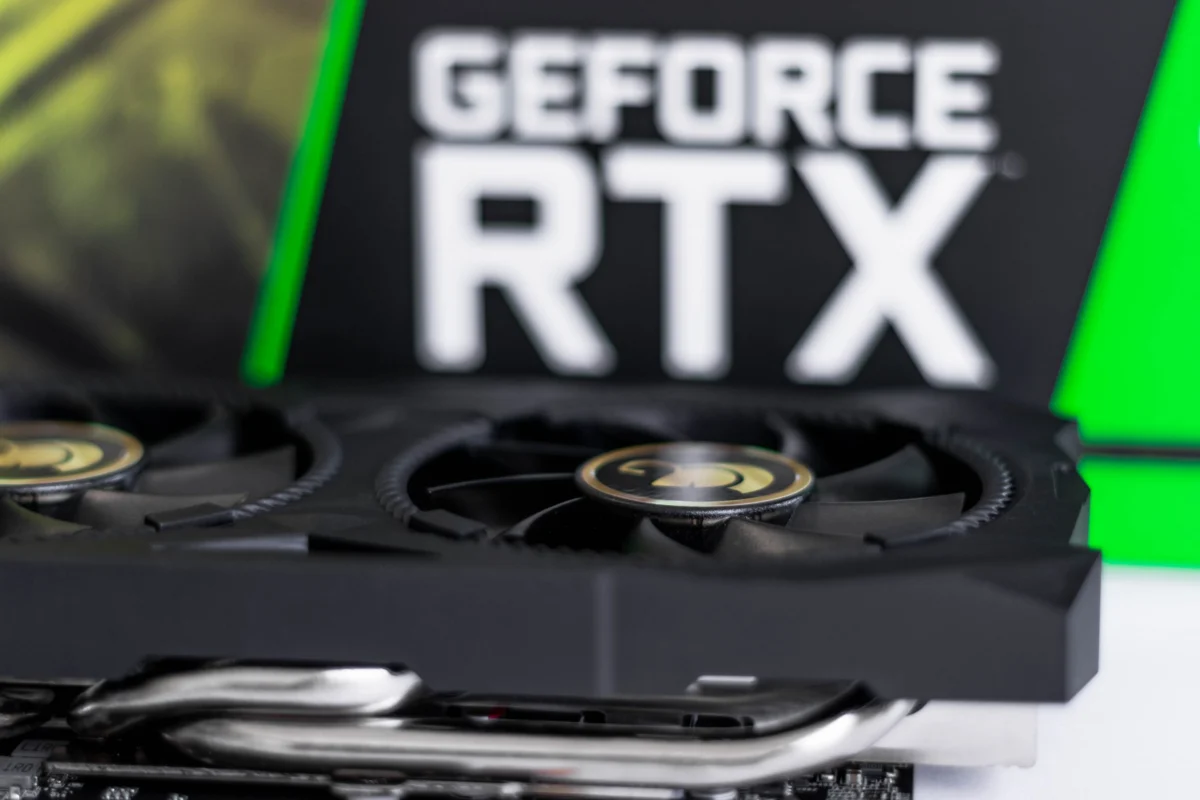
The landscape of the global graphics processing unit (GPU) market is undergoing a seismic shift as Chinese cryptocurrency miners begin offloading vast quantities of hardware following a series of aggressive regulatory crackdowns by Beijing. Reports from secondary marketplaces in mainland China indicate that high-demand cards, such as the Nvidia GeForce RTX 3060, are being listed for as low as $270, a price point significantly below the manufacturer’s suggested retail price (MSRP) and a fraction of the inflated costs seen during the height of the 2021 mining boom. This mass liquidation event marks a turning point in the relationship between the semiconductor industry and the digital asset sector, signaling the end of an era for industrial-scale mining within Chinese borders.
The Regulatory Catalyst: Beijing’s Final Stand Against Mining
The current influx of used GPUs into the secondary market is not a random market fluctuation but the direct result of a coordinated effort by the Chinese government to eradicate cryptocurrency mining and trading. For years, China was the undisputed global hub for Bitcoin mining, at one point accounting for over 65% of the global hash rate. This dominance was driven by access to inexpensive hydroelectric power in provinces like Sichuan and coal-fired energy in Inner Mongolia.
However, the tide turned sharply in mid-2021. The Chinese State Council, led by Vice Premier Liu He, announced a stringent crackdown on Bitcoin mining and trading activities, citing concerns over financial stability, illegal capital outflows, and the environmental impact of energy-intensive mining operations. This was followed by a series of provincial-level bans. Inner Mongolia was the first to implement a "clean-up" of mining projects, followed by Xinjiang, Qinghai, and Yunnan. The final blow came when Sichuan—a region previously considered a safe haven due to its surplus of renewable energy—ordered power companies to cease supplying electricity to known mining facilities.
Faced with the total loss of operational capacity, Chinese miners were left with two choices: relocate their entire infrastructure to crypto-friendly jurisdictions like Kazakhstan, Russia, or the United States, or liquidate their hardware to recoup capital. While larger, well-funded operations have initiated the "Great Mining Migration," smaller and medium-sized miners have opted for the latter, flooding the market with used components.
Hardware in the Crosshairs: A Detailed Look at the Liquidation
The scale of the sell-off is unprecedented. Thousands of GPUs from both Nvidia and AMD are appearing on second-hand platforms such as Xianyu, an Alibaba-owned used goods marketplace. The listings span multiple generations of hardware, including the latest Ampere (Nvidia 30-series) and RDNA2 (AMD 6000-series) architectures, as well as older but still functional Pascal and Polaris generations.
Specific pricing data reveals the desperation of some sellers. The Nvidia RTX 3060, a card that previously commanded prices upwards of $800 on the black market due to supply shortages, has been spotted for approximately $270 per unit. Higher-tier cards are also seeing dramatic price cuts; the RTX 3070 and RTX 3060 Ti are being listed for roughly $400 and $350, respectively. In a more unusual development, some miners are even selling specialized "mining laptops" equipped with RTX 3060 mobile GPUs for around $1,000. These laptops were manufactured during the peak of the shortage when desktop cards were unavailable, serving as a makeshift solution for small-scale farms.
However, there is a significant caveat for potential buyers. These cards are rarely sold as individual units. Most sellers are demanding bulk purchases, requiring buyers to acquire between 100 and 200 units per transaction. This bulk-only model is designed to clear out entire warehouses quickly, but it limits the pool of buyers to wholesale distributors or international exporters, rather than individual gamers looking for a single upgrade.
The Hidden Costs: Technical Risks of Mining-Used GPUs
While the low prices are enticing, industry experts warn that these GPUs come with significant risks. Cryptocurrency mining is an intensive process that involves running hardware 24 hours a day, seven days a week, often under heavy load. To maximize efficiency, many miners "overclock" the video memory (VRAM) while "undervolting" the core clock.
The long-term impact of this continuous operation includes:

- Thermal Degradation: Constant heat exposure can cause the thermal paste between the GPU die and the heatsink to dry out, leading to higher operating temperatures. More critically, the thermal pads on the VRAM modules often leak silicone oil or lose effectiveness, which can lead to hardware failure.
- Mechanical Wear: The cooling fans on these cards are rated for a certain number of hours. In a mining environment, fans are often run at 80% to 100% speed indefinitely, meaning many of the units currently on sale may have fans nearing the end of their lifespan.
- Bios Modifications: Many miners flash custom BIOS firmware onto their cards to optimize hash rates for specific algorithms like Ethash. If a buyer does not know how to flash the original gaming BIOS back onto the card, they may experience instability, driver issues, or reduced performance in gaming applications.
Despite these risks, the sheer volume of cards entering the market is putting downward pressure on prices globally. As supply exceeds demand in the used sector, the "trickle-up" effect is beginning to stabilize prices in the new retail market as well.
Global Market Implications and the "Great Easing"
The influx of used Chinese GPUs coincides with a broader easing of the global semiconductor shortage. For nearly two years, the "perfect storm" of COVID-119-related supply chain disruptions, increased demand for home electronics, and the crypto-mining craze kept GPU prices at 200% to 300% of MSRP.
Recent data suggests that the market is finally correcting. In major European markets like Germany and Austria, retail prices for new GPUs have seen a steady decline, with some reports indicating a 40% drop from their peak. The sudden availability of thousands of used units from China acts as an accelerant to this trend. Even if gamers are hesitant to buy used mining cards, the fact that miners are no longer competing with consumers for new stock allows retail inventory to remain on shelves longer, forcing retailers to lower prices to move units.
Furthermore, the shift in the Ethereum network is playing a pivotal role. Ethereum, the second-largest cryptocurrency and the primary driver of GPU mining demand, is transitioning from a Proof-of-Work (PoW) consensus mechanism to Proof-of-Stake (PoS). This transition, often referred to as "The Merge," will effectively eliminate the need for GPU mining on the Ethereum network. Nvidia CEO Jensen Huang has acknowledged this shift, noting in recent industry discussions that the availability of GPUs for gamers is expected to improve significantly as the crypto-specific demand wanes.
The Rise of the Digital Yuan
China’s decision to purge its mining sector is not solely about energy or financial risk; it is also a strategic move to clear the path for the Digital Yuan (e-CNY). As the People’s Bank of China (PBOC) ramps up testing of its central bank digital currency (CBDC), the government seeks to eliminate any domestic competition from decentralized cryptocurrencies.

By removing the mining infrastructure and making it difficult to trade Bitcoin, Beijing is consolidating control over the digital payments ecosystem. The void left by Bitcoin is being filled by state-sponsored trials in major cities like Shenzhen, Shanghai, and Beijing, where the Digital Yuan is being integrated into public transportation, retail, and government services. This transition ensures that the "digitalization" of the Chinese economy remains under the strict purview of the central government, free from the volatility and anonymity associated with traditional crypto assets.
Future Outlook: Where Do the Miners Go?
The exodus of miners from China has resulted in a global redistribution of the Bitcoin hash rate. The United States has emerged as a primary beneficiary, with states like Texas and Georgia offering favorable regulatory environments and access to stranded energy assets. Kazakhstan and Canada have also seen significant increases in mining activity, though Kazakhstan has recently faced its own challenges with energy stability and tax hikes on miners.
For the GPU market, the era of extreme scarcity appears to be ending. While the used cards flooding out of China carry the "scar tissue" of 24/7 operation, their presence marks a return to a more balanced supply-and-demand dynamic. Gamers, who have been priced out of the market for years, are finally seeing a path toward affordable upgrades.
As of the current market update, Bitcoin continues to trade in a volatile range, struggling to maintain support above the $33,000 to $35,000 level. The lack of a strong recovery in the price of BTC further disincentivizes new mining investments, ensuring that the flood of used hardware will likely continue for the foreseeable future. The "mining gold rush" in China has concluded, leaving behind a legacy of hardware that is now finding its way into the hands of a global audience at prices previously thought impossible.