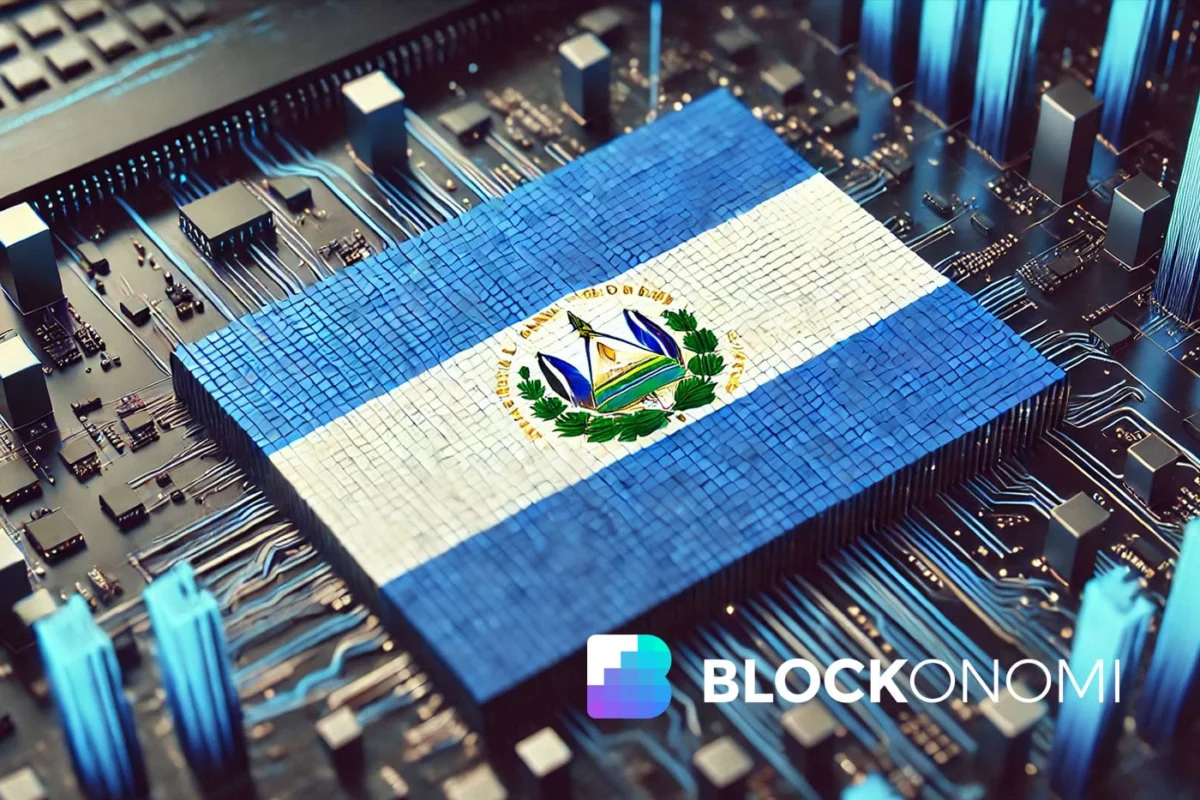
San Salvador, El Salvador – El Salvador has once again increased its national Bitcoin treasury, adding eight more BTC during the past week to bring its total holdings to 7,696.37 BTC. This latest acquisition reinforces the Central American nation’s consistent accumulation strategy, a policy that continues to draw significant global attention as governments and financial institutions increasingly scrutinize sovereign digital asset reserves. The country’s Ministry of Finance officially confirmed the purchase, which elevates its Bitcoin reserves to a value exceeding $461 million, based on prevailing market rates. This methodical approach to accumulating Bitcoin sets El Salvador apart as a unique player in the global financial landscape, steadily expanding its digital asset portfolio despite fluctuating market conditions and ongoing international scrutiny.
The regular weekly purchases have become a hallmark of El Salvador’s treasury management, a strategy initiated following its groundbreaking decision in September 2021 to adopt Bitcoin as legal tender. This move, championed by President Nayib Bukele, positioned El Salvador as the first and, to date, only sovereign nation to embrace a cryptocurrency in such a profound capacity. The country’s Bitcoin Office plays a crucial role in tracking and transparently reporting these holdings, making El Salvador one of the most closely observed sovereign entities in the burgeoning digital asset space.
A Deep Dive into El Salvador’s Bitcoin Journey and Strategy
El Salvador’s journey into Bitcoin began with the passage of the Bitcoin Law in June 2021, which officially came into effect on September 7, 2021. The rationale behind this unprecedented move was multifaceted, primarily aimed at boosting financial inclusion for its largely unbanked population, facilitating cheaper and faster remittances (which account for a significant portion of the nation’s GDP), attracting foreign investment, and stimulating economic growth. President Bukele envisioned Bitcoin as a tool to modernize the economy, reduce dependence on the US dollar (though the dollar remains legal tender), and establish El Salvador as a hub for innovation in the digital age.
The government introduced the Chivo wallet, a state-backed digital wallet designed to facilitate Bitcoin transactions, offering a $30 Bitcoin bonus to citizens who adopted it. Alongside this, infrastructure was developed to support Bitcoin usage, including the installation of Chivo ATMs across the country. While the initial rollout faced technical glitches and mixed public reception regarding its everyday use, the government’s commitment to its Bitcoin vision remained unwavering, particularly concerning its national treasury strategy.
The accumulation of Bitcoin in the national treasury operates on a "dollar-cost averaging" (DCA) principle. This strategy involves making regular, fixed-amount purchases of an asset over time, regardless of its price fluctuations. The goal is to mitigate the risk associated with market volatility by averaging out the purchase price over a longer period, rather than attempting to time the market. For a sovereign nation, this methodical approach lends a layer of prudence to an otherwise volatile asset, signaling a long-term conviction in Bitcoin’s value proposition. El Salvador’s consistent weekly acquisitions, irrespective of short-term price movements, underscore this commitment to a gradual, strategic buildup of its digital reserves.
Chronology of Key Developments and Accumulation
- June 5, 2021: President Nayib Bukele announces plans to make Bitcoin legal tender at the Bitcoin 2021 conference in Miami.
- June 9, 2021: El Salvador’s Legislative Assembly passes the Bitcoin Law, making it the world’s first country to adopt Bitcoin as legal tender.
- September 7, 2021: The Bitcoin Law officially comes into effect. El Salvador makes its first major purchase of 400 BTC, initiating its national treasury holdings. This day is marked by both excitement and some public protests.
- Late 2021 – Early 2022: The country continues to make opportunistic purchases during market dips, famously "buying the dip" during periods of price volatility. President Bukele often announces these purchases via X (formerly Twitter).
- Q3 2022 – Q1 2023: Despite a significant downturn in the cryptocurrency market (the "crypto winter"), El Salvador maintains its Bitcoin holdings and continues its accumulation strategy, albeit at a slower pace during some periods. The government reiterates its long-term belief in Bitcoin.
- Early 2024: As the crypto market shows signs of recovery, spurred by events like the approval of spot Bitcoin ETFs in the United States, El Salvador’s consistent accumulation strategy becomes more pronounced.
- Recent Weeks (Leading up to latest announcement): El Salvador solidifies its commitment to weekly Bitcoin purchases, integrating it as a routine aspect of its treasury management.
- Latest Update (June 28, 2024, as inferred from tweet date): Acquisition of 8 additional BTC, bringing total holdings to 7,696.37 BTC, valued at over $461 million.
This timeline illustrates a consistent, albeit sometimes opportunistic, commitment to Bitcoin as a national asset, demonstrating a strategic resilience that has largely ignored the short-term market noise and international skepticism.
Supporting Data and Economic Context
The total current holdings of 7,696.37 BTC represent a significant asset for El Salvador, a nation with a GDP of approximately $32 billion (as of 2022). While not a dominant portion of its national wealth, it signifies a substantial and growing commitment to an alternative asset class. The value of these holdings fluctuates directly with Bitcoin’s price, introducing an element of volatility to the nation’s balance sheet. However, proponents argue that this volatility is balanced by Bitcoin’s potential for long-term appreciation and its role as a hedge against traditional economic pressures and currency devaluation.
Remittances remain a critical component of El Salvador’s economy, accounting for over 20% of its GDP. While the adoption of Bitcoin for remittances has faced challenges, including user education and the stability of the Chivo wallet, the potential for lower transaction fees and faster transfers compared to traditional methods continues to be a driving force behind the government’s digital asset strategy. Official figures suggest a modest but growing portion of remittances are now processed via Bitcoin.
Beyond remittances, El Salvador has actively sought to leverage its Bitcoin adoption to attract foreign investment and tourism. The "Bitcoin Beach" initiative in El Zonte, where Bitcoin adoption was piloted, has seen an increase in tourism interest. Furthermore, the government has offered incentives for crypto investors and entrepreneurs, including tax exemptions and streamlined residency processes. While comprehensive long-term data on the full economic impact is still emerging, these initiatives represent a concerted effort to diversify and modernize the national economy.

El Salvador Maintains Bitcoin Strategy Despite IMF Reforms
The latest Bitcoin acquisition gains additional context following recent legislative adjustments in El Salvador, which were made in agreement with the International Monetary Fund (IMF). The IMF has consistently expressed concerns regarding El Salvador’s Bitcoin Law, citing potential risks to financial stability, consumer protection, and the integrity of the financial system. The IMF’s recommendations have often urged El Salvador to scale back Bitcoin’s legal tender status.
In response to these discussions, El Salvador revised certain aspects of its Bitcoin legislation. The key amendment focused on Bitcoin’s role in everyday commercial activity: private businesses are no longer explicitly required to accept Bitcoin as payment. This change aimed to address some of the IMF’s concerns and streamline commercial operations for businesses that found compliance challenging. However, it is crucial to note that Bitcoin unequivocally remains part of the country’s legal structure, and the government’s stance on its legal tender status has not fundamentally shifted.
Significantly, while the payment policy has evolved, the national treasury’s Bitcoin accumulation strategy has continued without interruption. Official reserve data unequivocally demonstrates that the government’s Bitcoin holdings have grown steadily through regular acquisitions, entirely separate from the legislative amendments concerning its use in private commercial transactions. This distinction highlights a sophisticated approach: the government is willing to adapt certain operational aspects of Bitcoin’s integration into the economy while maintaining a steadfast, long-term commitment to Bitcoin as a strategic national asset. The reserve policy now operates with a clearer separation from Bitcoin’s role as an optional payment method, emphasizing its function as a store of value and a component of the national treasury.
Official Responses and International Reactions
President Nayib Bukele has been the most vocal proponent of El Salvador’s Bitcoin strategy. His public statements, often delivered through X, consistently project confidence in Bitcoin’s future and its transformative potential for the nation. He frequently highlights the country’s accumulation efforts and challenges critics to acknowledge the long-term vision. The Ministry of Finance and the Bitcoin Office have maintained a transparent reporting mechanism for the holdings, underscoring the government’s commitment to accountability in this novel economic experiment.
Within the global cryptocurrency community, El Salvador’s actions are largely celebrated as a pioneering effort. Prominent crypto analysts and influencers, such as "Whale Factor" and "That Martini Guy" (as referenced in the original social media posts), have lauded El Salvador’s "relentless DCAing" into Bitcoin, often contrasting it with the cautious or outright skeptical approaches of other governments. They view El Salvador as a model for how sovereign nations could potentially de-risk their treasuries from fiat inflation and embrace a decentralized future.
Conversely, international financial institutions like the IMF and the World Bank have maintained a more reserved, often critical, stance. Their concerns typically revolve around Bitcoin’s volatility, its potential for illicit financial activities, the lack of robust regulatory frameworks, and the potential impact on macroeconomic stability. While engaging in dialogue, these institutions have generally advised against widespread Bitcoin adoption as legal tender, recommending a more cautious and regulated approach to digital assets. This divergence in perspective underscores the experimental nature of El Salvador’s policy and the ongoing debate surrounding the role of cryptocurrencies in national economies.
Broader Impact and Implications
El Salvador’s sustained Bitcoin accumulation strategy carries profound implications, both domestically and internationally. Domestically, it represents a bold economic gamble that, if successful, could provide a blueprint for other developing nations seeking to leverage digital assets for economic growth and financial independence. The long-term appreciation of its Bitcoin holdings could significantly bolster the nation’s financial reserves, potentially funding public services or infrastructure projects. It also positions El Salvador as a global leader in Bitcoin adoption, attracting talent and investment in the nascent blockchain industry. However, the risks associated with Bitcoin’s inherent price volatility remain substantial, posing potential challenges to fiscal stability if prices were to experience a prolonged downturn.
Internationally, El Salvador’s experiment serves as a living laboratory for the integration of cryptocurrencies into a national economy. Its experience provides valuable data for policymakers, economists, and technologists worldwide. The country’s persistence, even in the face of international pressure and market fluctuations, challenges traditional notions of monetary policy and sovereign wealth management. It forces a re-evaluation of what constitutes a stable and viable national reserve asset in an increasingly digitized global economy.
Furthermore, El Salvador’s strategy contributes to the broader narrative of financial sovereignty. By accumulating a decentralized, permissionless asset like Bitcoin, the nation potentially reduces its reliance on traditional financial systems and institutions, which are often perceived as being influenced by geopolitical interests. This move could inspire other nations, particularly those in the Global South, to explore similar avenues to assert greater control over their economic destinies.
The distinction now visible between Bitcoin’s optional role as a payment method and its continued growth as a national treasury asset suggests a pragmatic evolution of El Salvador’s strategy. This separation allows the country to mitigate some of the immediate operational and regulatory challenges associated with widespread mandatory adoption, while steadfastly pursuing its long-term vision for Bitcoin as a strategic reserve. Each weekly purchase not only adds to El Salvador’s sovereign Bitcoin position but also reinforces its long-term reserve strategy, solidifying its place among the world’s most closely followed government Bitcoin reserves. The world continues to watch El Salvador’s unique economic experiment with keen interest, as it navigates the uncharted waters of sovereign Bitcoin integration.