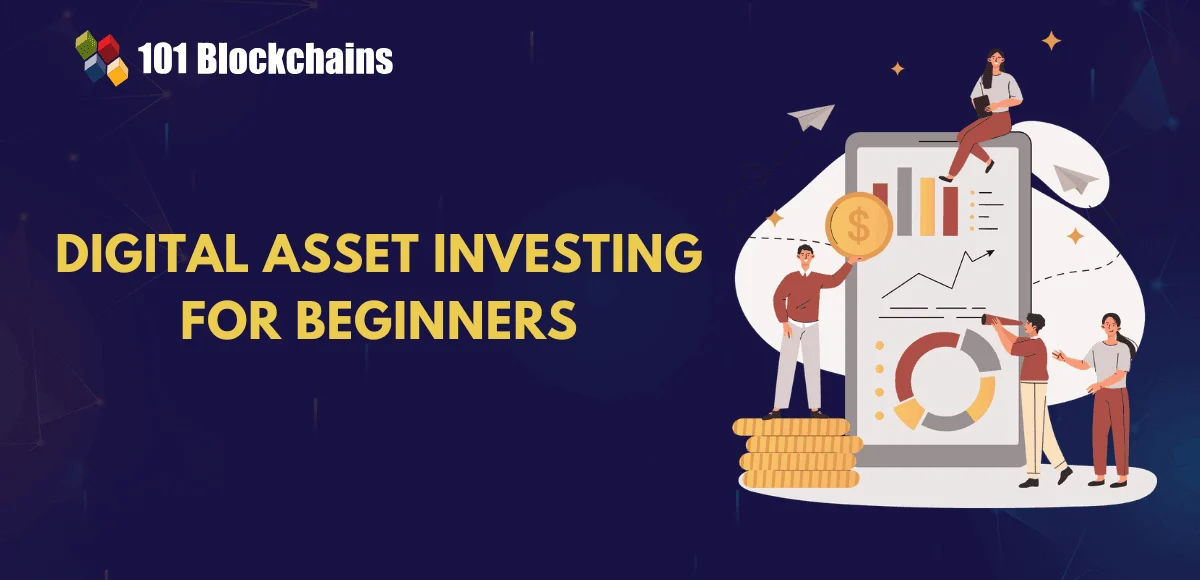
The definition of investment has undergone a profound transformation following the advent of digital assets, presenting both unprecedented opportunities and complex challenges. Investors can now capitalize on a diverse array of digital assets to strategically diversify their portfolios, thereby increasing their exposure to an innovative and rapidly evolving market. However, for newcomers and seasoned professionals alike, understanding the nuances of these assets and adopting robust, safer investment strategies, underpinned by a strong grasp of compliance, is paramount. Professionals looking to lead this charge can step into the future of finance by becoming a Certified Digital Asset Compliance Expert (CDACE)™, leading with confidence in crypto compliance, auditing, and governance.
The digital asset market has witnessed exponential growth, marked by a substantial rise in institutional interest and mainstream adoption. Yet, this burgeoning market is not without its inherent challenges, with the most significant risks stemming from vulnerabilities related to security, regulatory uncertainty, and market volatility. Anyone aspiring to become a successful digital asset investor, trader, or even a professional within this space must possess a deep understanding of the market’s dynamics and the best practices required to navigate it with confidence and integrity.
The Evolution of Investment: A Brief Chronology of Digital Assets
The concept of investment has been continually reshaped by technological advancements, but few have been as disruptive as the emergence of digital assets. The genesis of this revolution can be traced back to 2008, with the publication of Satoshi Nakamoto’s whitepaper "Bitcoin: A Peer-to-Peer Electronic Cash System," laying the groundwork for the first decentralized cryptocurrency. January 2009 saw Bitcoin’s launch, offering an alternative to traditional financial systems in the wake of the global financial crisis.
The ecosystem began to diversify significantly with the launch of Ethereum in 2015. Ethereum introduced smart contracts, programmable agreements on the blockchain, which paved the way for a vast array of decentralized applications (dApps), initial coin offerings (ICOs), and eventually, the entire decentralized finance (DeFi) movement. The 2017 ICO boom marked a period of intense speculation, drawing immense capital but also highlighting significant regulatory gaps and leading to numerous scams, which prompted increased scrutiny from global regulators.
By 2020, the "DeFi Summer" showcased the potential of decentralized lending, borrowing, and trading platforms, demonstrating real-world utility beyond speculative trading. This was swiftly followed by the 2021 surge in Non-Fungible Tokens (NFTs), bringing digital ownership of art, collectibles, and gaming assets into the mainstream consciousness and attracting a new wave of participants to the digital asset space. Concurrently, institutional interest soared, with major financial institutions, corporations, and even sovereign wealth funds beginning to explore and allocate capital to digital assets, signaling a maturing market. This rapid evolution underscores the critical need for expertise in compliance, auditing, and governance, as epitomized by certifications like the CDACE™.
What Exactly Qualifies as Investing in Digital Assets?
A common misconception is that "digital assets" are synonymous with "cryptocurrencies." While cryptocurrencies like Bitcoin and Ethereum often dominate headlines, the digital asset landscape is far more expansive. It encompasses a broad spectrum of digital representations of value or rights, each with distinct characteristics and investment profiles.
Beyond well-known cryptocurrencies, the domain of digital assets includes:
- Stablecoins: Digital currencies designed to minimize price volatility by being pegged to a stable asset, such as a fiat currency (e.g., USD Coin, Tether), a commodity, or another cryptocurrency. They are crucial for facilitating trading and payments within the crypto ecosystem, offering a stable medium of exchange.
- Central Bank Digital Currencies (CBDCs): Digital forms of a country’s fiat currency, issued and backed by its central bank. While still in various stages of research and pilot programs globally, CBDCs represent a significant potential shift in monetary policy and financial infrastructure.
- Non-Fungible Tokens (NFTs): Unique digital assets recorded on a blockchain, proving ownership of a specific item or piece of content, whether digital art, music, collectibles, or even real-world assets. Their non-interchangeable nature gives them distinct value propositions.
- Utility Tokens: These tokens grant holders access to a particular product or service within a blockchain-based ecosystem. They are consumed within the network for various functions, such as paying for transaction fees, storing data, or accessing software.
- Security Tokens / Real-World Asset (RWA) Tokens: Digital representations of traditional securities (like stocks, bonds, or real estate) or other real-world assets on a blockchain. These tokens are subject to securities regulations and offer the potential for increased liquidity, fractional ownership, and transparent record-keeping for illiquid assets.
These diverse asset classes collectively redefine the investment paradigm, offering unique advantages such as enhanced liquidity, fractional ownership, transparency, and global accessibility. Understanding these categories is the first step in formulating an informed digital asset investment strategy.
Navigating the Investment Journey: Essential Pillars for Success
Embarking on an investment journey in digital assets can be daunting for newcomers. The potential for innovation and growth is immense, yet the inherent complexities demand a cautious and methodical approach. Before committing hard-earned capital, every individual must diligently follow several essential steps to mitigate risks and maximize potential returns.
1. Understanding Volatility and Assessing Your Risk Appetite
The hallmark of nearly every digital asset is its price volatility. Unlike traditional markets, digital assets can experience dramatic price swings—both upward and downward—within a single day. Embracing and understanding this volatility is the foundational step for any digital asset investor. The market’s nascent stage, coupled with speculative trading, regulatory news, and macroeconomic factors, contributes significantly to these fluctuations.
A prudent investment plan begins with an honest assessment of one’s risk tolerance. For beginners, the safest and most frequently reiterated advice is to invest only what you can comfortably afford to lose. This principle is critical not only for financial stability but also for maintaining peace of mind. Strategies like dollar-cost averaging (DCA), where a fixed amount of money is invested at regular intervals regardless of the asset’s price, can help mitigate the impact of volatility over time, reducing the risk of making a large investment at an unfavorable peak. Investors must calculate the precise amount of capital they can potentially lose without compromising their financial security or psychological well-being.
2. Thorough Due Diligence: Do Your Own Research (DYOR)
Relying on anecdotal advice or hype in the digital asset market is a recipe for potential financial loss. Informed decision-making is paramount. Before selecting any digital asset, comprehensive research is indispensable. This includes:
- Whitepaper Analysis: Beyond a cursory read, delve into the project’s whitepaper to understand its core problem statement, proposed solution, technological architecture, and clear roadmap for future development. A credible project will outline its use cases and tokenomics with clarity.
- Team and Advisors: Investigate the credentials, experience, and track record of the project’s development team and advisory board. Transparency regarding team members and their previous successes or failures is a positive indicator.
- Community Engagement: Assess the vibrancy and engagement of the project’s community across platforms like Discord, Telegram, and social media. A genuinely active and supportive community often signals long-term growth potential and resilience.
- Tokenomics Review: Critically evaluate the economic model underlying the digital asset. This includes understanding the total supply, distribution mechanisms, vesting schedules, inflation or deflation models, utility within the ecosystem, and any staking or burning mechanisms. Sustainable tokenomics are crucial for long-term value.
- Market Capitalization and Liquidity: Analyze the project’s market capitalization and trading liquidity. Higher liquidity generally indicates easier buying and selling without significant price impact.
- Problem-Solving Capacity: Determine if the digital asset genuinely addresses a real-world problem or if its value is purely speculative. Projects with tangible utility tend to have more sustainable growth trajectories.
- Security Audits: For projects involving smart contracts, check for independent security audits by reputable firms. These audits identify vulnerabilities and demonstrate a commitment to security.
3. Fortifying Digital Asset Security
The decentralized nature of digital assets means there is no central authority to appeal to in cases of theft, fraud, or mistaken transactions. Consequently, an unwavering emphasis on best practices for digital asset security is fundamental to any successful investment strategy.
- Secure Wallet Selection: The foremost step is choosing a secure digital asset wallet appropriate for your investment strategy.
- Hot Wallets: Connected to the internet (e.g., exchange wallets, software wallets on phones/desktops). Convenient for frequent trading but more susceptible to online threats.
- Cold Wallets: Offline storage (e.g., hardware wallets like Ledger or Trezor, paper wallets). Offer superior security for long-term holdings but are less convenient for active trading.
- Strong Authentication: Always use robust, unique passwords and enable two-factor authentication (2FA) for all accounts and wallets to prevent unauthorized access.
- Awareness of Scams: Educate yourself on common digital asset scams, including phishing attacks (fake websites/emails), rug pulls (developer abandonment after raising funds), fake exchanges, and social engineering tactics. Always double-check transaction details.
- Seed Phrase Protection: Your seed phrase (or recovery phrase) is the master key to your digital assets. It must be protected at all costs, never shared with anyone, and stored offline in multiple secure locations. Losing it means losing access to your funds, and sharing it means relinquishing control.
- Multi-Signature Wallets: For larger holdings or institutional contexts, multi-signature (multisig) wallets require multiple private keys to authorize a transaction, adding an extra layer of security.
4. Navigating the Evolving Regulatory and Taxation Landscape
The regulatory environment for digital assets is in constant flux globally, with new guidelines, laws, and interpretations emerging regularly. Investors must stay informed about how authorities view digital assets and how regulations impact their interactions with them.
- Jurisdictional Awareness: Understand the relevant digital asset regulations in your jurisdiction and any global regulations pertinent to your activities. Awareness helps avoid legal and regulatory hurdles. For instance, some countries have clear frameworks for digital assets, while others have outright bans or take a "wait and see" approach.
- Regulatory Bodies: Be aware of key regulatory bodies in major financial markets, such as the SEC and CFTC in the US, the FCA in the UK, and ESMA in the EU, and their evolving stances on digital assets. The Financial Action Task Force (FATF) also sets global Anti-Money Laundering (AML) and Counter-Financing of Terrorism (CFT) standards that impact digital asset service providers.
- Asset Classification: The classification of a digital asset (e.g., as a security, commodity, currency, or property) profoundly impacts its regulatory treatment. This distinction can determine which laws apply, from investor protection to trading rules.
- Taxation Principles: Understanding the tax implications of digital asset transactions is critical. This includes capital gains tax on profits from selling or trading assets, income tax on earnings from staking, mining, or airdrops, and potentially sales tax on certain NFT transactions in some jurisdictions.
- Record-Keeping: Meticulous record-keeping of every digital asset transaction (purchases, sales, swaps, rewards) is essential for accurate tax reporting and avoiding future headaches. Utilizing specialized crypto tax software can greatly simplify this process. Seeking professional tax advice is highly recommended.
5. Comprehensive Digital Asset Valuation Methodologies
Many digital assets might appear promising, especially to novice investors. However, making informed choices requires comprehensive valuation, moving beyond superficial appeal.
- Fundamental Analysis (FA):
- Utility and Adoption: Evaluate the genuine utility of the asset, its user adoption rates, and its market demand. A strong use case and growing user base are key indicators.
- On-Chain Metrics: Analyze on-chain data such as active addresses, transaction volume, developer activity, and total value locked (TVL) for DeFi protocols. These metrics offer insights into network health and real usage.
- Technological Innovation: Assess the underlying technology’s innovation, scalability, and security.
- Tokenomics Deep Dive: Revisit the project’s tokenomics to understand its economic model, including supply and demand dynamics, distribution, and incentive structures. Healthy tokenomics align incentives for users, developers, and investors, fostering long-term community health and project sustainability.
- Competitive Landscape: How does the project compare to its competitors? What are its unique selling propositions?
- Network Effects: Consider the strength of network effects – the value gained as more users and participants join the ecosystem.
6. Strategic Portfolio Diversification
A fundamental principle of investment, diversification, is particularly vital in the volatile digital asset market. Relying solely on one type of digital asset, such as a single cryptocurrency, exposes an investor to undue risk.
- Beyond Single Cryptocurrencies: While Bitcoin and Ethereum might form core holdings, diversifying across other promising cryptocurrencies, stablecoins, NFTs, utility tokens, and potentially security tokens or DeFi tokens can significantly mitigate volatility risks.
- Sectoral Diversification: Invest across different sectors within the blockchain ecosystem, such as Layer 1 protocols, decentralized finance (DeFi), gaming (GameFi), metaverse projects, oracles, and infrastructure providers.
- Risk-Adjusted Allocation: Balance high-growth, higher-risk assets with more stable or established digital assets to manage overall portfolio risk.
- Geographic and Team Diversity: Consider projects with diverse teams and global user bases to reduce reliance on single points of failure or regional regulatory risks.
By spreading investments across various digital asset classes, depreciation in one asset or sector will not decimate the entire portfolio, thereby enhancing resilience and long-term stability.
The Broader Impact and Implications
The rise of digital assets has profound implications that extend far beyond individual investment portfolios. They are driving unprecedented financial innovation, challenging traditional financial institutions, and reshaping global economic landscapes. This dynamic environment necessitates a new breed of expertise.
Financial Innovation and Democratization: Digital assets are fostering novel financial products and services, from decentralized lending to fractional ownership of high-value assets. This innovation has the potential to democratize finance, making investment opportunities more accessible globally and reducing reliance on intermediaries.
Challenges to Traditional Finance: Established financial institutions are compelled to adapt, either by integrating digital asset services or by innovating to remain competitive. This push for adaptation is leading to significant investments in blockchain technology and digital asset infrastructure by banks and asset managers.
Regulatory Harmonization Efforts: The disparate regulatory approaches across jurisdictions highlight the ongoing global effort to establish consistent and comprehensive frameworks. International bodies are working towards greater harmonization to ensure market integrity, investor protection, and financial stability. This push for robust compliance standards creates a significant demand for professionals skilled in crypto compliance, auditing, and governance – precisely the role a Certified Digital Asset Compliance Expert (CDACE)™ is trained to fill.
Future of Work and Economy: The digital asset revolution is creating new job categories and demanding specialized skills in areas like blockchain development, smart contract auditing, cybersecurity, and digital asset compliance. This shift underscores the importance of professional certifications like the CDACE™ and the Certified Cryptocurrency Professional, which equip individuals with the mastery needed to stand out in this fast-evolving landscape.
Final Thoughts
Success in the digital asset space hinges significantly on a combination of profound awareness, strategic planning, and a commitment to continuous learning. Intuition alone is insufficient. Investors must diligently understand the intricacies of the digital asset market, master best practices for evaluating credibility, and implement robust measures to protect their assets. The journey requires a blend of technological literacy, financial acumen, and an acute understanding of the evolving regulatory environment. Professionals who excel in these areas, particularly those with certified expertise in compliance, auditing, and governance, are poised to lead the industry forward, ensuring trust and integrity in the future of finance. Learn more about enterprise digital assets and explore new opportunities to capitalize on their potential now.
Disclaimer: The article should not be taken as, and is not intended to provide any investment advice. Claims made in this article do not constitute investment advice and should not be taken as such. 101 Blockchains shall not be responsible for any loss sustained by any person who relies on this article. Do your own research!