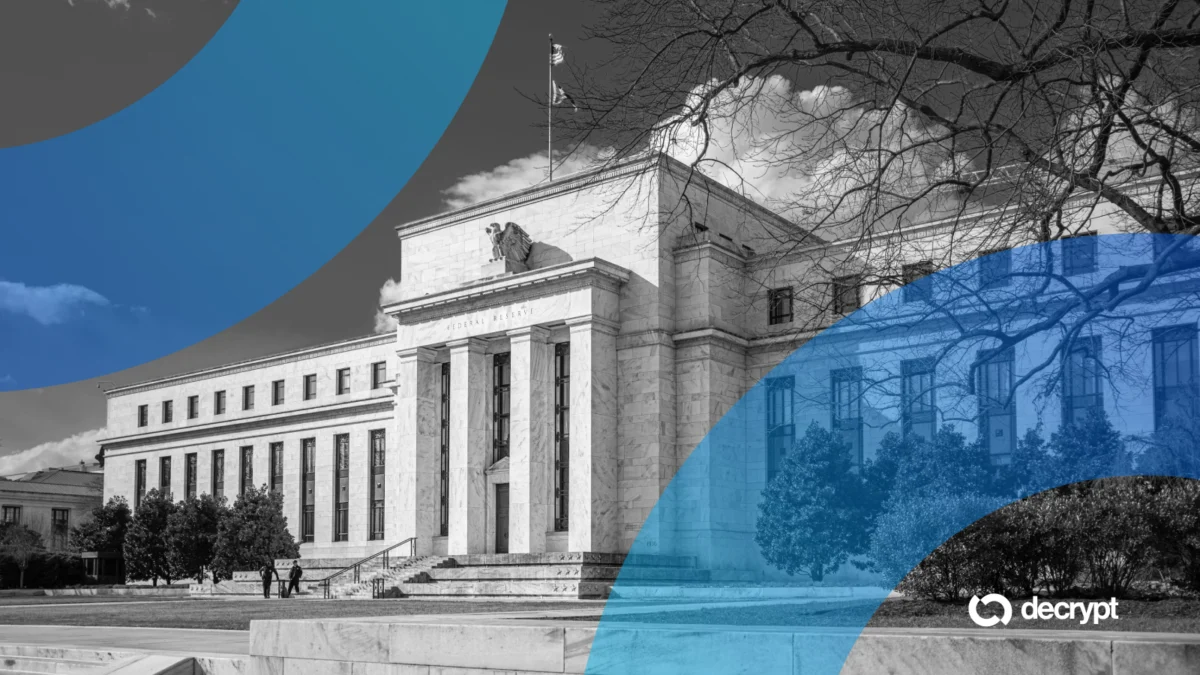
The Federal Reserve is set to announce its latest interest rate decision at 2 p.m. ET today, with financial markets overwhelmingly anticipating a "hold"—meaning no change to the current federal funds rate. This widely expected outcome follows a period of aggressive monetary tightening designed to combat persistent inflation, and it underscores the central bank’s delicate balancing act between achieving price stability and maintaining maximum employment. While the immediate decision points to stasis, the underlying signals from the Fed are likely to convey a "hawkish hold," indicating that future rate hikes remain firmly on the table, especially as officials continue to assess the trajectory of the economy.
Market probabilities, derived from sophisticated financial instruments, strongly suggest the Fed will maintain the status quo. The CME FedWatch Tool, which translates the pricing of federal funds futures contracts into probabilities, places the odds of a rate hold significantly above 90%. Similarly, various prediction markets, which allow participants to bet on future economic events, echo this sentiment, pricing in an even higher likelihood of no adjustment. This near-consensus among traders reflects a belief that the cumulative impact of past rate increases is still working its way through the economy, and that the Fed will opt for a pause to evaluate incoming data before making further moves.
The Federal Reserve’s Mandate and Recent Monetary Policy History
The Federal Reserve operates under a dual mandate from Congress: to foster maximum employment and stable prices. For much of the decade following the 2008 financial crisis, and again during the initial phases of the COVID-19 pandemic, the Fed maintained historically low interest rates to stimulate economic growth and employment. However, the unprecedented fiscal and monetary stimulus coupled with supply chain disruptions during and after the pandemic ignited a surge in inflation, pushing consumer prices to multi-decade highs.
In response, the Fed embarked on an aggressive tightening cycle, beginning in early 2022. This period saw a rapid succession of rate hikes, moving the federal funds rate from near-zero levels to its current range. The most recent adjustment, a unanimous 12-0 vote to raise rates, occurred in September, marking the central bank’s first hike since 2023. This September increase brought the federal funds rate to its present target range of 3.75% to 4.00%. Each increase in this benchmark rate directly influences the cost of borrowing across the economy, affecting everything from credit card interest rates and auto loans to mortgages and business investment. The current pause, if it materializes, would represent a strategic shift from the relentless pace of earlier hikes, allowing policymakers to gauge the lagged effects of their previous actions.
Economic Indicators Shaping the Decision
The Fed’s decisions are data-dependent, meticulously scrutinizing a wide array of economic indicators. The latest figures present a mixed picture, justifying both a pause and the potential for future tightening.
- Inflationary Pressures: The Labor Department reported that consumer prices rose by 3.7% in the 12 months through September. While this figure represents a moderation from peak inflation rates seen in 2022, it remains stubbornly above the Fed’s long-term target of 2%. A significant contributor to this recent surge was gasoline prices, which alone jumped by 9.1% in September. This specific component is heavily influenced by global oil markets, which have seen considerable volatility due to geopolitical tensions. Core inflation, which excludes volatile food and energy prices, also remains elevated, signaling broad-based price pressures within the economy. The persistence of inflation above target necessitates continued vigilance from the central bank.
- The Labor Market: The employment landscape, a critical component of the Fed’s dual mandate, shows signs of cooling, though it remains relatively robust. Employers added a modest 29,000 jobs in September, significantly below the consensus forecast of approximately 90,000. This deceleration in hiring suggests that the labor market, while still tight, is gradually losing some of its intense heat. The unemployment rate, meanwhile, stood at 4.2%. While historically low, this figure is up slightly from recent troughs, indicating a softening demand for labor. Wage growth, another key inflation indicator, has also shown some signs of moderation, though it continues to outpace pre-pandemic levels. The Fed aims for a labor market that is strong but not so overheated that it contributes to inflationary wage-price spirals.
- Global Oil Markets and Geopolitics: Oil prices have been a major inflationary driver, with crude trading near $100 a barrel. This elevated price is largely attributed to geopolitical instability, specifically the U.S.-Iran conflict, which has created concerns about global supply disruptions. Higher crude prices translate directly into increased gasoline costs for consumers and elevated shipping expenses for businesses. These rising input costs are ultimately passed on to consumers, manifesting as higher prices for a wide range of goods and services, from groceries to manufactured products, thus exacerbating overall inflation. The Fed, while unable to directly control oil prices, must factor their impact into its policy deliberations.
Impact on Financial Markets and Broader Economy
The Federal Reserve’s interest rate decisions ripple across global financial markets, influencing everything from government bond yields to cryptocurrency valuations.
- Treasury Yields and the "Risk-Free" Rate: Higher inflation inherently makes investors demand greater interest for lending money to the government, leading to an increase in Treasury yields—the interest rate on U.S. government debt. The 10-year Treasury yield, a crucial benchmark that mortgage rates typically follow, has been hovering around 5% recently, peaking at 5.31% on October 5. This elevated yield represents a nearly risk-free return that is highly attractive to investors, especially compared to the volatility and inherent risks associated with other asset classes. When Treasuries offer such compelling returns, capital often drifts away from riskier investments, a phenomenon known as "de-risking."
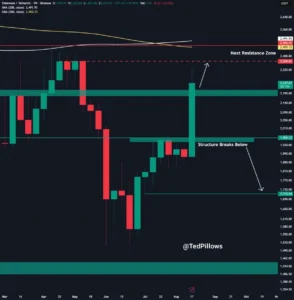
- Cryptocurrency Response: Digital assets, particularly Bitcoin, are highly sensitive to shifts in macroeconomic policy and risk sentiment. Bitcoin, unlike traditional financial instruments such as bonds, does not offer a yield. Consequently, when "risk-free" assets like U.S. Treasuries begin to offer substantial returns, the relative attractiveness of volatile, non-yielding assets like Bitcoin diminishes. This dynamic can lead to a capital outflow from cryptocurrencies and other speculative assets into safer havens. The price of Bitcoin is currently around $80,700, a level that has repeatedly acted as a resistance zone for rallies this year, indicating significant selling pressure at that threshold. The broader cryptocurrency market often experiences heightened volatility around Fed announcements.
- The Role of Leverage and Liquidations: The use of leverage, or borrowed money to amplify investment bets, tends to exaggerate market movements around significant events like Fed decisions. When market prices move unexpectedly against a leveraged position, exchanges automatically close these positions—a process known as liquidation. These forced sales can create cascading selling pressure, further amplifying price swings. A recent example of this occurred after Fed Chair Kevin Warsh’s Jackson Hole speech in August, which saw approximately $481 million in crypto positions liquidated within 24 hours, with over $360 million of those being bets on higher prices. This illustrates the fragility and interconnectedness of leveraged markets to central bank communications.
- Broader Economic Implications: Beyond financial markets, the federal funds rate forms the baseline for what consumers pay on credit cards, auto loans, and adjustable-rate mortgages. A sustained period of high interest rates can dampen consumer spending and business investment, potentially slowing economic growth. Businesses face higher borrowing costs, which can reduce expansion plans and hiring. The housing market, in particular, is directly impacted, with higher mortgage rates reducing affordability and cooling demand. The Fed’s objective is to tighten financial conditions sufficiently to curb inflation without triggering a severe economic downturn or recession.
Forward Guidance and Future Outlook
While the immediate decision is expected to be a hold, market participants are keenly focused on the Fed’s forward guidance for future policy moves, particularly regarding the December meeting. Futures markets and prediction platforms currently assign a 75% to 80% probability to another quarter-point rate hike at the Federal Open Market Committee (FOMC) meeting scheduled for December 8-9.
This expectation is bolstered by the minutes from the September FOMC meeting, which revealed that most officials believed another increase would likely be appropriate by year-end. Furthermore, several members expressed the view that the current federal funds rate was "not restrictive or only mildly restrictive," suggesting that more tightening might be needed to bring inflation definitively under control.
Fed Chair Kevin Warsh has consistently adopted a cautious approach to forward guidance, emphasizing the data-dependent nature of policy. When asked in September whether more hikes would follow, he stated, "I’m not going to prejudge any future decisions we make." He further told reporters, "This won’t surprise you: I’m not in the forward guidance business," a deliberate choice by the Fed to maintain flexibility and avoid committing to a specific future path, which could unduly influence market expectations.
A crucial indicator for future policy direction lies in any dissents within the FOMC vote. The Fed’s July vote, for instance, was 9-3, with three members advocating for a rate hike even then. Should there be a dissent today in favor of tightening, it would send a strong signal that a December hike is very close to being a certainty, indicating a growing faction within the committee pushing for more aggressive action.
The current meeting will not feature new economic projections from the Fed. These comprehensive forecasts, including projections for GDP growth, inflation, unemployment, and the "dot plot" illustrating individual FOMC members’ expectations for future interest rates, are typically released quarterly. The next set of projections will be made public in December, offering a more detailed glimpse into the committee’s collective outlook for the economy and monetary policy.
In conclusion, today’s Federal Reserve announcement is anticipated to mark a pause in its aggressive rate-hiking campaign. However, this "hawkish hold" will likely be accompanied by a clear message that the fight against inflation is not over, and that further tightening remains a viable option. The central bank continues to navigate a complex economic landscape characterized by persistent, albeit moderating, inflation, a gradually cooling labor market, and volatile global energy prices. The path forward will remain highly contingent on incoming economic data, as the Fed strives to achieve its dual mandate without destabilizing the broader economy.