


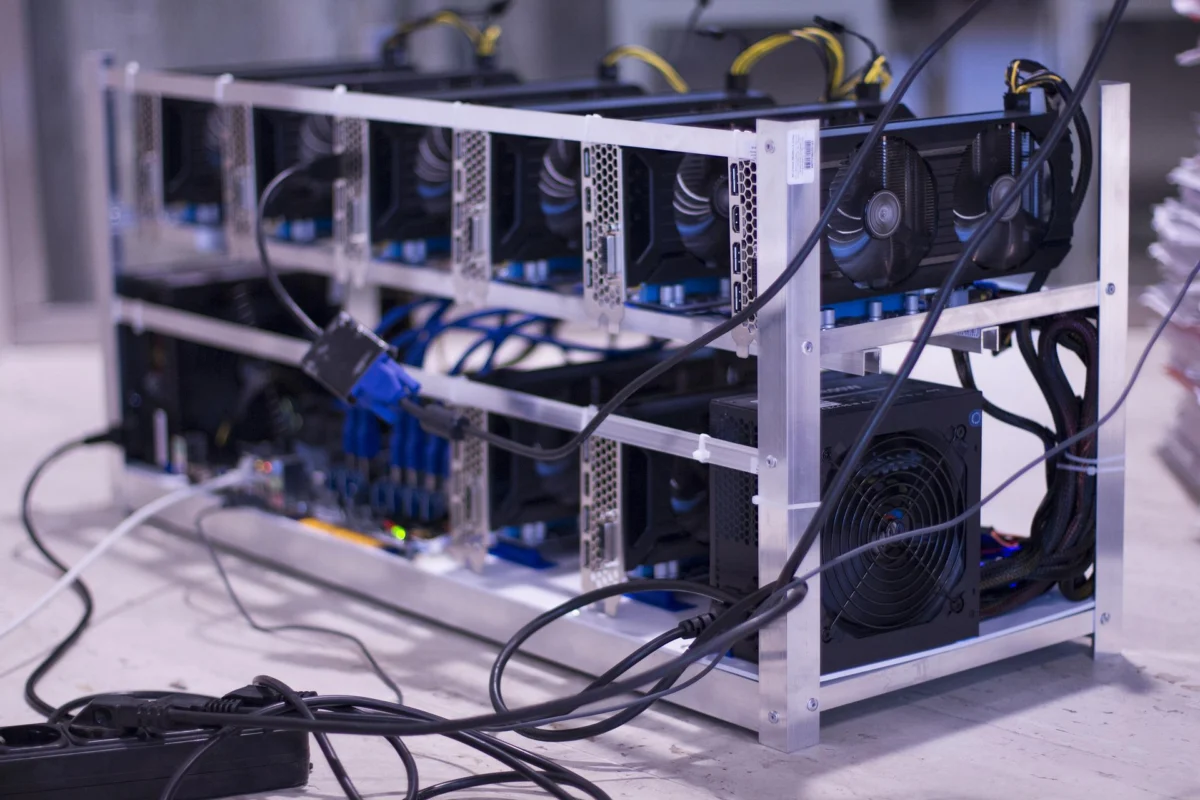
The Iranian government has significantly escalated its enforcement actions against unauthorized cryptocurrency mining, a move prompted by a deepening domestic energy crisis that has led to widespread power outages and social instability. In a recent disclosure that underscores the scale of the underground industry, authorities revealed the discovery and dismantling of 9,404 illegal mining farms across the capital city of Tehran over the preceding five months. This aggressive campaign comes as the nation struggles to balance its role as a global crypto-mining hub with the immediate need to provide stable electricity to its citizens during periods of extreme thermal demand.
Kambiz Nazerian, the head of the Tehran Electricity Distribution Company, confirmed in a public statement that the state’s police forces have been placed on high alert to identify and seize energy-intensive hardware hidden within the capital’s various districts. The sheer volume of the equipment recovered highlights the pervasive nature of the activity; in June alone, police confiscated approximately 7,000 unauthorized mining machines. These devices, primarily Application-Specific Integrated Circuit (ASIC) miners, are designed for the sole purpose of solving complex cryptographic puzzles to secure blockchain networks, a process that consumes vast quantities of electrical power.
The Systematic Exhaustion of the Iranian Power Grid
The conflict between the Iranian state and the cryptocurrency mining sector is rooted in the country’s unique economic landscape. Iran possesses some of the world’s largest reserves of fossil fuels, particularly natural gas, which is used to generate the majority of its electricity. To support domestic industry and low-income households, the government heavily subsidizes energy costs, making electricity in Iran among the cheapest in the world. For cryptocurrency miners, who operate on thin margins where the primary overhead is the cost of power, these subsidies represent an irresistible incentive.
However, this economic advantage has created a significant "tragedy of the commons" scenario. While the government intended for cheap power to stimulate traditional manufacturing and provide relief to citizens, it has instead attracted both local and international mining entities. These operators often bypass legal channels to avoid industrial electricity rates, which are higher than subsidized residential or institutional rates. According to local reports, many of these "unregistered miners" have strategically embedded their operations within public infrastructure, such as mosques and schools. These institutions receive free or heavily discounted electricity from the state, allowing miners to operate with virtually zero overhead, effectively siphoning public resources for private gain.
A Chronology of Regulation and Enforcement
The Iranian government’s relationship with the crypto industry has been characterized by a cycle of begrudging acceptance followed by strict prohibition.
In 2019, Iran became one of the first countries in the world to recognize cryptocurrency mining as a legitimate industrial activity. The government established a licensing framework that required miners to identify themselves, pay a higher tariff for electricity, and sell their mined coins to the Central Bank of Iran to help fund imports—a strategy intended to bypass international banking sanctions.
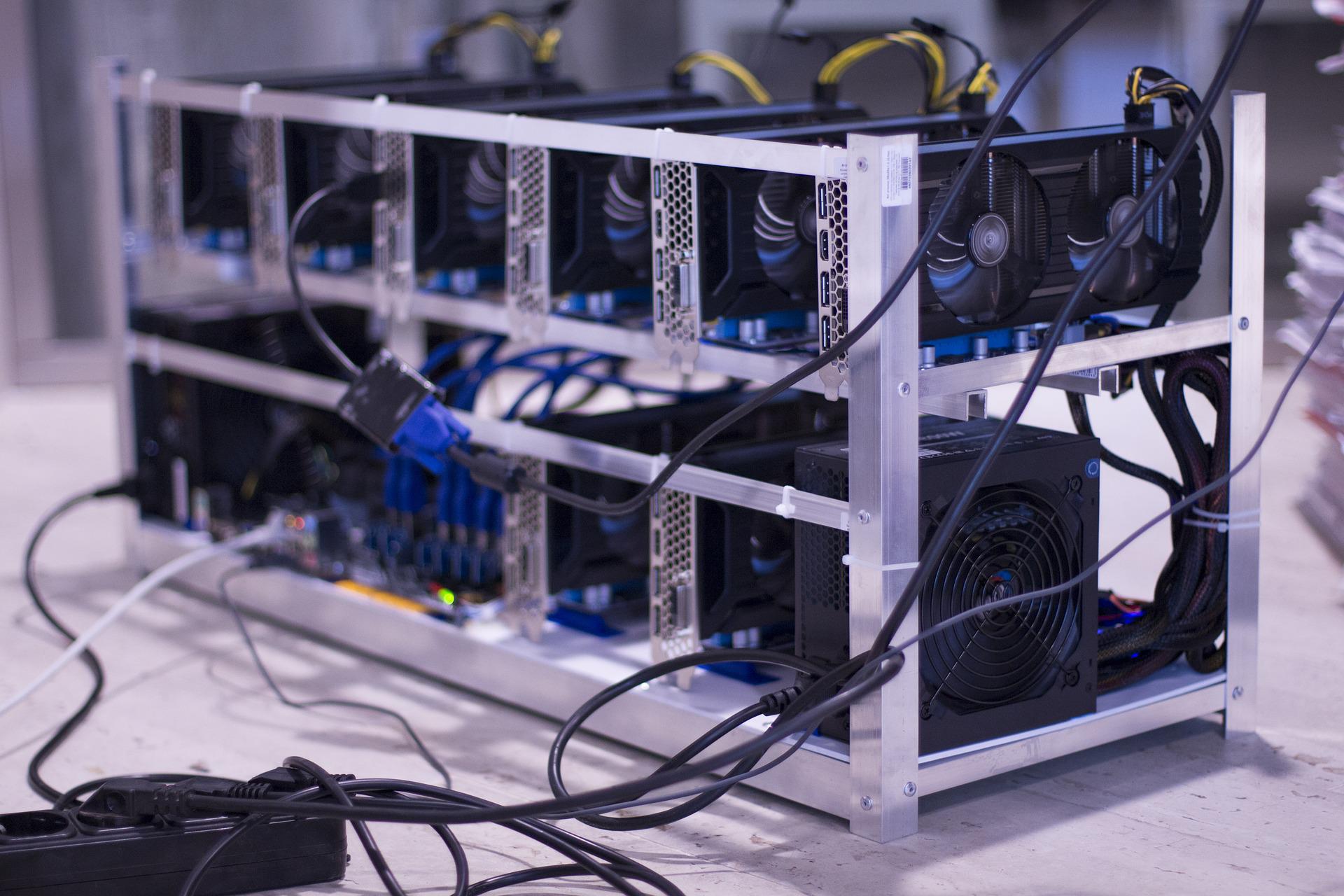
By early 2021, the situation began to deteriorate. As the global price of Bitcoin surged, so did the number of illegal miners. In January 2021, authorities seized 45,000 ASIC machines that were found to be using subsidized power. As the summer months approached, the combination of a severe drought (which hampered hydroelectric production) and the massive energy drain from crypto mining led to catastrophic blackouts in major cities.
In May 2021, the government issued its first blanket ban on all mining activities, including those with licenses, to preserve the grid during the peak summer heat. This ban was lifted in September, only to be reinstated periodically as winter heating demands surged. The most recent crackdown, which saw 1,620 operations shut down earlier this month, revealed that these specific clandestine sites had consumed an estimated 250 megawatts of power over an 18-month period—enough to power a medium-sized city.
Supporting Data and the Global Context
The impact of Iran’s mining sector extends far beyond its borders. According to the Cambridge Bitcoin Electricity Consumption Index (CBECI), Iran’s contribution to the global Bitcoin hashrate—a measure of the total computational power securing the network—reached as high as 7.5% in early 2021. This placed Iran among the top mining jurisdictions globally, alongside the United States, Kazakhstan, and Russia.
The influx of mining activity was further accelerated by China’s total ban on cryptocurrency in mid-2021. As Chinese mining syndicates sought new homes with cheap energy, many relocated their hardware to Iran, often forming partnerships with local "influential networks." These networks, which sometimes involve individuals with high-level connections, have made enforcement difficult for local police. The involvement of foreign groups using subsidized Iranian energy has become a point of significant political contention, with critics arguing that the nation is essentially exporting its natural resources at a loss for the benefit of foreign investors.
Official Responses and Socio-Political Consequences
The recurring power outages have moved beyond a technical issue and into the realm of national security. In previous years, blackouts triggered rare and widespread public protests, as citizens dealt with failed air conditioning during 100-degree heatwaves and businesses suffered from interrupted operations. The government has increasingly used crypto miners as a convenient scapegoat for these systemic failures, though energy experts point out that an aging power infrastructure and lack of investment due to sanctions are also major contributing factors.
In response to the current crisis, the state-run energy provider, Tavanir, has taken unprecedented steps. Beyond seizing illegal hardware, the company recently cut power to 118 licensed mining platforms that had previously been operating within the legal framework. This move signals that during times of grid instability, even the "legal" sector of the industry will be sacrificed to maintain residential supply. Authorities have also implemented a whistleblower program, offering rewards to citizens who report the locations of illegal mining farms.
Broader Impact and Economic Implications
The crackdown in Iran is part of a broader global trend where energy-strapped nations are reassessing their tolerance for "Proof of Work" mining. Countries like Kosovo and Kazakhstan have also faced similar dilemmas, where the arrival of miners led to grid failures and subsequent bans.

For Iran, the economic implications are twofold. On one hand, the government views cryptocurrency as a vital tool for sanction-evasion, allowing the state to conduct international trade without relying on the US dollar-dominated SWIFT system. On the other hand, the physical cost of producing that "digital gold" is currently higher than the state’s energy infrastructure can bear. The loss of 250 megawatts to illegal operations is not merely a financial loss; it represents a tangible threat to the stability of the national grid.
Furthermore, the environmental impact cannot be ignored. Because Iran relies heavily on natural gas and low-grade fuel oil (mazut) for power generation, the massive energy consumption of mining contributes significantly to the country’s carbon footprint and urban air pollution. During the winter, when gas is diverted to households for heating, power plants often switch to "mazut," leading to dangerous levels of smog in cities like Tehran—a problem exacerbated by the constant baseline demand of mining rigs.
Future Outlook: A Precarious Balancing Act
As the current ban on mining is scheduled to be reviewed or potentially lifted in September, the future of the industry in Iran remains uncertain. The government is expected to introduce even more stringent regulations, possibly including higher penalties for illegal mining and more rigorous monitoring of electricity usage patterns in residential and public buildings.
There is also a growing push within the Iranian parliament to modernize the energy grid, though international sanctions remain a significant barrier to importing the necessary technology and attracting the required investment. Until the gap between electricity production and demand is closed, the "cat-and-mouse" game between the state and the miners is likely to continue.
The seizure of over 9,000 farms in Tehran is a clear message from the Iranian authorities: the era of "free" energy for crypto mining is coming to an end. As the state prioritizes social stability and basic service delivery over the potential economic benefits of a digital currency industry, miners may be forced to look elsewhere, once again shifting the geography of the global Bitcoin network. For now, the focus remains on surviving the summer heat without a total collapse of the national power system, a task that requires the absolute removal of every unauthorized kilowatt from the grid.














