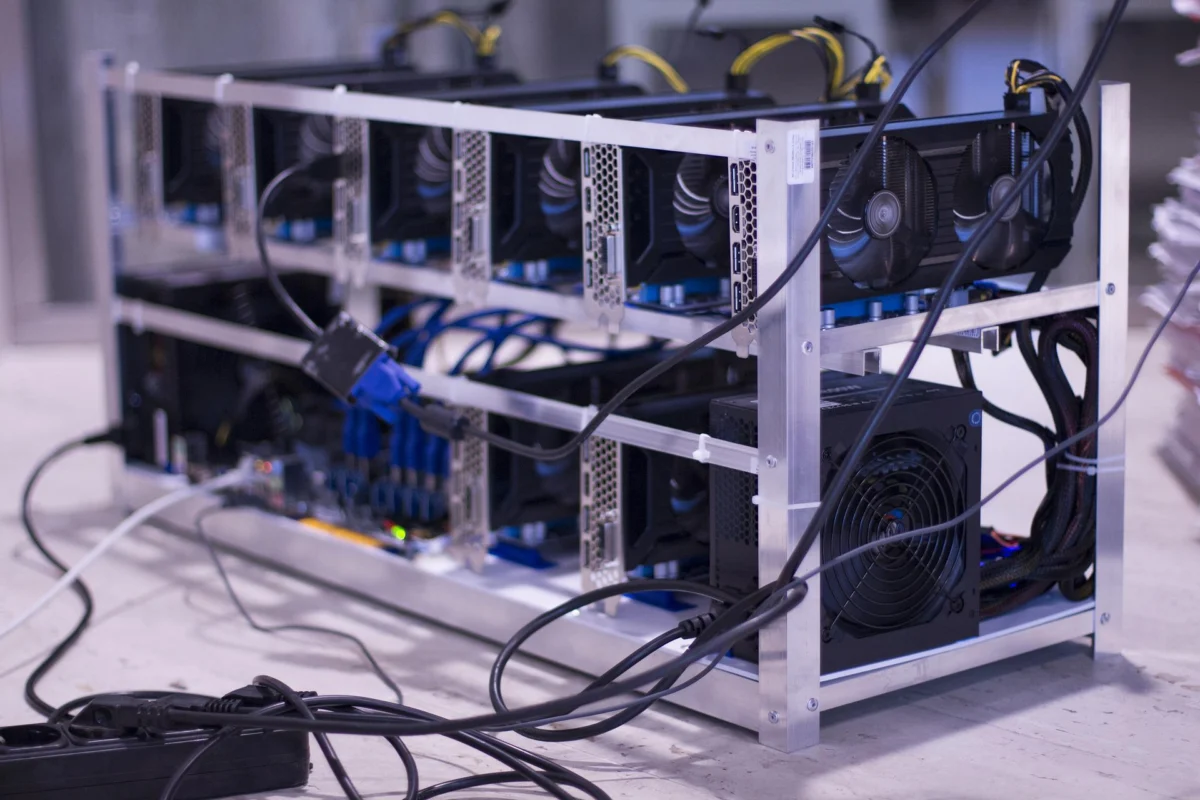
The Iranian government has significantly escalated its enforcement actions against unauthorized cryptocurrency mining, reporting the discovery and closure of 9,404 illegal mining farms across the country within the last five months. This aggressive campaign comes as the Middle Eastern nation grapples with a persistent energy crisis that has resulted in widespread power blackouts, particularly during the high-demand summer months. Law enforcement and energy officials have intensified their surveillance of the national power grid, identifying thousands of high-consumption devices that have been operating without the necessary permits, often utilizing subsidized electricity intended for households and public institutions.
Kambiz Nazerian, the head of the Tehran Electricity Distribution Company, confirmed in a recent statement that the majority of these energy-guzzling devices were concentrated within various districts of the capital city, Tehran. The scale of the operation underscores the government’s commitment to stabilizing a grid that has been pushed to the brink of collapse by a combination of aging infrastructure, record-breaking temperatures, and the clandestine growth of the digital asset mining industry.
The Scope of the Crackdown and Recent Enforcement Actions
The recent announcement by Tehran electricity officials is the latest in a series of major interventions. In June alone, Iranian police confiscated approximately 7,000 illegal mining machines in a single coordinated sweep, marking one of the largest individual seizures in the country’s history. These machines, primarily Application-Specific Integrated Circuit (ASIC) miners, are designed specifically for the intensive computational tasks required to secure blockchain networks like Bitcoin.
Over the past 18 months, authorities estimate that unauthorized mining activities have consumed upwards of 250 megawatts of electrical power. To put this in perspective, such a load is equivalent to the energy consumption of several medium-sized cities. The sheer volume of equipment being discovered suggests that despite repeated warnings and the threat of heavy fines, the economic incentives of mining remain highly attractive to both individual opportunists and organized networks.
The Iranian government has also taken aim at licensed operations. While the state initially sought to regulate and tax the industry by issuing licenses, the severity of the energy shortage forced a pivot. In May, authorities implemented a comprehensive four-month ban on all crypto-mining activities, regardless of their legal status. This ban is scheduled to remain in place until September. During the peak of the summer heatwave, the government went a step further by cutting off the power supply to 118 licensed mining platforms that had previously been operating within the legal framework.
The Economic Allure: Subsidized Power and Fossil Fuel Abundance
The primary driver behind Iran’s emergence as a global crypto-mining hub is its vast reserves of fossil fuels, which allow the state to provide some of the cheapest electricity in the world. For years, the Iranian government has heavily subsidized energy costs for its citizens, a policy intended to support the domestic economy and provide social stability. However, this cheap power has inadvertently created a "perfect storm" for cryptocurrency miners, who require massive amounts of electricity to remain profitable.
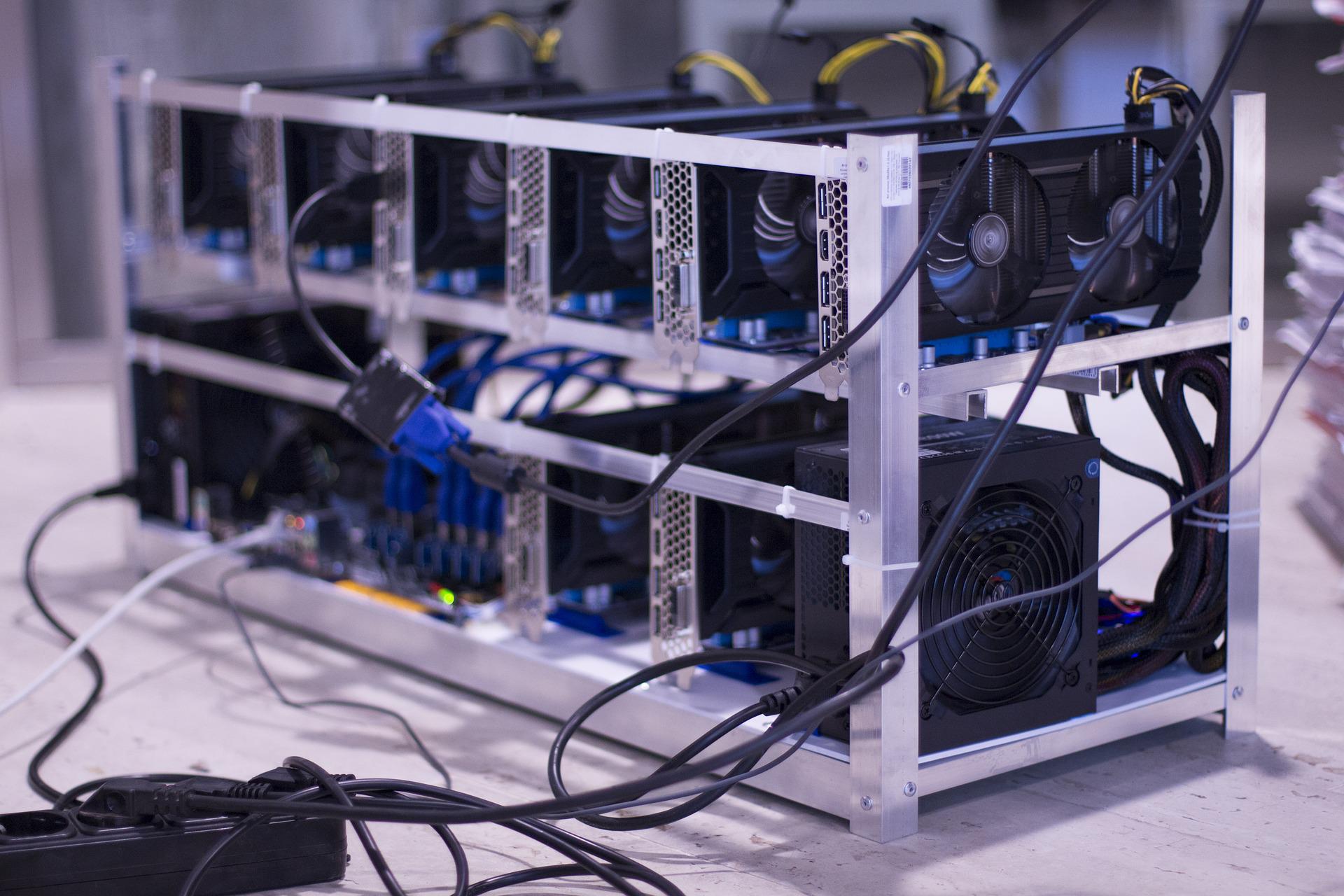
By utilizing subsidized power, miners in Iran can produce Bitcoin at a fraction of the cost incurred by their counterparts in Europe or North America. This economic advantage has attracted not only local tech enthusiasts but also international players. Reports from Iranian media outlets suggest that significant portions of the country’s mining operations are controlled by influential local networks and, notably, several Chinese investment groups. These entities often set up large-scale "farms" in regions where enforcement is perceived to be more relaxed or where they can leverage political connections.
A particularly controversial aspect of the illegal mining scene is the exploitation of public infrastructure. Iranian authorities have documented numerous instances where miners have installed equipment in mosques, schools, and rural community centers. Because these institutions often receive electricity for free or at a highly discounted "religious or educational" rate, they have become prime targets for clandestine mining setups. The use of sacred spaces for digital asset production has sparked significant public outcry and has been a focal point of recent police investigations.
Data and Global Context: Iran’s Role in the Global Hashrate
Iran’s impact on the global cryptocurrency landscape is substantial. According to data from the Cambridge Bitcoin Electricity Consumption Index (CBECI), Iran accounted for approximately 7.5% of the global Bitcoin hashrate in early 2021. This placed the country among the top mining jurisdictions in the world, alongside the United States, Kazakhstan, and Russia.
The growth of the sector in Iran was accelerated by the 2021 crackdown on mining in China, which saw a mass exodus of miners looking for cheap power and friendly (or at least less restrictive) jurisdictions. Iran, with its existing infrastructure and low energy costs, was a natural destination for this "migrant hashrate."
However, this influx of activity coincided with a period of severe drought and rising temperatures in Iran. The country’s hydroelectric power plants, which provide a significant portion of its renewable energy, saw their output plummet as water levels in dams hit historic lows. The combination of reduced supply and increased demand from crypto miners led to a series of catastrophic blackouts in major urban centers, including Tehran and Isfahan. These outages disrupted hospitals, businesses, and daily life, leading to a wave of national protests and placing immense political pressure on the government to act.
A Chronology of Policy Shifts and Seizures
The Iranian government’s relationship with cryptocurrency has been characterized by a cycle of cautious acceptance followed by strict prohibition.
- Early 2019: The Iranian cabinet officially recognized mining as an industrial activity, requiring miners to obtain a license from the Ministry of Industry, Mine, and Trade.
- January 2021: As winter power shortages began to bite, authorities seized 45,000 ASIC machines that were being operated illegally. Tavanir, the state-run energy provider, began using specialized software and hardware to detect unusual spikes in energy consumption at the neighborhood level.
- May 2021: President Hassan Rouhani announced a total ban on mining through the end of September to preserve the grid for the summer.
- Late 2021: Restrictions were briefly eased, but the arrival of winter—and the subsequent spike in natural gas demand for heating—led to a new round of shutdowns.
- August 2022: The current wave of enforcement reaches a peak, with nearly 10,000 farms identified and dismantled in less than half a year.
This timeline illustrates a reactive policy framework where the government is forced to choose between the potential economic benefits of a regulated crypto industry (including the circumvention of international sanctions) and the immediate necessity of maintaining the domestic power supply.

Official Responses and Public Sentiment
The reaction from Iranian officials has been one of stern warning. Tavanir has repeatedly urged citizens to report illegal mining activities, offering rewards to whistleblowers who help identify clandestine farms. Spokespeople for the energy ministry have characterized illegal mining as a "theft of public resources," emphasizing that the subsidized electricity being used by miners belongs to the people of Iran.
On the other side of the debate, some members of the Iranian tech community argue that the government’s approach is stifling a burgeoning industry that could provide much-needed foreign currency in an economy hampered by U.S. sanctions. They argue that instead of outright bans, the government should invest in upgrading the national grid and creating dedicated "mining zones" powered by renewable energy or natural gas that would otherwise be flared.
The public sentiment, however, remains largely frustrated. For the average Iranian citizen, the debate over blockchain technology is secondary to the reality of spoiled food in refrigerators, stalled elevators, and the loss of internet connectivity during peak hours. The government’s crackdown is, in many ways, a necessary political move to appease a population tired of systemic infrastructure failures.
Broader Implications and Future Outlook
The situation in Iran is a microcosm of a larger global trend. Other nations with low energy costs and fragile grids, such as Kosovo and Kazakhstan, have faced similar crises. In Kosovo, the government implemented a total ban on mining earlier this year after declaring a state of emergency due to energy shortages. In Kazakhstan, civil unrest and power grid instability led to a massive hike in taxes for miners and a series of forced shutdowns.
For Iran, the future of cryptocurrency mining remains uncertain. While the state-run energy provider Tavanir continues its "search and destroy" mission for illegal rigs, the underlying economic factors—high inflation, a devalued rial, and cheap energy—continue to push citizens toward the crypto market.
The implications of this crackdown extend beyond the borders of Iran. As a significant contributor to the global hashrate, any large-scale disconnection of Iranian miners can lead to fluctuations in Bitcoin’s mining difficulty and transaction speeds. Furthermore, the Iranian experience serves as a cautionary tale for other nations considering the integration of high-energy-consumption industries into existing power structures.
As the September deadline for the lifting of the current ban approaches, the Iranian government faces a difficult decision: allow the industry to resume and risk a new wave of winter blackouts, or maintain a hardline stance that could drive the industry further underground. For now, the police remain on high alert, and the hum of thousands of ASIC miners in Tehran’s basements and warehouses continues to be met with the firm hand of state intervention. The ongoing struggle highlights the complex intersection of digital innovation, national resource management, and the pressing realities of climate change and infrastructure decay.