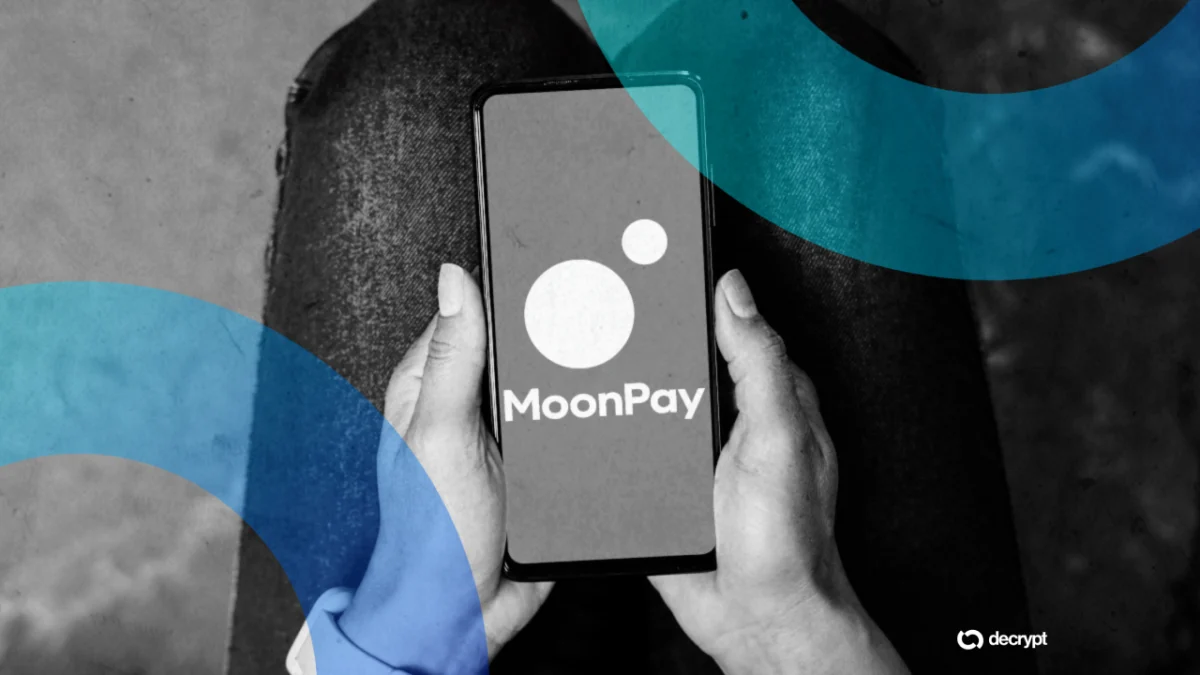
The burgeoning intersection of artificial intelligence and digital finance has reached a significant milestone with MoonPay’s direct integration of cryptocurrency purchases within OpenAI’s ChatGPT. This innovative development now empowers users to seamlessly generate checkout links for acquiring a range of digital assets, including prominent cryptocurrencies like Bitcoin (BTC), XRP, Solana (SOL), and USD Coin (USDC), all without the need to exit the familiar chatbot interface. This move marks a pivotal moment, transforming ChatGPT from a mere informational tool into a transactional gateway for the crypto economy.
The Evolution of AI and Crypto: A Convergence Point
On Friday, MoonPay officially launched its dedicated application within the burgeoning ChatGPT Apps ecosystem. This strategic deployment positions MoonPay alongside a growing roster of crypto-related applications that have found a home within OpenAI’s flagship AI platform. Previously, apps such as Kraken, OKX, CryptoAudit, and RealOpen primarily offered functionalities centered around querying blockchain data, tracking prices, or facilitating property transactions with crypto. MoonPay, however, distinguishes itself by introducing direct purchasing capabilities, creating an immediate on-ramp for users directly within the conversational AI environment.
The integration is a natural progression in the broader trend of AI platforms evolving beyond simple information retrieval to become comprehensive digital assistants. Just as users have become accustomed to receiving shopping recommendations and conducting general commerce research within ChatGPT, the shift towards financial research and, now, direct financial transactions, represents a significant expansion of the AI’s utility. The underlying philosophy, as articulated by Kevin Arifin, MoonPay’s Blockchain Engineer and Product Lead, to Decrypt, stems from a perceived gap in the market: "Now people are starting to do financial research within ChatGPT as well, and it’s always been surprising to me that there hasn’t been an on-ramp where you could buy crypto within ChatGPT.” This sentiment underscores MoonPay’s ambition to bridge the convenience of conversational AI with the often-complex process of acquiring digital assets.
Seamless Transactions: How the MoonPay App Works
The operational mechanics of MoonPay’s ChatGPT app are designed for intuitive user interaction. A user can initiate a conversation by inquiring about a particular cryptocurrency, expressing interest in its features, or seeking general information. Following this conversational exchange, the user can then explicitly instruct the chatbot to purchase a specified amount of their chosen digital asset. For instance, a user might ask, “Tell me about Bitcoin,” and after receiving information, follow up with, “I’d like to buy $100 worth of Bitcoin.”
Upon receiving a purchase request, ChatGPT, leveraging the MoonPay app, will generate a unique checkout link. This link serves as the crucial bridge, redirecting the user from the chatbot’s interface to the secure MoonPay website. It is on the MoonPay platform where the essential Know-Your-Customer (KYC) process is conducted, a regulatory requirement designed to prevent financial crime by verifying the identity of transacting parties. Users will also link their preferred cryptocurrency wallet during this stage to facilitate the reception of their purchased assets.
A key element of the user experience, particularly for repeat customers, lies in the streamlined nature of subsequent transactions. As Arifin explained, if a user has already completed the KYC process and established an account with MoonPay, the platform intelligently recalls this information. "You just sign in with your existing MoonPay account,” Arifin elaborated. “It’ll show that you’re signed in, pay with your last payment method, and then deliver it to this address.” This eliminates the repetitive and often cumbersome steps of re-entering personal data and payment details, significantly enhancing convenience and reducing friction for experienced users.
Beyond Transactions: Education as a Core Component
MoonPay’s vision for this integration extends beyond mere transaction facilitation. A crucial aspect of the app’s design is its inherent capacity to educate consumers during the purchase process. Arifin likens the AI’s role to that of a knowledgeable broker: “It’s like a broker that sits by you, not making financial recommendations, but educating you about the asset you’re buying. [It] makes ChatGPT the perfect place for that.” This educational emphasis aligns with a broader industry need to demystify cryptocurrencies for mainstream audiences, making complex concepts more accessible through conversational learning. By providing context and information alongside the transaction capability, MoonPay aims to foster informed decision-making rather than simply enabling speculative buying.
While the current iteration of the app provides a checkout link akin to an e-commerce platform like Shopify, MoonPay envisions a future where AI agents take more direct actions. Arifin hinted at this evolutionary path: “Right now, this is just giving you the buy link to check out, similar to Shopify, but longer-term we’re going to see ChatGPT or these types of LLMs take more actions instead of just giving you that checkout link.” This suggests a future where AI might execute trades or manage portfolios based on more sophisticated user prompts and pre-approved parameters, though always within a framework that prioritizes user control and regulatory compliance.
MoonPay’s Broader AI-Driven Expansion
The ChatGPT integration is not an isolated initiative but rather a key component of MoonPay’s aggressive push into the AI-driven crypto tools landscape. The company has demonstrated a clear strategic direction towards leveraging artificial intelligence to enhance its offerings and expand its market reach.
Earlier this month, MoonPay made a significant move by acquiring Dawn Labs, an AI trading startup. This acquisition led to the launch of Dawn CLI, a sophisticated trading copilot designed to translate plain-English prompts into automated prediction market strategies. This tool exemplifies MoonPay’s commitment to empowering users with advanced trading capabilities, albeit in a controlled and assisted manner, by harnessing the power of AI to analyze market data and execute complex strategies.
Further solidifying its AI ambitions, MoonPay recently introduced the MoonAgents Card. This innovative virtual Mastercard allows AI agents to spend stablecoins directly from connected crypto wallets at a wide array of online merchants. This development opens up new possibilities for autonomous AI operations, enabling agents to execute real-world payments and engage in digital commerce using stablecoins, thus blurring the lines between traditional finance and the decentralized crypto economy.
Despite these advanced AI trading and spending tools, Arifin underscored that the ChatGPT app’s primary purpose is distinct: it is designed to facilitate mainstream consumer education and adoption rather than autonomous AI trading. The conversational interface of ChatGPT is seen as a crucial "unlock" for broader understanding and engagement with crypto, addressing a long-standing challenge in the industry. "Being able to talk in ChatGPT is a huge unlock,” he stated. “I think that’s what’s been lacking overall.”
Implications for Crypto Adoption and User Experience
The integration of MoonPay into ChatGPT carries profound implications for the cryptocurrency ecosystem and its trajectory towards mainstream adoption.
- Reduced Friction and Enhanced Accessibility: One of the most significant barriers to crypto adoption for new users has historically been the perceived complexity of exchanges, wallets, and on-ramp processes. By embedding purchasing directly within a widely used and user-friendly AI chatbot, MoonPay drastically reduces this friction. It transforms a multi-step, often intimidating process into a simple conversational exchange, making crypto acquisition more accessible to a broader demographic, including those who are not technically savvy or deeply familiar with blockchain technology.
- Educational Empowerment: The conversational nature of ChatGPT allows for an unprecedented level of contextual education during the purchase process. Users can ask questions, clarify doubts, and receive immediate, AI-generated explanations about the assets they are considering. This "broker-like" function can empower users to make more informed decisions, fostering a deeper understanding of the assets they are acquiring and mitigating some of the risks associated with speculative or uninformed buying.
- Broadening the User Base: As Arifin aptly puts it, "These apps, whether it’s ChatGPT, Claude—they’re the new front door of the internet.” This perspective highlights the strategic importance of meeting users where they already are. With hundreds of millions of users engaging with AI chatbots globally, integrating crypto purchases into these platforms taps into an enormous, largely untapped market segment that might otherwise find traditional crypto exchanges daunting. This could significantly accelerate the rate of new user adoption.
- Competitive Landscape Shift: This move could set a new precedent for how digital assets are integrated into mainstream AI platforms, potentially spurring other crypto on-ramps and exchanges to follow suit. The competitive advantage will likely shift towards platforms that can offer the most seamless, integrated, and educational user experiences within popular AI environments.
- Security and Trust: While the initiation of the purchase occurs within ChatGPT, the critical KYC and transaction finalization steps remain on MoonPay’s secure, regulated platform. This hybrid approach aims to balance convenience with necessary security protocols, ensuring compliance and user protection. However, the reliance on an external link and the need for users to navigate to MoonPay’s site still necessitates a degree of digital literacy and caution to avoid phishing scams or misinformation.
Challenges and the Path Ahead
Despite the undeniable advantages, the integration also brings certain challenges and considerations for the future. Arifin himself acknowledged the potential for users to become "confined to OpenAI’s ecosystem and the interfaces it chooses to expose." This highlights a broader debate within the AI and crypto communities regarding centralization versus decentralization. While convenient, relying heavily on a single AI platform like ChatGPT could lead to a degree of ecosystem lock-in.
This concern points towards the importance of emerging AI clients like OpenClaw and Hermes. These platforms aim to enable AI agents to run locally on a user’s machine and interact more directly with their personal computing environment. Such developments could offer greater user control, privacy, and flexibility, potentially representing the "next step" in the evolution of AI-driven crypto interactions, moving towards more autonomous and user-centric agents.
Furthermore, the evolving regulatory landscape for both cryptocurrencies and artificial intelligence presents an ongoing challenge. Integrations that blur the lines between informational and transactional services within AI platforms will likely attract scrutiny from financial regulators. Ensuring compliance with anti-money laundering (AML) laws, consumer protection regulations, and potential future AI-specific directives will be paramount for MoonPay and similar ventures.
Finally, maintaining trust and reliability within AI systems, especially when dealing with financial decisions, is critical. The AI’s ability to provide accurate, unbiased information and recommendations is paramount. Any instance of misinformation or perceived financial advice could have significant repercussions. As Arifin concluded, chatbots are indeed becoming the "new front door of the internet," where users conduct "multiple turns of research to really understand what they’re trying to do." Ensuring the integrity and utility of this "front door" for financial literacy and transactions will be key to the long-term success and adoption of such integrations.
In summary, MoonPay’s integration into ChatGPT represents a significant leap forward in making cryptocurrency more accessible and user-friendly. By leveraging the power of conversational AI, MoonPay is not only simplifying the purchase process but also embedding an educational layer that could be transformative for mainstream adoption. This initiative, part of MoonPay’s broader AI strategy, signals a future where AI agents play an increasingly central role in how individuals interact with and participate in the digital asset economy, setting a new benchmark for convenience and engagement in the evolving landscape of fintech.