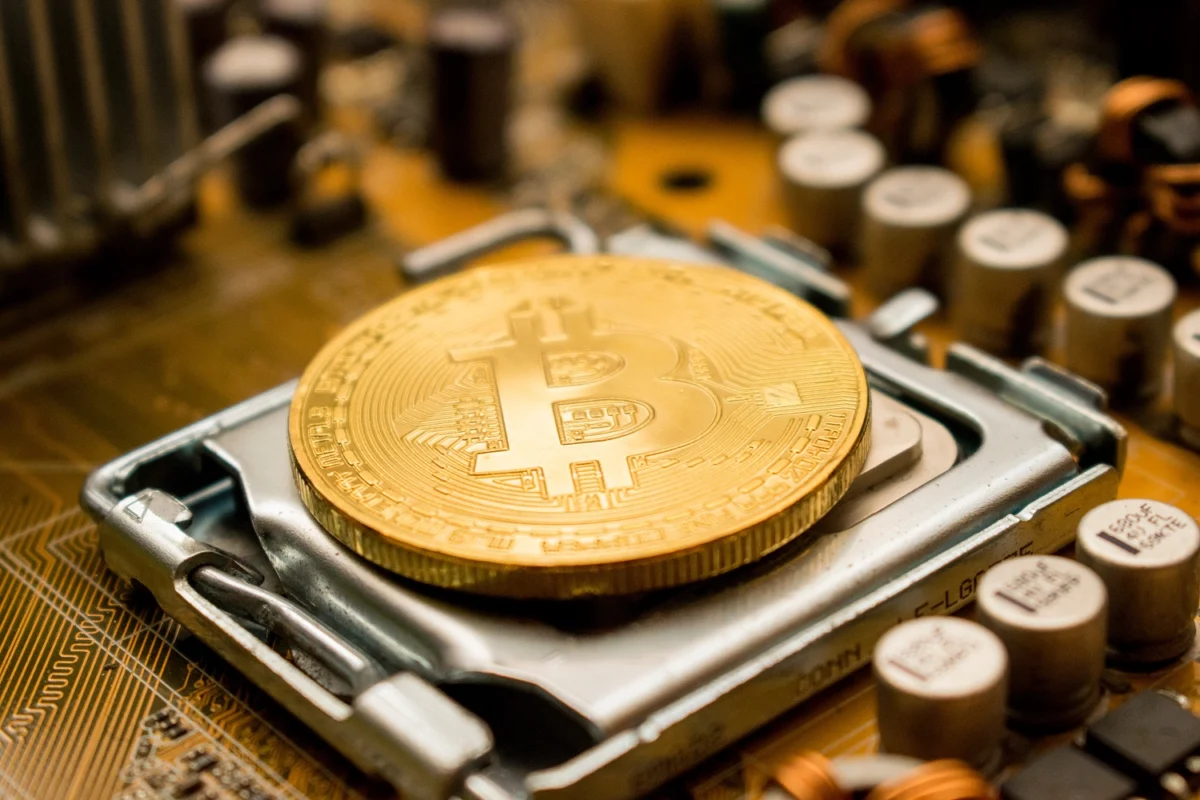
The Russian Association of Crypto Industry and Blockchain (RACIB) has officially launched a strategic initiative designed to transform the Russian Federation into a primary destination for international Bitcoin mining operations. This movement comes at a pivotal moment for the global digital asset ecosystem, as the industry undergoes a massive geographical reshuffling following aggressive regulatory prohibitions in China. By leveraging its vast natural resources, surplus energy production, and favorable climatic conditions, Russia is positioning itself to capture a significant share of the global hash rate, aiming to reclaim its standing among the world’s top cryptocurrency mining jurisdictions.
The transition represents a calculated effort by RACIB to capitalize on the "Great Mining Migration" that began in mid-2021. As the Chinese government intensified its crackdown on the mining sector, citing environmental concerns and financial stability risks, tens of thousands of mining rigs were disconnected, forcing operators to seek new homes in more hospitable environments. RACIB’s project seeks to streamline this transition for displaced miners, offering a structured framework for foreign investment into the Russian energy complex and digital infrastructure.
The Catalyst: China’s Regulatory Pivot and the Global Migration
For nearly a decade, China was the undisputed epicenter of the Bitcoin mining world, at one point controlling over 75% of the global hash rate. This dominance was fueled by cheap hydroelectric power in provinces like Sichuan and coal-based energy in Inner Mongolia and Xinjiang. However, a series of directives from the Chinese State Council and the People’s Bank of China (PBOC) in 2021 effectively outlawed the practice, leading to a total exodus of mining enterprises.
This sudden vacuum created a competitive scramble among nations with energy surpluses. While the United States and Kazakhstan emerged as immediate beneficiaries, Russia’s crypto industry leaders recognized an opportunity to offer a more sustainable and technologically integrated alternative. The current initiative by RACIB is not merely a reactive measure but a proactive bid to establish "specialized clusters" that support the global digital economy’s infrastructure.
Russia’s Competitive Advantages: Energy Surplus and Infrastructure
The core of Russia’s appeal lies in its immense energy sector. The nation consistently ranks among the top five global producers of electricity, with a total installed capacity exceeding 245 gigawatts (GW). Crucially, the Russian power grid operates with a significant surplus. In several industrial regions, the production capacity exceeds local demand by as much as 50%. This excess energy, which would otherwise go unused or be sold at a loss, provides a perfect baseline for energy-intensive operations like Bitcoin mining.
Beyond sheer volume, the accessibility of traditional fuels—natural gas and coal—ensures a stable and reliable power supply. Unlike regions that rely heavily on intermittent renewable sources, Russia’s diversified energy mix offers the 24/7 uptime required for high-performance computing. RACIB has highlighted that these conditions provide "the best conditions for the formation of specialized clusters" that can host large-scale foreign mining farms without straining the national grid or increasing costs for domestic consumers.
The Role of Geography and Climate in Operational Efficiency
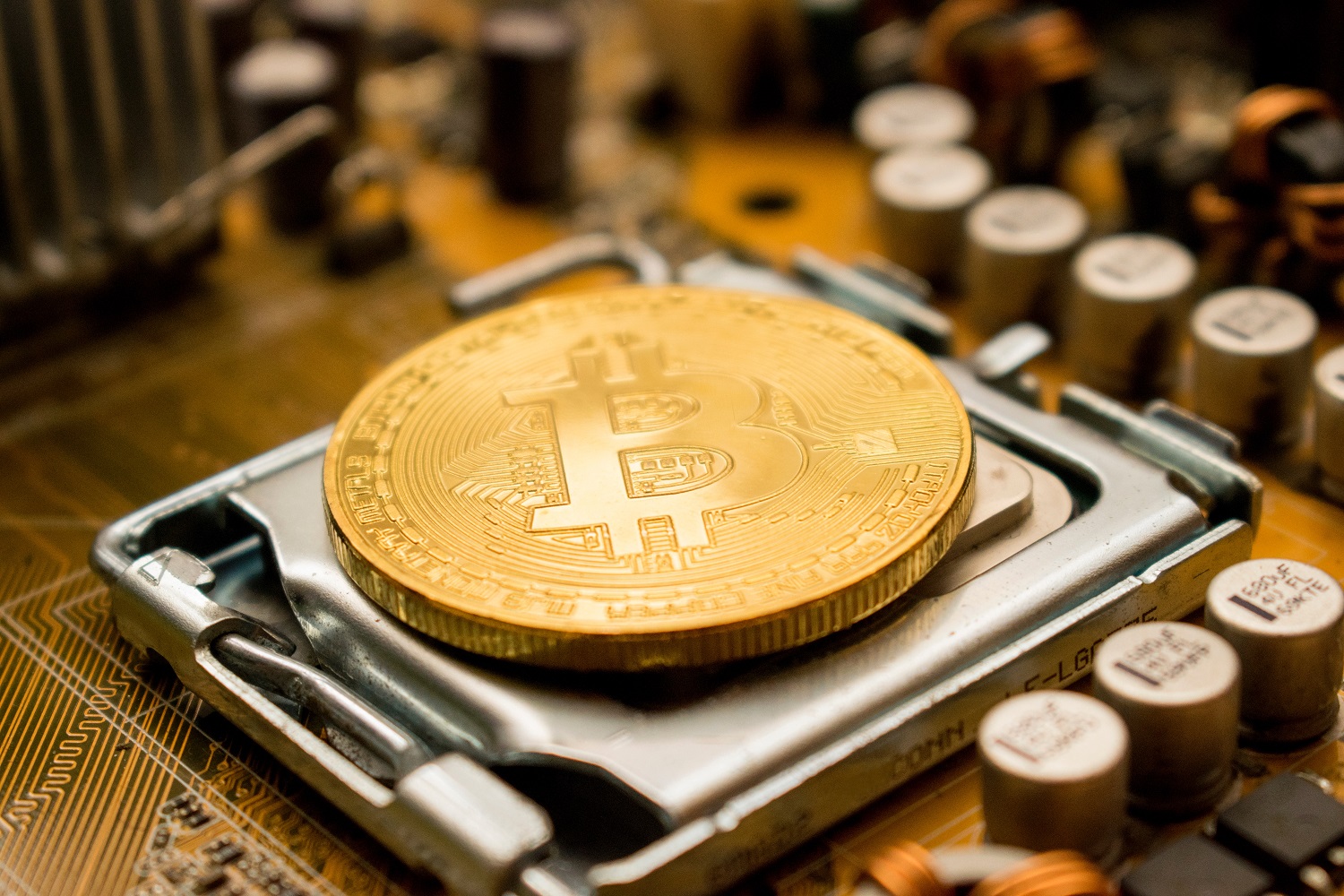
Mining hardware, specifically Application-Specific Integrated Circuits (ASICs), generates substantial heat during the computational process. Managing this thermal output is one of the highest operational costs for miners, often requiring expensive industrial cooling systems. Russia’s northern latitude and generally cold climate offer a natural solution to this challenge. In regions such as Siberia and the Urals, the ambient temperature remains low for the majority of the year, allowing for passive or low-cost air cooling.
Furthermore, Russia’s low population density in its resource-rich regions provides ample space for the construction of massive data centers. Large-scale operations can be established far from urban centers, reducing the potential for noise complaints and regulatory friction often found in more densely populated Western nations. This combination of "natural cooling" and available land makes the capital expenditure (CAPEX) and operational expenditure (OPEX) for Russian mining sites among the most competitive in the world.
The Shift Toward "Green" Mining and ESG Compliance
As institutional investors and global corporations increase their scrutiny of the environmental impact of Bitcoin, the source of energy used in mining has become a critical factor. RACIB has addressed these concerns by highlighting Russia’s surprisingly "green" energy profile. Approximately 40% of the nation’s power is derived from low-carbon sources, specifically hydroelectric and nuclear energy.
The Irkutsk region, for example, has already become a de facto mining capital due to its massive hydroelectric dams, which provide some of the cheapest and cleanest electricity in the world. By directing miners toward these renewable hubs, Russia can offer a pathway for companies to maintain high hash rates while adhering to Environmental, Social, and Governance (ESG) standards. This is a significant differentiator from competitors like Kazakhstan, which, despite its growth, relies heavily on aging coal-fired power plants that have led to environmental and grid-stability concerns.
Geopolitical Rivalry: Overtaking Kazakhstan and the Global Rankings
The urgency of RACIB’s initiative is underscored by recent shifts in global mining rankings. According to data from the Cambridge Centre for Alternative Finance (CCAF), Russia’s share of the global Bitcoin hash rate recently saw it slip to fourth place, overtaken by its neighbor, Kazakhstan. As of the latest reports, the United States holds the top spot, followed by China (which still maintains a grey-market presence) and Kazakhstan.
Kazakhstan’s rise to third place was largely due to its proximity to China and its initially lax regulatory environment. However, the Central Asian nation has recently faced challenges, including energy shortages and new tax burdens on miners. RACIB views this as a window of opportunity to attract those who may be disillusioned with the volatility of the Kazakhstani energy market. By presenting Russia as a more stable, technologically advanced, and energy-abundant alternative, the association hopes to reclaim the number three spot and eventually challenge the dominance of the United States.
Legislative Framework and Economic Implications
The success of RACIB’s plan is intrinsically linked to Russia’s evolving legal landscape regarding digital assets. While the Russian central bank has historically taken a cautious—and at times hostile—stance toward cryptocurrencies, the federal government has shown an increasing interest in the economic potential of mining. The "Law on Digital Financial Assets" provided an initial framework, but industry leaders are pushing for more specific regulations that would recognize mining as a legitimate industrial activity.

Attracting foreign miners would provide a significant boost to the Russian economy in several ways:
- Direct Investment: The construction of data centers and the import of high-tech equipment bring in substantial foreign capital.
- Tax Revenue: A regulated mining sector would allow the state to collect taxes on both electricity consumption and the profits generated by mining enterprises.
- Technological Development: Hosting global mining operations fosters expertise in high-performance computing and blockchain infrastructure, which can be pivoted to other sectors of the digital economy.
Market Context: Bitcoin Price Trends and Mining Profitability
The push to attract miners comes during a period of consolidation for the Bitcoin market. At the time of the announcement, the price of Bitcoin (BTC) was hovering around the $30,700 mark, representing a 7% decline over a seven-day period and a 14% drop over the month. The asset has been locked in a trading range between $30,000 and $35,000, struggling to break through overhead resistance.
For miners, price volatility is a double-edged sword. When prices are low or stagnant, the "hash price"—the expected value of 1 TH/s of hashing power per day—decreases. This makes operational efficiency and low electricity costs even more vital for survival. RACIB’s pitch focuses precisely on this necessity; in a "bearish" or sideways market, Russia’s low-cost energy environment becomes even more attractive to operators looking to protect their margins. If the price of Bitcoin remains suppressed, the migration toward low-cost jurisdictions like Russia is expected to accelerate.
Potential Challenges and Risks
Despite the clear advantages, the path to becoming a global mining leader is not without obstacles. International sanctions on Russia present a complex hurdle for Western mining firms and hardware manufacturers. While miners from Asia and other regions may find fewer barriers, the geopolitical climate adds a layer of risk to long-term infrastructure investments.
Additionally, there is the internal debate within the Russian government. While RACIB and the Ministry of Industry and Trade have shown support for mining, the Bank of Russia remains concerned about the "cryptofication" of the domestic economy. The association’s challenge will be to ensure that the mining clusters remain focused on exportable hashing power and infrastructure support, rather than facilitating the bypass of traditional financial controls, to satisfy domestic regulators.
Conclusion: A New Chapter for the Global Hash Rate
The Russian Association of Crypto Industry and Blockchain’s latest project marks a significant turning point in the post-China era of cryptocurrency. By systematically addressing the needs of global miners—energy, space, climate, and cost—Russia is making a compelling case for its role as a cornerstone of the global digital economy.
As the Bitcoin network continues to mature and the demand for secure, decentralized computing power grows, the geographical distribution of the hash rate will remain a key metric of the industry’s health. If RACIB’s initiative succeeds in drawing the "hordes" of migrating miners, the resulting influx of capital and technology could solidify Russia’s position as a dominant force in the blockchain space for decades to come. The coming months will be critical as the industry watches to see how many global players take advantage of the Siberian cold and the vast surpluses of the Russian power grid.