


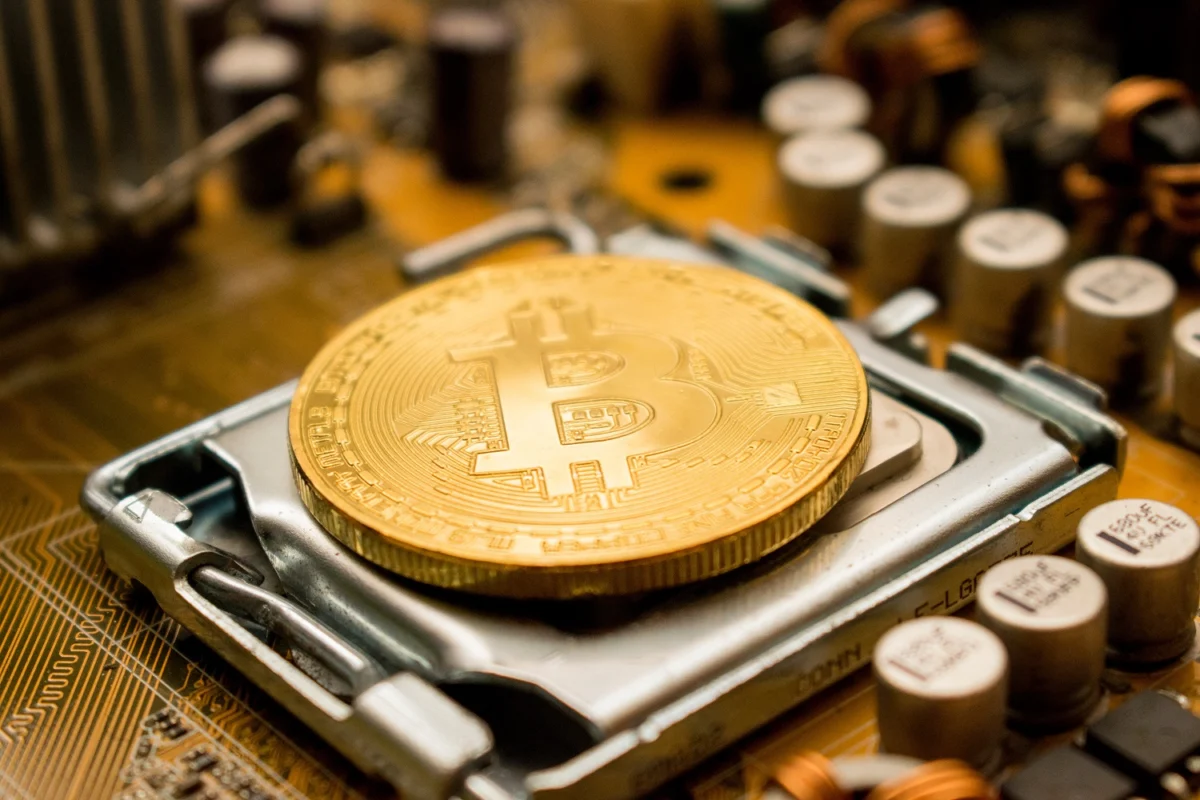
The Russian Association of Crypto Industry and Blockchain (RACIB) has officially launched a comprehensive strategic project designed to position the Russian Federation as the primary destination for global Bitcoin mining operations. This move comes at a critical juncture in the evolution of the cryptocurrency ecosystem, as the industry undergoes a massive geographical redistribution of its computing power. By leveraging the nation’s vast energy surpluses, favorable climatic conditions, and existing industrial infrastructure, RACIB aims to capture the market share left vacant by the ongoing regulatory shifts in East Asia.
The initiative represents a concerted effort to institutionalize the mining sector within Russia, transitioning it from a fringe activity into a cornerstone of the nation’s digital economy. As mining firms seek stability and low-cost overheads, the Russian proposal highlights a unique combination of economic and logistical advantages that few other nations can match.
The Great Mining Migration: Context and Catalysts
The global cryptocurrency mining landscape was fundamentally altered following a series of aggressive regulatory crackdowns in China, which had historically served as the world’s undisputed mining hub. In mid-2021, the Chinese State Council’s Financial Stability and Development Committee announced a decisive ban on Bitcoin mining and trading, citing concerns over financial risks and the environmental impact of energy consumption.
Prior to this crackdown, China accounted for approximately 65% to 75% of the global Bitcoin hashrate—the total computational power used to secure the network. The sudden displacement of millions of mining rigs created a phenomenon known as the "Great Mining Migration." Large-scale mining conglomerates were forced to liquidate assets or seek immediate relocation to jurisdictions with favorable energy prices and stable regulatory outlooks.
While North America and Central Asia initially absorbed a significant portion of this displaced capacity, Russia has identified a strategic window to assert its dominance. According to RACIB, the Russian Federation possesses the inherent structural advantages necessary to host the next generation of industrial-scale mining clusters.
Russia’s Energy Landscape: A Competitive Edge
The primary driver of RACIB’s initiative is Russia’s unparalleled energy profile. The nation consistently ranks among the top five global producers of electricity, supported by a diverse mix of nuclear, hydroelectric, and thermal power plants. Crucially, Russia faces a unique challenge that Bitcoin mining is perfectly suited to solve: a massive surplus of electricity production capacity.
In several administrative regions, the energy surplus reaches as high as 50%. This "stranded energy"—power that is generated but cannot be efficiently transported to high-demand urban centers or exported—represents a significant economic loss for utility providers. Bitcoin miners act as "buyers of last resort," consuming this excess power and providing a steady stream of revenue for the energy sector without requiring expensive new grid infrastructure.
RACIB emphasizes that the accessibility of traditional fuels, such as natural gas and coal, further ensures a stable and low-cost energy supply. By integrating mining operations directly into the energy complex, Russia can offer some of the most competitive electricity rates in the world, often significantly lower than those found in Western Europe or the United States.
The Environmental Factor: Hydroelectric and Nuclear Power
As institutional investors place increasing emphasis on Environmental, Social, and Governance (ESG) criteria, the "green" credentials of Bitcoin mining have become a focal point of industry debate. RACIB has countered criticisms of mining’s carbon footprint by highlighting that approximately 40% of Russia’s power grid is supplied by carbon-neutral sources, including hydroelectricity and nuclear energy.
Regions such as Siberia, particularly the Irkutsk and Bratsk areas, are home to some of the world’s largest hydroelectric power stations. These facilities provide massive amounts of cheap, renewable energy. By directing foreign mining investments toward these eco-friendly hubs, Russia aims to present itself as a sustainable alternative to coal-heavy mining regions. The association argues that the formation of specialized "green clusters" will support the global digital economy while adhering to international environmental trends.
Geographical and Climatic Advantages
Beyond energy costs, the physical environment plays a crucial role in the profitability of mining operations. Bitcoin mining hardware—specifically Application-Specific Integrated Circuits (ASICs)—generates immense amounts of heat. In warmer climates, operators must invest heavily in sophisticated cooling systems and additional electricity to maintain equipment at functional temperatures.
Russia’s vast northern territories and Siberian heartland offer a natural solution: "free cooling." The naturally cold climate allows mining facilities to use ambient air for heat dissipation, drastically reducing capital expenditure on cooling infrastructure and lowering ongoing operational costs.
Furthermore, Russia’s low population density in industrial regions provides ample space for the construction of massive data centers. Many of these regions contain abandoned or underutilized Soviet-era industrial sites that already possess the high-voltage electrical connections required for mining. This existing infrastructure allows for rapid deployment of mining rigs compared to other regions where "greenfield" construction is necessary.
Navigating Regional Competition: The Kazakhstan Factor
The urgency of RACIB’s project is underscored by the rapid rise of neighboring Kazakhstan. Following the Chinese exodus, Kazakhstan emerged as a top-tier destination, briefly overtaking Russia in terms of global hashrate share. Data from the Cambridge Centre for Alternative Finance (CCAF) indicated that Kazakhstan moved into the third position globally, while Russia slipped to fourth.
However, Kazakhstan’s rapid ascent has been met with challenges, including grid instability and the introduction of new taxes and regulatory hurdles for miners. RACIB views this as an opportunity to reclaim Russia’s standing. By offering a more structured and association-backed framework, the Russian project intends to provide the "institutional security" that large-scale foreign investors require. The goal is not merely to compete on price but to offer a superior, stable ecosystem for long-term capital deployment.

Regulatory Outlook and Government Relations
The success of RACIB’s initiative depends heavily on the domestic regulatory environment, which remains a subject of intense debate within the Russian government. The Russian Central Bank has historically maintained a skeptical stance toward cryptocurrencies, citing risks to financial stability and the potential for illicit use. In contrast, the Ministry of Finance and the Ministry of Economic Development have expressed support for a regulated mining industry that can generate tax revenue and stimulate technological growth.
RACIB’s project serves as a bridge between the industry and the state. By organizing miners under a professional association, RACIB aims to facilitate the drafting of clear legislation that defines the legal status of mining, ensures transparent tax reporting, and protects the rights of foreign and domestic investors. The association argues that a legalized and regulated mining sector could contribute billions of rubles to the federal budget annually.
Market Implications and the Bitcoin Network
The proposed influx of mining capacity into Russia has broader implications for the Bitcoin network. Increased geographical decentralization is generally viewed as a positive for the network’s security and resilience. By distributing the hashrate across diverse jurisdictions, the network becomes less vulnerable to the policy shifts of any single nation.
At the time of this initiative’s launch, the Bitcoin market has experienced significant volatility. With prices fluctuating around the $30,000 to $35,000 range, miners are under increased pressure to optimize their margins. The "hashprice"—a measure of the expected value of hashing power—has tightened, making low-cost electricity the single most important factor for survival in the industry. Russia’s push to lower these costs could prove to be a lifeline for mid-sized firms struggling with high overheads in other regions.
Economic and Technological Impacts
The RACIB project is not solely focused on electricity consumption; it is also a play for technological sovereignty. Large-scale mining operations require a workforce of technicians, software engineers, and logistics experts. By hosting these clusters, Russia fosters a local talent pool with expertise in blockchain infrastructure and high-performance computing.
Furthermore, the demand for mining hardware has spurred interest in domestic manufacturing and repair services. While the majority of ASIC miners are currently produced in China, the establishment of a massive mining hub in Russia could lead to the development of a secondary market for hardware maintenance and eventually, localized hardware assembly.
Conclusion: A Pivot Toward the Digital Future
The Russian Association of Crypto Industry and Blockchain’s project represents a calculated move to capitalize on a once-in-a-generation shift in the global digital economy. By positioning Russia as a "safe harbor" for Bitcoin miners, the association is attempting to transform the country’s vast energy resources into a high-tech export.
The road ahead is not without obstacles. International sanctions, domestic regulatory uncertainty, and the inherent volatility of the cryptocurrency market present significant risks. However, the fundamental logic of the project—matching a global demand for low-cost, cold-climate computing with an abundance of Russian supply—remains compelling. As the "Great Mining Migration" continues to find its final equilibrium, Russia’s aggressive pursuit of the industry may well determine the future power structure of the Bitcoin network.














