


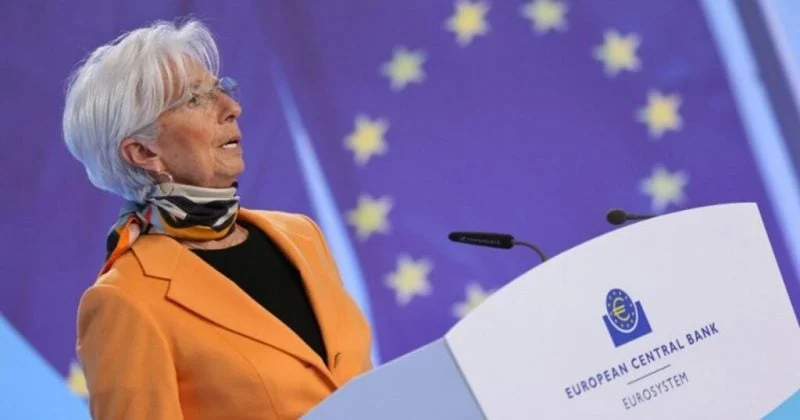
The European Central Bank (ECB) has escalated its rhetorical and regulatory pressure on the burgeoning stablecoin sector, delivering a stark message to developers, institutional holders, and speculative investors: the central bank remains deeply skeptical of private digital assets and is prepared to intervene to protect the integrity of the eurozone’s financial architecture. On May 22, 2026, the ECB issued a formal warning to European Union finance ministers, asserting that the unchecked expansion of euro-denominated stablecoins poses a multi-faceted threat to the traditional banking sector. The central bank’s primary concerns center on the potential for stablecoins to drain retail bank deposits, drive up funding costs for commercial lenders, and ultimately dilute the ECB’s ability to steer monetary policy through traditional interest rate mechanisms.
This latest intervention marks a significant hardening of the ECB’s stance as the global digital asset market approaches a critical juncture. While the European Union has positioned itself as a regulatory leader through the implementation of the Markets in Crypto-Assets Regulation (MiCAR), the ECB’s recent communications suggest that regulation alone may not be sufficient to mitigate the systemic risks it perceives. The central bank is now framing the rise of private stablecoins not merely as a technological evolution, but as a direct challenge to the "monetary anchor" provided by central bank money.
President Lagarde and the Defense of Monetary Sovereignty
The ECB’s current offensive is the culmination of a long-standing strategy spearheaded by President Christine Lagarde. For several years, Lagarde has been vocal about the limitations of private digital currencies, arguing that they lack the foundational stability required to underpin a modern economy. In a keynote address delivered on May 8, 2026, Lagarde was uncharacteristically direct, drawing a clear distinction between public money issued by a central bank and private tokens issued by corporate entities.
"Private stablecoins, by their nature, cannot anchor the monetary system," Lagarde stated, reinforcing the view that only a central bank can provide the ultimate "risk-free" asset. The ECB’s philosophy holds that the stability of the euro depends on a single, unified currency that is exchangeable at par across all forms—whether physical cash, commercial bank deposits, or digital representations. The central bank fears that a fragmented landscape of private stablecoins, each managed by different issuers with varying reserve qualities, could break this "singleness of money" and lead to a bifurcated financial system.
This stance is supported by the findings of the ECB’s November 2025 Financial Stability Review, which identified specific technical and systemic vulnerabilities within the stablecoin ecosystem. Topping the list of concerns is "de-pegging risk," a scenario in which a stablecoin loses its 1:1 value parity with its reference currency. Such events, often triggered by liquidity crises or loss of confidence in reserve assets, can lead to "bank runs" in the digital space, where investors rush to exit their positions simultaneously, causing a collapse in value and potential contagion to the broader financial markets.
The Challenge of Global Dollarization and Market Dynamics
A significant portion of the ECB’s anxiety stems from the overwhelming dominance of the U.S. dollar in the digital asset space. Currently, dollar-pegged tokens command a global market capitalization exceeding $300 billion, representing the lion’s share of the stablecoin market. The two largest players, Tether (USDT) and Circle (USDC), together account for approximately 90% of the total stablecoin supply. This "dollarization" of the crypto-economy presents a strategic challenge for the ECB, as it limits the international role of the euro and forces European users into a dollar-denominated digital infrastructure.
By contrast, euro-denominated stablecoins remain a niche segment of the market. As of January 2026, the total market capitalization of euro stablecoins stood at approximately €450 million. While this represents significant growth from the €50 million recorded at the start of 2024, it remains a fraction of the dollar-pegged market. However, market projections suggest that the global stablecoin market could reach $2 trillion by 2028. The ECB is concerned that if this growth is not captured by regulated, central-bank-backed solutions, the eurozone could lose its monetary autonomy to private issuers or foreign-denominated assets.
The concentration of reserves is another point of contention. Many stablecoin issuers hold the vast majority of their reserves in U.S. Treasuries or dollar-denominated commercial paper. For the ECB, this creates a scenario where European financial activity is indirectly supporting the U.S. national debt while simultaneously bypassing the European banking system. If a euro-denominated stablecoin were to follow a similar path, it could lead to a massive outflow of capital from European banks into government debt instruments, reducing the amount of credit available for European businesses and households.
Regulatory Frameworks and the Impact of MiCAR
The European Union’s primary tool for managing these risks is the Markets in Crypto-Assets Regulation (MiCAR), which reached full implementation at the end of 2024. MiCAR is widely regarded as the most comprehensive regulatory framework for digital assets in any major jurisdiction. It imposes strict requirements on stablecoin issuers, including mandates for reserve management, liquidity buffers, and transparency.
Under MiCAR, issuers of "asset-referenced tokens" and "e-money tokens" must maintain reserves that are legally segregated from the issuer’s own assets and must be held in low-risk, highly liquid instruments. For major dollar-pegged issuers like Tether and Circle, MiCAR has already necessitated a restructuring of European operations. These companies have had to seek specific licenses and adapt their reserve compositions to meet EU standards, a process that has occasionally created friction between the industry and regulators.
The ECB has stressed that while MiCAR provides a necessary floor for consumer protection and financial stability, it is not a panacea. The central bank continues to advocate for global alignment in regulation to prevent "regulatory arbitrage," where issuers move their operations to jurisdictions with more lenient oversight while still offering services to European citizens. The ECB’s May 22 warning suggests that even with MiCAR in place, the central bank remains wary of the sheer scale that private stablecoins could reach, potentially overwhelming the existing regulatory safeguards.
The Digital Euro Roadmap and Private Banking Initiatives
As a strategic counterweight to private stablecoins, the ECB is advancing its own digital euro project. However, the central bank has been careful to manage expectations regarding its timeline, confirming that a digital euro will not be launched before 2029 at the earliest. This multi-year gap creates a period of uncertainty where private stablecoins have the opportunity to establish deeper roots in the financial ecosystem.
The digital euro is envisioned as a Central Bank Digital Currency (CBDC) available for everyday transactions. Unlike private stablecoins, which are liabilities of a private company, the digital euro would be a direct liability of the ECB, making it as safe as physical cash. The project is currently in a "preparation phase," focusing on the technical architecture, privacy protections, and the legal framework required for a rollout across the 20-nation currency bloc.
In the interim, the private banking sector has not remained idle. The Qivalis consortium, a significant banking initiative focused on developing euro-denominated digital payment solutions, has expanded its membership to 37 banks across the continent. These banks are seeking to create their own digital settlement assets that comply with existing regulations while offering the speed and efficiency of blockchain technology.
Despite the collaborative nature of Qivalis, the ECB has remained firm in its rejection of "quick fixes" or short-term enhancements to private euro stablecoins. The central bank has dismissed proposals that would allow private issuers to hold reserves directly at the central bank, a move that some argue would make private stablecoins "safer." The ECB’s refusal is rooted in its desire to maintain a clear distinction between public and private money and to avoid providing a "central bank seal of approval" to assets it does not directly control.
Implications for the Banking Sector and Investors
The ECB’s warning carries significant implications for the traditional banking sector. The central bank’s analysis suggests that if stablecoins become a primary vehicle for savings and transactions, retail deposits could migrate out of commercial banks. This "disintermediation" would force banks to seek more expensive sources of funding, such as wholesale market borrowing, which would likely lead to higher interest rates for loans and mortgages.
For investors, the ECB’s stance signals a period of heightened scrutiny and potential volatility. The central bank’s willingness to use its regulatory tools to constrain the growth of private stablecoins could limit the liquidity and utility of these assets within the European market. Investors in USDT, USDC, and emerging euro stablecoins must now navigate a landscape where the central bank is actively working to minimize the market share of private digital assets in favor of a future digital euro.
Furthermore, the ECB’s focus on the "transmission of monetary policy" indicates that it will not tolerate digital assets that interfere with its ability to control inflation and economic growth. If stablecoins create a parallel financial system that does not respond to the ECB’s interest rate changes, the central bank may pursue even more aggressive measures to bring those assets under its direct or indirect control.
Conclusion: A Multi-Year Standoff
The European Central Bank’s message to the finance ministers of the EU is a clear indication that the battle for the future of digital money in Europe is only beginning. By drawing a line in the sand, President Lagarde has signaled that the ECB will prioritize monetary sovereignty and financial stability over the rapid adoption of private-sector innovations.
The timeline through 2029 will be a critical period of transition. As the digital euro moves through its developmental milestones, the private stablecoin market will continue to evolve, likely testing the limits of the MiCAR framework. The ECB’s regulatory tools can constrain the growth of these assets, but the global demand for digital-native currency remains a powerful force. Whether the digital euro can arrive in time—and with enough functionality—to displace private competitors remains the central question for the eurozone’s financial future. For now, the ECB remains "unimpressed" and highly vigilant, ensuring that the path to a digital future remains firmly under the control of the central bank.














