The South Korean government is reportedly considering a significant reversal of its stance on Initial Coin Offerings (ICOs), signaling a potential transition from a blanket prohibition to a conditional regulatory framework. This development, as reported by local media outlets including The Korea Times, suggests that financial authorities are exploring ways to allow domestic companies to raise capital through digital tokens, provided they adhere to stringent investor protection and anti-money laundering (AML) standards. The move marks a pivotal moment for the South Korean digital asset landscape, which has been characterized by intense regulatory scrutiny and market volatility since the height of the cryptocurrency boom in 2017.
According to internal sources familiar with the matter, the Financial Services Commission (FSC) has initiated discussions with the National Tax Service, the Ministry of Justice, and other relevant government departments to outline a path forward for the legalization of ICOs. While the ban enacted in September 2017 remains technically in force, the current discourse suggests that the administration is preparing to pivot toward a system that balances innovation with financial stability. The potential lifting of the ban follows months of lobbying from the domestic tech industry and a growing realization within the government that a total prohibition may be stifling the growth of the country’s burgeoning blockchain sector.
The Historical Context of South Korea’s Regulatory Stance
To understand the significance of this policy shift, one must look back at the tumultuous period of 2017 and early 2018. During this time, South Korea emerged as one of the most active cryptocurrency markets in the world, often accounting for a disproportionate share of global trading volume for assets like Bitcoin, Ethereum, and Ripple. This intense demand led to the phenomenon known as the "Kimchi Premium," where digital assets traded at significantly higher prices on South Korean exchanges compared to international platforms.
However, the rapid influx of retail capital into the crypto market raised alarms within the Blue House and the Ministry of Finance. Regulators expressed concerns over speculative manias, the potential for large-scale fraud, and the use of cryptocurrencies in money laundering and capital flight. In September 2017, the FSC took the drastic step of banning all forms of ICOs, regardless of the project’s merit or the technology involved. The authorities argued that the lack of oversight made ICOs a high-risk vehicle for financial crimes.
The situation reached a fever pitch in early 2018 when Justice Minister Park Sang-ki suggested that the government was preparing a bill to shut down all local cryptocurrency exchanges. This statement triggered a massive sell-off, contributing to a sharp decline in global cryptocurrency prices and sparking a backlash from the South Korean public. A national petition against the shutdown garnered over 200,000 signatures, forcing the government to clarify that while regulation was necessary, a total ban on trading was not the immediate goal.
The Gradual Shift Toward Tolerance
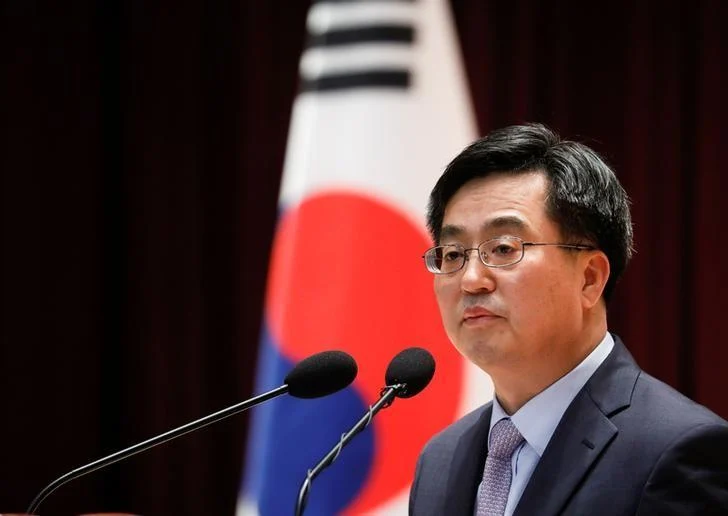
The recent reports of a potential ICO ban reversal reflect a more nuanced approach that began to take shape in early 2018. Following the initial shock of regulatory threats, Finance Minister Kim Dong-yeon and other high-ranking officials began to adopt a more moderate tone. They emphasized that the government’s primary objective was not to destroy the market, but to ensure it operated within the bounds of the law.
Kang Young-soo, an official overseeing cryptocurrency trading policies at the FSC, recently addressed the speculation regarding ICOs. He noted that while there is no official change to the government policy yet, the FSC is cognizant of the industry’s perspectives. Kang indicated that the government is distinguishing between the speculative aspects of cryptocurrency trading and the underlying potential of blockchain technology. "We have to have plans on how to advance blockchain-related technologies and effectively regulate crypto-trading. This is a separate issue," Kang stated during a recent industry forum at the National Assembly.
This "separate issue" approach is critical. The South Korean government appears to be moving toward a dual-track policy: fostering the development of blockchain as a pillar of the "Fourth Industrial Revolution" while maintaining a tight grip on the financial activities associated with digital tokens.
Proposed Conditions for ICO Legalization
The reports suggest that the lifting of the ICO ban will not be a "free-for-all." Instead, the government is looking at a "conditional" model. While the specific details are still under deliberation, industry analysts expect the following requirements to be part of any new framework:
- Mandatory Disclosures and Audits: Companies wishing to launch an ICO would likely be required to provide detailed whitepapers, financial statements, and undergo third-party audits to ensure the legitimacy of the project.
- Investor Suitability Standards: To protect retail investors, the government may limit ICO participation to "qualified investors" or place caps on the amount an individual can contribute.
- Strict AML/KYC Compliance: All projects would need to implement rigorous Know Your Customer (KYC) and Anti-Money Laundering (AML) protocols. This aligns with the "Real-Name Account" system introduced in January 2018, which requires crypto traders to use bank accounts linked to their verified identities.
- Taxation Frameworks: The involvement of the National Tax Service in current discussions indicates that a clear taxation strategy for ICO proceeds and investor gains will be a prerequisite for legalization.
The Impact on the Domestic Tech Ecosystem
The potential legalization of ICOs is seen as a lifeline for South Korean startups. Currently, many Korean blockchain firms are forced to incorporate in jurisdictions like Singapore or Switzerland to conduct token sales, resulting in a "brain drain" and the loss of potential tax revenue for the South Korean state. By bringing ICOs back onshore, the government could revitalize the local tech ecosystem and position Seoul as a competing hub with Tokyo and Hong Kong.
Major South Korean conglomerates, or chaebols, are also watching these developments closely. Companies like Kakao, the operator of the nation’s most popular messaging app, and Line, the subsidiary of Naver, have already launched their own blockchain initiatives. A clear regulatory path for ICOs would likely encourage more traditional enterprises to integrate blockchain technology into their business models, ranging from supply chain management to digital identity verification.
Global Market Implications and Comparisons
South Korea’s move toward a regulated ICO market would stand in stark contrast to the approach taken by its neighbor, China, which maintains a comprehensive ban on both ICOs and domestic cryptocurrency exchanges. Conversely, it would bring South Korea closer to Japan, which has established a licensing system for exchanges and is progressively clarifying its rules for token offerings.
The global cryptocurrency market remains highly sensitive to news from the South Korean peninsula. Given the country’s high adoption rates and sophisticated technological infrastructure, a move to legalize ICOs could provide a significant psychological boost to the market. It would signal to international investors that one of the world’s most proactive regulators has found a way to coexist with the digital asset industry.
Persistent Challenges: Security and Foreign Participation
Despite the optimistic outlook regarding ICOs, several hurdles remain. The memory of high-profile hacks, such as the Coincheck breach in Japan and domestic incidents involving Bithumb, continues to haunt regulators. Security standards for platforms hosting ICOs will likely be a major point of contention in the upcoming policy drafts.
Furthermore, the government has shown no sign of lifting the ban on foreign participation in the South Korean crypto markets. Since early 2018, foreigners have been barred from trading on local exchanges to prevent the circumvention of capital controls and to mitigate money laundering risks. This isolationist policy remains a point of friction for those who argue that the cryptocurrency market is inherently global. If South Korea intends to become a global blockchain leader, it may eventually need to reconcile its domestic security concerns with the borderless nature of the technology.
Conclusion and Future Outlook
The discussions within the FSC and other government bodies represent a pragmatic evolution of South Korean financial policy. The 2017 ban served as a "cooling-off" period that allowed the government to catch its breath amidst a period of unprecedented market mania. Now, with a better understanding of the risks and rewards, the administration appears ready to move toward a mature regulatory environment.
The transition to a conditional ICO framework will not happen overnight. It will require legislative amendments and the establishment of new oversight bodies. However, the shift in rhetoric from "total ban" to "conditional permission" is a clear indicator that South Korea is preparing for a future where digital assets are a recognized component of the national economy. As the FSC continues its dialogue with the justice and tax departments, the global blockchain community will be watching closely, anticipating that one of Asia’s most influential markets is finally ready to reopen its doors to innovation.