For years, the pursuit of privacy within the cryptocurrency landscape has largely necessitated a choice between niche, purpose-built privacy coins and the widespread utility of transparent digital assets. This paradigm is now being challenged by Unstoppable Wallet, which has announced a new feature designed to allow users to send Tether (USDT) and USD Coin (USDC) – the two most dominant stablecoins – without exposing their entire financial history. This development represents a significant stride toward integrating enhanced privacy into the daily transactions of the broader crypto ecosystem, moving beyond the specialized domains of privacy-centric cryptocurrencies like Monero (XMR), Zcash (ZEC), and Zano (ZANO).
The Inherent Transparency Problem in Mainstream Stablecoins
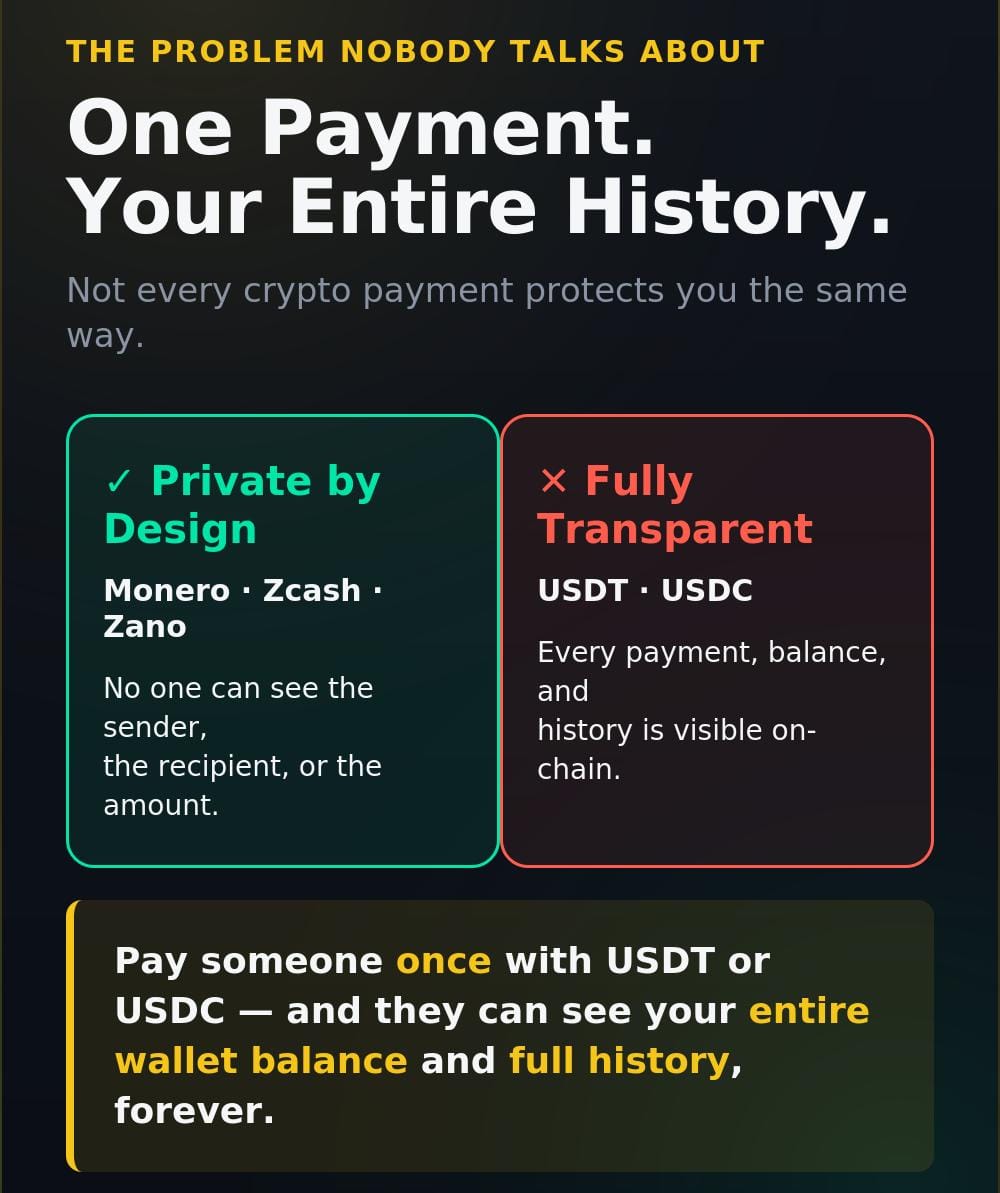
While privacy coins offer robust anonymity, obscuring sender, recipient, and transaction amounts, their adoption in everyday commerce remains limited. Stablecoins, by contrast, have achieved immense popularity due to their price stability, pegging their value to fiat currencies like the US dollar. USDT and USDC, with market capitalizations frequently exceeding $100 billion and $30 billion respectively, and commanding vast daily trading volumes, have become the de facto medium of exchange for a significant portion of the crypto economy. They facilitate everything from international remittances and freelance payments to decentralized finance (DeFi) interactions and merchant settlements.
However, the widespread utility of stablecoins comes with a critical, often overlooked, privacy trade-off. Both USDT and USDC primarily operate on public, transparent blockchains such as Ethereum (ERC-20) and Tron (TRC-20). On these ledgers, every transaction is immutably recorded and publicly viewable via block explorers. This transparency means that a user’s wallet address, once known, becomes a permanent window into their complete financial activities. A single payment made to a coffee shop, a freelancer, or a merchant can inadvertently reveal the payer’s entire wallet balance, historical transactions, and even future financial movements linked to that address. This creates a persistent surveillance risk, where every counterparty gains an unrequested and potentially indefinite insight into a user’s financial life – a privacy posture fundamentally different from traditional cash transactions, or even many conventional banking systems where transaction details are typically private between parties.
Unstoppable Wallet’s Proposed Solution: Bridging the Privacy Gap
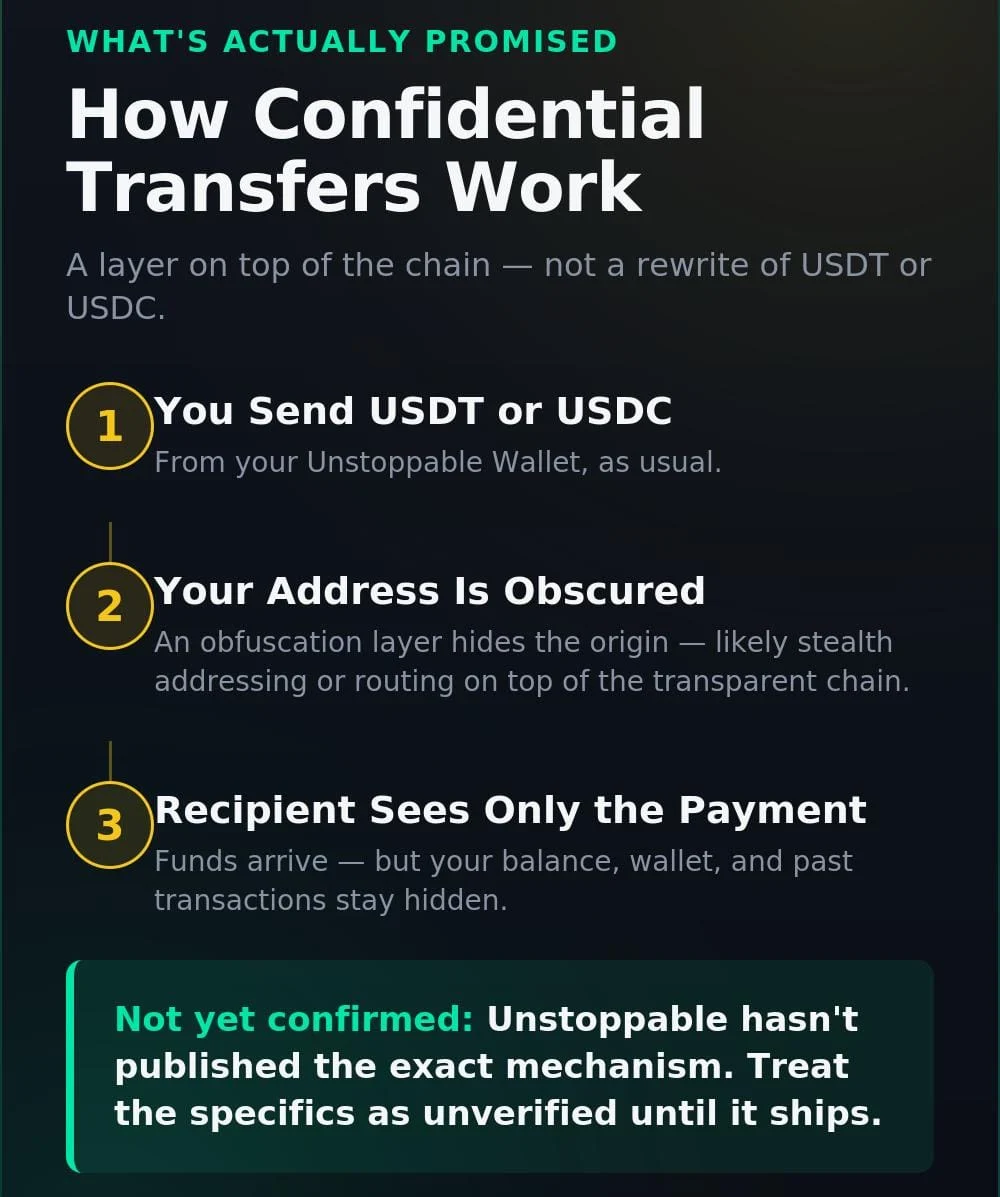
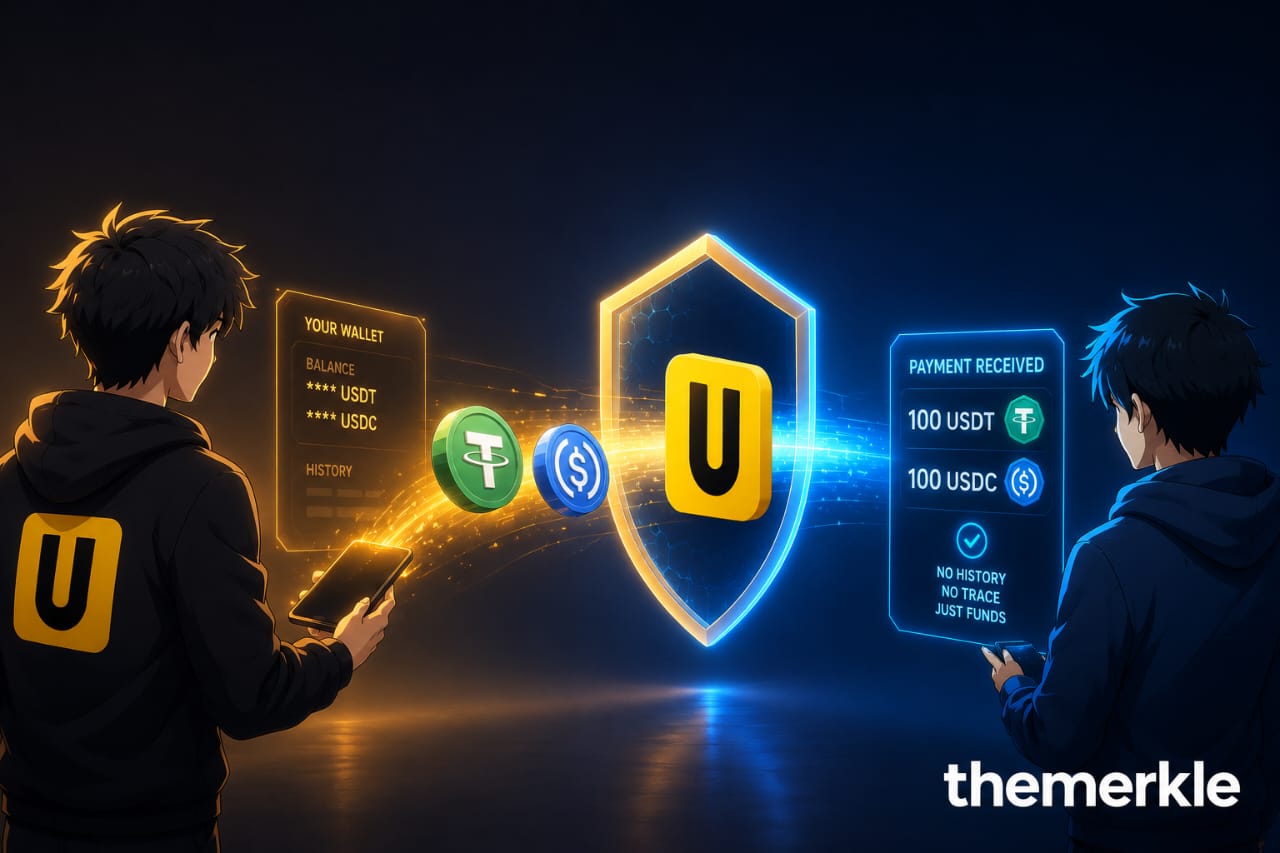
Unstoppable Wallet’s recent announcement directly addresses this fundamental privacy deficit. The company has declared that users will soon be able to execute confidential payments using USDT and USDC, preventing recipients from tracing funds back to the originating address. According to the team, this means the person receiving a payment would see the funds arrive, but would be unable to link the transaction to the sender’s main wallet, their overall balance, or any prior or subsequent financial activities associated with that wallet. The feature is anticipated to roll out in the coming days, marking a pivotal moment in the evolution of stablecoin utility.
The strategic framing of this announcement by Unstoppable Wallet is noteworthy. Rather than focusing on technical specifications, the company has highlighted a pervasive privacy problem that many stablecoin users are unaware they face. By articulating the implicit exposure of one’s entire financial history with every transparent stablecoin transaction, Unstoppable Wallet has underscored the critical need for such a feature, positioning it as a fundamental enhancement rather than a mere convenience. This approach aims to resonate with a broad user base increasingly concerned about digital surveillance and financial data exposure.
Technical Underpinnings and Industry Speculation
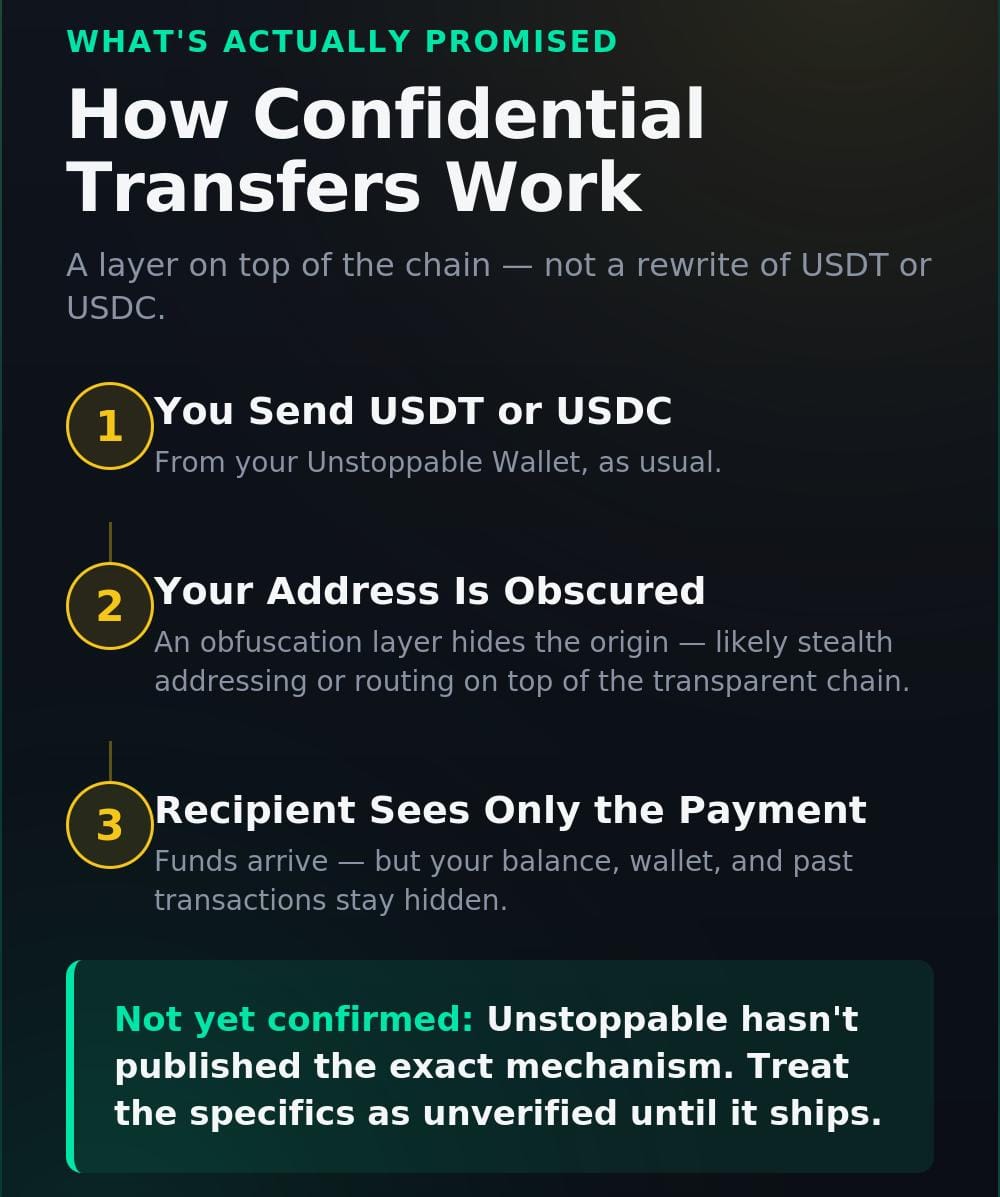
While Unstoppable Wallet has yet to publish the precise technical mechanism underpinning this new privacy feature, industry observers and technical analysts are speculating on potential approaches. It is widely understood that a wallet application cannot fundamentally alter the protocol-level transparency of stablecoins, as the underlying token contracts and blockchain visibility rules are controlled by issuers like Tether and Circle. Therefore, the solution likely involves an obfuscation layer or an intermediary routing mechanism operating on top of the existing transparent blockchain.
One widely discussed method for achieving transaction privacy on transparent ledgers is "stealth addressing." In a stealth addressing scheme, for each transaction, a new, unique, one-time-use address is generated for the recipient. This address is derived from a shared secret between the sender and recipient, or a cryptographic process that ensures only the intended recipient can detect and claim the funds. Because a different address is used for every transaction, it becomes exceedingly difficult for outside observers to link multiple payments to the same sender or recipient, thus breaking the chain of traceability. This mechanism effectively hides the originating address from the recipient while maintaining the transaction on the public ledger.
Another possibility involves an intermediary routing mechanism, akin to a "coin mixer" or "transaction relayer," but potentially integrated more seamlessly and with a specific focus on stablecoins. Such a system would receive funds from the sender, mix them with other transactions, and then forward them to the recipient from a fresh, untraceable address. However, traditional mixers have faced intense regulatory scrutiny due to their potential misuse for illicit activities. Unstoppable Wallet’s implementation would likely need to differentiate itself significantly to avoid similar classifications.
Until detailed technical documentation is released and the feature undergoes independent security audits, the exact method remains speculative. However, the stated objective is clear: to sever the direct link between a sender’s public wallet address and the transaction visible to the recipient, thereby safeguarding the sender’s broader financial history.
The Broader Context: A Historical Struggle for Crypto Privacy
The quest for financial privacy in the digital realm is not new. From the early days of Bitcoin, where pseudonymity was often mistaken for anonymity, the inherent transparency of public ledgers quickly became apparent. This led to the emergence of dedicated privacy coins like Monero, launched in 2014, which employs advanced cryptographic techniques such as ring signatures, stealth addresses, and confidential transactions to obscure transaction details. Zcash, introduced in 2016, offers "shielded transactions" utilizing zero-knowledge proofs (zk-SNARKs) to verify transactions without revealing sensitive information. These projects have demonstrated the technical feasibility of robust on-chain privacy.
However, privacy coins have consistently faced challenges in achieving mainstream adoption. Their specialized nature often leads to lower liquidity on exchanges, fewer direct integration points with payment processors, and increased regulatory scrutiny dueating to their perceived potential for illicit use. Consequently, the vast majority of daily cryptocurrency transactions continue to occur on transparent public blockchains using assets like Bitcoin, Ethereum, and stablecoins. Unstoppable Wallet’s initiative represents a strategic shift: instead of trying to move users to privacy coins, it aims to bring privacy features to the coins users already predominantly utilize.
Market Impact and User Implications
If Unstoppable Wallet’s confidential stablecoin transfers function as described, the implications for everyday crypto users could be profound. Freelancers who receive payments in USDT or USDC, merchants accepting these stablecoins, or individuals splitting bills and tipping in digital assets currently risk exposing their entire financial portfolio to every counterparty. This new feature could significantly mitigate that risk.
For instance, a freelancer receiving multiple payments from different clients would no longer need to worry about each client gaining a persistent view of their accumulated earnings or other wallet activities. Merchants could accept stablecoins without fear that their payment address would reveal their total sales volume or inventory movements to competitors or curious customers. This enhancement could foster greater comfort and confidence in using stablecoins for a wider array of personal and business transactions, potentially accelerating their adoption in contexts where financial discretion is valued.
This development could also narrow the perceived gap between "privacy coin users" and "everyday stablecoin users." It enables individuals to leverage the stability and widespread acceptance of USDT and USDC while simultaneously benefiting from a level of financial privacy previously exclusive to more specialized assets. This could contribute to a more mature and diverse digital economy where users have greater control over their financial data.
Regulatory Scrutiny and Compliance Concerns
Despite the clear benefits for user privacy, any new privacy-enhancing tool in the cryptocurrency space is likely to attract significant regulatory attention. The history of crypto mixers, such as Tornado Cash, provides a stark precedent. In August 2022, the U.S. Treasury Department’s Office of Foreign Assets Control (OFAC) sanctioned Tornado Cash, alleging its use in laundering billions of dollars for cybercriminals, including state-sponsored groups. This action highlighted regulators’ willingness to act against privacy tools deemed to facilitate illicit finance, even if they also serve legitimate privacy needs.
Unstoppable Wallet’s confidential stablecoin transfers, by offering an obfuscation layer, could sit uncomfortably close to the types of tools that have drawn such scrutiny. Regulators worldwide are increasingly focused on Anti-Money Laundering (AML) and Counter-Financing of Terrorism (CFT) compliance within the crypto sector. The ability to send stablecoins without revealing the originating address, while beneficial for privacy, could be viewed by some authorities as hindering traceability for law enforcement.
The critical factor will be how Unstoppable Wallet structures its implementation and its approach to compliance. If the mechanism is designed with robust safeguards, potentially incorporating elements that allow for selective disclosure under specific legal mandates (though this would introduce complexity), it might navigate the regulatory landscape more effectively. However, depending on the architecture, there is a risk that the feature could invite similar challenges faced by other privacy-enhancing services, particularly if regulators perceive it as a tool that significantly impedes their ability to track illicit flows.
Technical Verification and Early Adopter Risks
A crucial aspect of any new privacy feature in crypto is independent verification. Unaudiated privacy claims pose a significant risk; users must rely on the development team’s word regarding the effectiveness of the obfuscation. Until independent security researchers or auditors thoroughly examine Unstoppable Wallet’s actual implementation, its resilience against determined chain analysis and deanonymization attempts remains theoretical. The cryptocurrency community places high value on open-source code and peer review for security and privacy assurances. A transparent audit process would be vital for building user trust and validating the efficacy of the proposed solution.
Furthermore, early adoption of novel privacy tools carries inherent risks. When an obfuscation method is new and its user base is small, the "anonymity set" – the group of users whose transactions are indistinguishable from each other – can be limited. A small anonymity set can sometimes make deanonymization easier rather than harder, as patterns might emerge that allow sophisticated chain analysis tools to link transactions. As such, early users are, to some extent, acting as a test group. The privacy benefits typically increase as the user base grows and the volume of "mixed" or obfuscated transactions becomes substantial, making it statistically harder to isolate individual transaction flows. Users considering this feature upon its release should be aware of these early-adopter dynamics and potentially exercise caution with highly sensitive transactions until the feature has been widely adopted and rigorously tested in real-world scenarios.
A Cautiously Optimistic Outlook
Unstoppable Wallet’s announcement of confidential USDT and USDC payments represents a genuinely interesting and potentially transformative development for the cryptocurrency ecosystem. By extending meaningful privacy protections to the stablecoins that dominate daily transactions, the wallet addresses a critical and largely unacknowledged vulnerability in digital finance. The company deserves credit for clearly identifying this problem and proposing an innovative solution that does not require users to abandon their preferred assets.
However, a cautious and analytical perspective is warranted. The success and long-term viability of this feature will depend on several factors: the robustness of its technical implementation against sophisticated chain analysis, its ability to navigate an increasingly complex and stringent regulatory environment, and its adoption by a sufficiently large user base to provide a strong anonymity set. Users are advised to monitor the rollout closely, meticulously review any technical documentation published by Unstoppable Wallet, and approach the feature with an understanding of the inherent early-adopter risks associated with any nascent privacy technology. The coming weeks and months will reveal whether this ambitious endeavor can live up to its promise and truly reshape the landscape of stablecoin privacy.