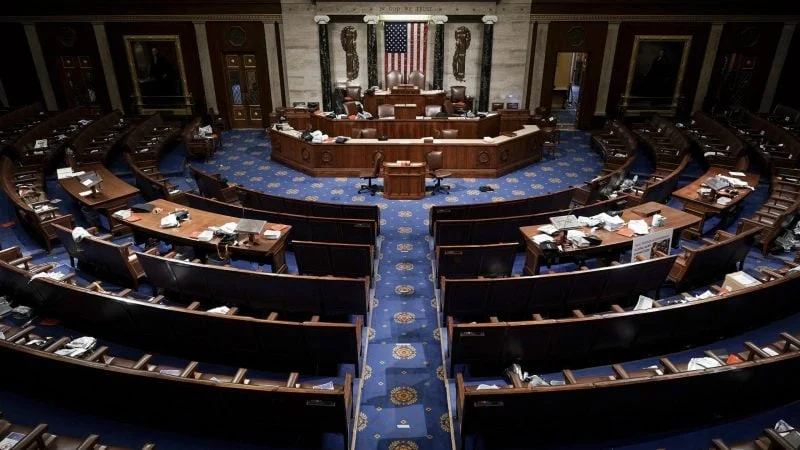
The United States Senate failed to advance the Digital Asset Market Clarity Act on Tuesday afternoon, as the highly anticipated legislation fell short of the 60 votes required to overcome a critical procedural hurdle. The failure to invoke cloture on the motion to proceed represents a significant setback for the cryptocurrency industry, which has spent years lobbying for a comprehensive federal framework to govern digital asset market structures. According to the unofficial tally from the Senate floor webcast, more than 40 senators voted against the motion, effectively halting the bill’s momentum and casting a shadow over the future of crypto-specific regulation in the current legislative session. This procedural defeat likely concludes the Senate’s efforts to pass a major market structure bill before the 2026 calendar year, particularly as the looming November midterm elections shift the focus of lawmakers toward campaigning and constituent engagement.
The immediate reaction across digital asset markets was one of sharp disappointment. Bitcoin, which had been trading near record highs earlier in the week on optimism for a legislative breakthrough, saw its price slide toward the $76,000 mark. Other major cryptocurrencies followed suit, with Ether dropping below the $2,400 threshold, Solana retreating under $97, and XRP falling toward $1.31. The sudden reversal erased gains made over the weekend when market participants began pricing in a higher probability of the bill’s passage. The sell-off highlights the sensitivity of crypto valuations to US regulatory developments, as traders continue to view federal clarity as a primary catalyst for institutional adoption and long-term market stability.
A Chronology of the Legislative Impasse
The collapse of the Digital Asset Market Clarity Act followed a whirlwind 48 hours of intense negotiations and shifting political tides. On Sunday, Senate Republicans released a heavily revised version of the bill, which they presented as a bipartisan compromise. This 400-plus page draft reportedly incorporated 126 substantive changes requested by Democratic staffers and leadership over the preceding months. Key additions included more stringent ethics requirements for digital asset firms, expanded enforcement capabilities for state attorneys general to combat fraud, and specific revisions designed to address the banking industry’s anxieties regarding stablecoin rewards and interest-bearing digital instruments.
By Monday morning, the revised draft had sparked a wave of optimism throughout the industry. Bitcoin surged toward $80,000, reaching a daily high of approximately $79,600 as the "Trump trade" and legislative hope converged. Many industry analysts believed that the concessions made by Republican negotiators—led by Senator Cynthia Lummis (R-WY) and Senator Patrick Toomey’s successors—would be sufficient to peel away the necessary number of Democratic votes to clear the 60-vote cloture threshold.
However, the momentum stalled late Monday evening when Senate Democrats submitted a counterproposal. This document sought even further restrictions on state-level enforcement and more rigorous oversight mechanisms for offshore crypto exchanges. Tuesday morning saw the formal rejection of this counterproposal by Republican leadership. Senator Lummis, a primary architect of the bill, expressed frustration on the Senate floor, stating that the Democratic leadership had reverted to positions held prior to the August recess, effectively ignoring the 126 concessions already integrated into the Sunday draft. The resulting deadlock led directly to the failed procedural vote on Tuesday afternoon.
The Core Points of Contention
The failure of the Digital Asset Market Clarity Act is rooted in several fundamental disagreements between the two parties regarding how to manage the risks associated with a nascent financial technology. While both sides agree on the need for consumer protection, the methods of achieving it remain a point of fierce debate.
One of the primary sticking points involved the bill’s ethics provisions. Democrats argued that the proposed standards for digital asset exchanges were insufficient to prevent the kind of internal conflicts of interest seen in the collapse of FTX. Specifically, they sought more robust "segregation of duties" requirements that would mirror those found in traditional finance. Republicans countered that the Sunday draft already contained significant protections and that further mandates would stifle innovation and push American companies to offshore jurisdictions with less oversight.
Another major hurdle was the role of state-level law enforcement. The legislation aimed to provide a federal "floor" for regulation, but Democrats expressed concern that certain provisions would preempt state consumer protection laws. They argued that state attorneys general must retain the independent power to sue crypto firms for deceptive practices without being hampered by federal jurisdictional boundaries. The banking industry also played a pivotal role in the bill’s demise. Traditional financial institutions expressed concern over the "stablecoin rewards" provision, which would allow non-bank entities to offer yield on digital dollars. Banking lobbyists argued this could create an uneven playing field and potentially destabilize the deposit base of smaller regional banks.
Market Impact and the Macroeconomic Backdrop
The legislative failure did not occur in a vacuum. The crypto market’s decline was exacerbated by a darkening macroeconomic environment in the United States. On the same day as the Senate vote, US equities saw a broad decline, and Treasury yields moved higher as investors positioned themselves for the Federal Reserve’s upcoming interest rate decision. Market participants are currently pricing in a high probability of a 25-basis point rate increase, a move that generally exerts downward pressure on "risk-on" assets like cryptocurrencies and tech stocks.
The combination of the failed Clarity Act, rising yields, and expectations for tighter monetary policy created a "perfect storm" for crypto bulls. Bitcoin’s retreat from the $80,000 level is particularly telling, as that psychological barrier has become a focal point for market sentiment. The technical breakdown below $77,000 during the Tuesday session triggered a wave of liquidations in the derivatives market, further accelerating the downward move. For many traders, the legislative impasse in Washington confirms that the "regulatory overhang" that has plagued the industry since 2021 will likely persist for the foreseeable future.
Official Reactions and Industry Sentiment
While the official vote tally confirmed the bill’s defeat, the rhetoric from both sides of the aisle suggests that the path forward will be difficult. Republican proponents of the bill characterized the vote as a missed opportunity to secure American leadership in the digital economy. They argued that by failing to provide clarity, the Senate is effectively handing a competitive advantage to the European Union, which has already implemented its Markets in Crypto-Assets (MiCA) framework, and the United Kingdom, which is moving forward with its own digital asset rules.
On the other hand, Democratic critics of the bill, including Senator Sherrod Brown (D-OH) and Senator Elizabeth Warren (D-MA), maintained that the legislation was still too favorable to the crypto industry and did not do enough to protect retail investors or prevent money laundering. Their stance reflects a broader skepticism within the Democratic caucus regarding the systemic risks posed by digital assets to the traditional financial system.
The crypto industry’s response has been one of weary resignation. Major trade groups, such as the Blockchain Association and the Chamber of Digital Commerce, issued statements expressing disappointment but vowing to continue working with lawmakers. However, privately, many industry leaders are shifting their focus. With the 2026 legislative window closing, attention is now turning toward the judicial system and the various ongoing lawsuits between the Securities and Exchange Commission (SEC) and major industry players like Coinbase and Ripple. In the absence of a clear law from Congress, the courts will remain the primary venue for determining the regulatory status of digital assets in the United States.
Implications for the Future of US Crypto Regulation
The failure of the Digital Asset Market Clarity Act has several long-term implications for the US market. First, it ensures that the "regulation by enforcement" era will continue. Without a specific statutory framework defining which assets are commodities and which are securities, the SEC and the Commodity Futures Trading Commission (CFTC) will continue to operate under existing, decades-old financial laws. This lack of specificity often leads to protracted legal battles and creates a climate of uncertainty for startups and established firms alike.
Second, the legislative gridlock may accelerate the "brain drain" of crypto talent and capital from the US to more regulatory-friendly regions. Jurisdictions like Singapore, Dubai, and Switzerland have already established clear rules of the road, attracting firms that are seeking a stable environment in which to build. The US risks losing its status as a hub for financial innovation if it cannot reconcile its partisan differences on this issue.
Finally, the focus will now shift to the post-midterm environment. If the balance of power in the Senate shifts in November, the Digital Asset Market Clarity Act or a similar version could be reintroduced in early 2025 with a different political calculus. However, given the polarized nature of the current Congress, any future attempt at comprehensive crypto legislation will face the same hurdles: balancing innovation with consumer protection, defining the boundaries of federal and state power, and navigating the influence of the traditional banking lobby.
For now, the crypto industry remains in a state of regulatory limbo. The failed vote on Tuesday serves as a stark reminder that despite the growing mainstream adoption of Bitcoin and other digital assets, the political path to a unified federal framework remains fraught with obstacles. As the 2026 deadline approaches, the industry must prepare for another period of uncertainty, characterized by market volatility and a reliance on the slow-moving wheels of the American judicial system.