



In a landmark demonstration of blockchain’s potential to revolutionize global finance, a consortium involving blockchain payments firm Ripple, banking giant JPMorgan, payments technology leader Mastercard, and tokenized asset issuer Ondo Finance successfully executed the inaugural cross-border, cross-bank redemption of a tokenized US Treasury fund. This pivotal pilot, settled in under five seconds and notably outside normal banking windows, marked a significant integration of a public blockchain, the XRP Ledger (XRPL), with JPMorgan’s formidable $3 trillion Kinexys settlement platform. The event underscores a growing institutional embrace of distributed ledger technology for real-world financial applications, moving XRP from a mere payments narrative into the realm of live institutional infrastructure.
The Genesis of a New Era: Tokenized Assets and Cross-Border Settlements
Traditional cross-border payments have historically been plagued by inefficiencies, high costs, and slow settlement times, often taking days to complete due to complex correspondent banking networks and varying international regulations. The advent of blockchain technology and the concept of tokenized assets offer a compelling alternative, promising near-instantaneous settlement, reduced intermediaries, and enhanced transparency. A tokenized US Treasury fund, such as the Ondo OUSG fund utilized in this pilot, represents ownership of real-world assets (in this case, US Treasury bills) on a blockchain, allowing for fractional ownership and programmable transfers. This innovation unlocks liquidity and efficiency previously unattainable in traditional markets.
Ripple has long championed the use of its technology, particularly the XRP Ledger and the XRP cryptocurrency, for enabling fast, low-cost cross-border payments and remittances. Its vision has always been to provide a "new plumbing" for the global financial system, connecting disparate financial institutions through a common, efficient ledger. The involvement of a major player like JPMorgan, with its vast institutional reach and Kinexys platform, signifies a critical validation of this vision. Kinexys, JPMorgan’s proprietary wholesale payments settlement platform, facilitates billions in transactions daily, and its integration with a public blockchain like XRPL represents a strategic move towards future-proofing its infrastructure. Mastercard’s role, providing routing instructions via its MTN (Mastercard Token Network), further illustrates the collaborative effort to bridge traditional finance with blockchain innovation.
Unpacking the Pilot: Mechanics and Significance
The recent pilot involved the redemption of the Ondo OUSG tokenized US Treasury fund. The process saw the XRP Ledger serve as the crucial "asset rail," facilitating the transfer and settlement of the tokenized asset. Simultaneously, Mastercard’s MTN provided the necessary routing instructions, guiding the transaction through the complex financial landscape. JPMorgan, in its pivotal role, delivered US dollars across borders to Ripple’s Singapore bank, completing the other leg of the transaction. Crucially, this entire multi-party, multi-asset flow was executed as a single, continuous, and atomic operation.
What makes this pilot particularly groundbreaking is its nature as the first instance where a public blockchain infrastructure seamlessly integrated with global banking infrastructure to handle a cross-border tokenized fund redemption. The settlement’s speed—under five seconds—is a stark contrast to the typical multi-day settlement cycles for traditional cross-border transactions. This efficiency was achieved by leveraging the XRPL’s inherent capabilities for rapid transaction finality, demonstrating its potential to significantly reduce counterparty risk and free up capital that would otherwise be tied up in lengthy settlement processes. The pilot effectively proves that public blockchains can operate securely and efficiently within stringent institutional frameworks, challenging previous perceptions that they were solely the domain of retail crypto users.
A Chronology of Ripple’s Institutional Push
Ripple’s journey to this point has been a protracted one, marked by consistent efforts to foster institutional adoption. From its early days, Ripple positioned XRP as a bridge currency designed to solve the "nostro/vostro" account problem for banks, enabling them to reduce liquidity costs and speed up international transfers. Over the years, Ripple has announced numerous partnerships with banks and financial institutions globally, building out its RippleNet network. While some early partnerships focused on traditional fiat-based transactions facilitated by Ripple’s technology, the shift towards tokenized assets and on-ledger settlement represents an evolution of this strategy.
The involvement of JPMorgan, a bank historically associated with its own private blockchain initiatives (like JPM Coin), in a public blockchain pilot with Ripple is particularly noteworthy. It signals a potential convergence of private and public ledger strategies within the banking sector, recognizing the unique advantages each offers. This pilot is not an isolated event but rather a culmination of years of development, regulatory engagement, and proof-of-concept testing by Ripple and its partners. It lays a critical foundation for wider institutional adoption of tokenized assets and the underlying blockchain infrastructure.
Industry Reactions and Broader Implications
While formal statements from all parties regarding the pilot’s success are anticipated, industry observers and analysts have largely viewed this development as a significant step forward for the entire digital asset ecosystem. For Ripple, it’s a powerful validation of the XRPL’s utility and scalability for enterprise-grade applications. For JPMorgan and Mastercard, it demonstrates a proactive approach to exploring and integrating cutting-edge technology to enhance their services, potentially positioning them at the forefront of the next generation of financial infrastructure. Ondo Finance, as the issuer of the tokenized asset, showcases a practical application for its offerings, likely boosting confidence in tokenized real-world assets (RWAs).
The implications for the broader financial system are profound. This pilot accelerates the trend towards tokenization of various asset classes, from equities and bonds to real estate. It also highlights the potential for public blockchains to become a foundational layer for global finance, offering a more open, transparent, and resilient alternative to existing proprietary systems. The ability to settle transactions outside traditional banking hours also points towards a future of 24/7 financial markets, aligning with the always-on nature of the digital economy. Furthermore, the use of a fraction of XRP to pay network fees during the settlement process validates the long-held argument by XRP holders: as banks and institutions plug into the XRPL, the utility and underlying value proposition of XRP itself are reinforced. This "network effect" suggests that increased institutional adoption could eventually lead to a re-evaluation of XRP’s market price based on its intrinsic utility as a bridge asset and a gas token for the ledger.
XRP’s Market Performance and Future Outlook
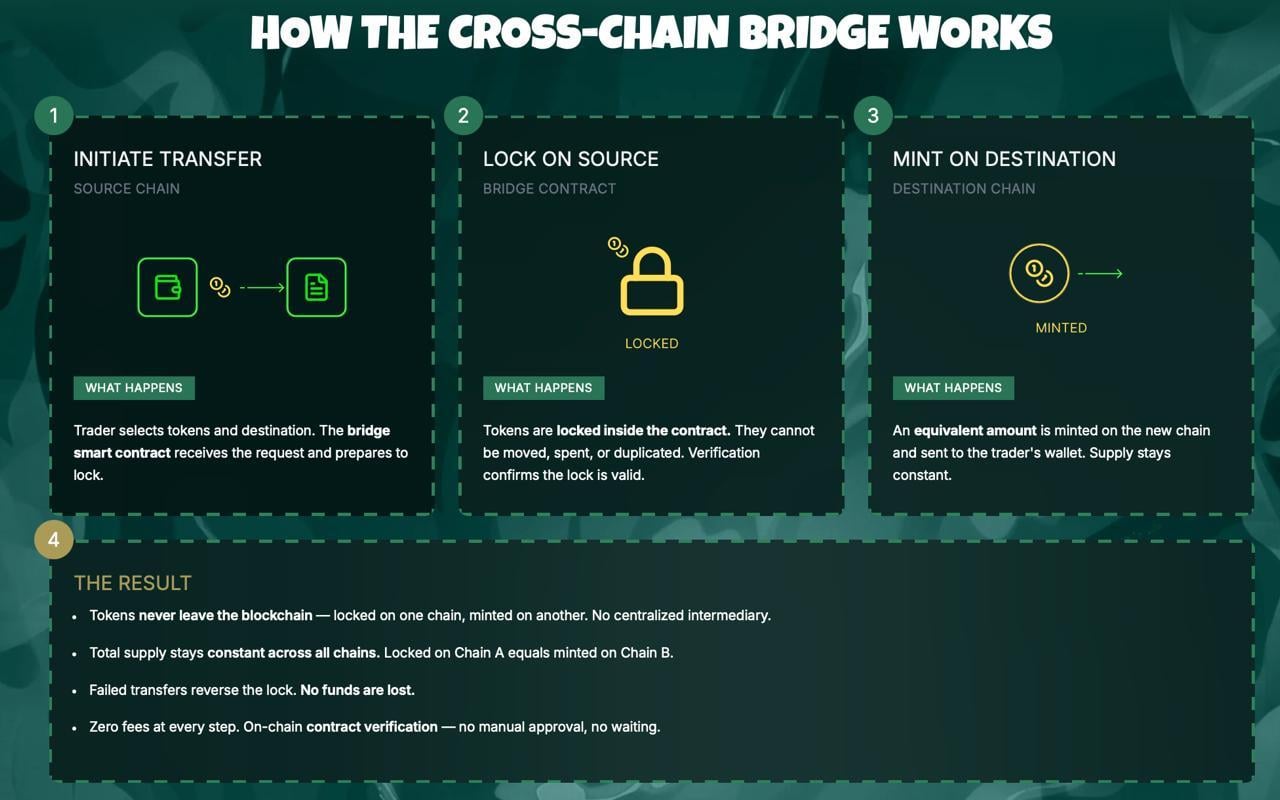
Despite the monumental news, XRP’s immediate market reaction was relatively subdued. The cryptocurrency, trading around $1.38 today after a 2.34% pullback, saw only a modest 1% increase initially before stabilizing. This seemingly muted response can be attributed to several factors. Firstly, an $80 billion network like XRP’s market capitalization tends to revalue slowly; significant institutional news often takes time to fully permeate and influence price discovery. Secondly, the market might be awaiting broader adoption and regulatory clarity, particularly in the United States, where Ripple has faced a protracted legal battle with the SEC.
However, analysts remain optimistic about XRP’s long-term prospects. Standard Chartered, a major financial institution, has set a 2026 price target of $2.80 for XRP, representing roughly a 2x increase from current levels. More bullish predictions suggest XRP could reach $8 if the CLARITY Act, a proposed legislation aimed at providing regulatory clarity for digital assets in the U.S., passes this summer. Continued XRP ETF inflows and the deepening institutional confidence fostered by the JPMorgan settlement are expected to be key drivers. The utility of XRP as a low-cost, high-speed bridge currency for cross-border settlements, now demonstrably proven in an institutional context, underpins these forecasts. The fact that the XRPL adoption continues to build, with projects like RLUSD handling bridging while XRP pays network fees, solidifies its role as a functional and integral part of this evolving financial infrastructure.
The Altcoin Landscape: Introducing Pepeto and the Presale Phenomenon
While established cryptocurrencies like XRP navigate the complex waters of institutional adoption and regulatory frameworks, a different segment of the market thrives on speculative fervor and the allure of exponential gains: the presale phenomenon, particularly within the meme coin sector. Smart capital, often seeking opportunities that mirror past successes, is constantly on the lookout for the "next big thing" before it hits major exchanges. This is where projects like Pepeto enter the scene.
Pepeto positions itself as a new contender in this high-risk, high-reward space, drawing comparisons to projects that have delivered three-figure returns within twelve months of listing on tier-one exchanges like Binance. Currently in its presale phase, Pepeto has already raised an impressive $9.86 million at an entry price of $0.0000001869. The project aims to capitalize on the meme coin energy while offering tangible utility.
Pepeto’s Value Proposition and Market Strategy
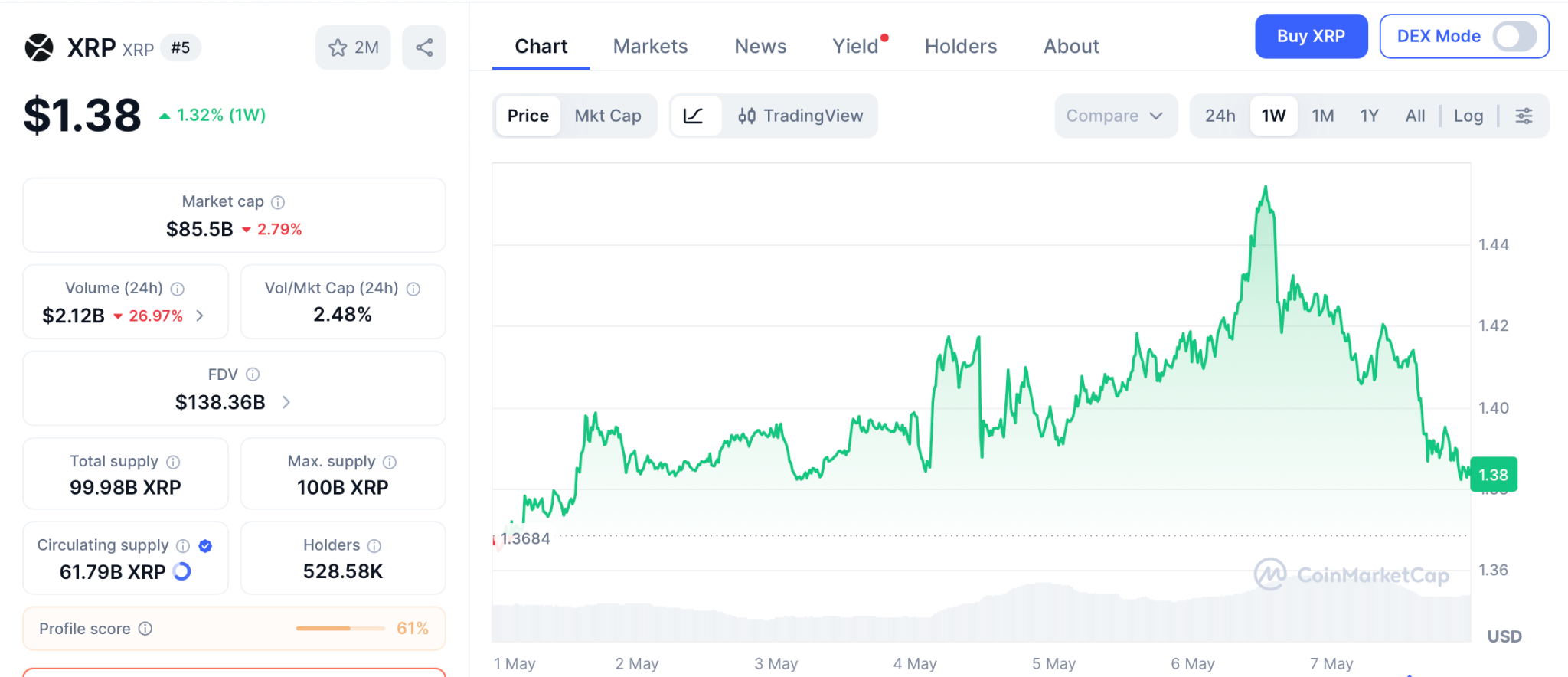
Pepeto distinguishes itself from many meme coins by claiming to offer a suite of functional tools that are already live, rather than merely existing on a roadmap. These include PepetoSwap, which reportedly clears swaps on Ethereum, BNB Chain, and Solana at zero cost, ensuring that positions land intact without incurring additional fees. A cross-chain bridge is also said to be operational, facilitating token transfers between networks without taking a cut. Furthermore, the project features a contract scanner designed to sit in front of every wallet approval, reading code first to catch risky approvals before any potential loss occurs.
The team behind Pepeto makes ambitious claims regarding its leadership. The project states that the original Pepe co-founder, instrumental in propelling the Pepe meme launch from zero to an $11 billion market capitalization, is leading the build. Additionally, a former Binance executive is reportedly managing the listing path, suggesting a strategic approach to securing a prominent exchange listing. This combination of meme coin pedigree and industry experience is intended to instill confidence among presale participants.
From a security and investment perspective, Pepeto emphasizes that SolidProof has audited its codebase, providing a layer of security assurance before any funds were committed. The project also offers 175% APY staking, compounding positions daily, which serves as an incentive for early investors. The current presale entry price is marketed as a temporary window, set to reprice significantly once a Binance listing materializes, aiming to deliver the "100x" returns that early meme coin investors often seek.
Risk and Reward in Crypto Investments: A Dual Perspective
The contrasting narratives of XRP and Pepeto highlight the diverse investment philosophies within the cryptocurrency market. XRP, with its proven institutional utility, strategic partnerships, and ongoing regulatory battles, represents a more mature investment profile. Its price movements are increasingly tied to real-world adoption, regulatory clarity, and the broader integration of digital assets into the global financial system. While it offers substantial long-term growth potential, its trajectory is likely to be measured and less volatile than nascent projects. The expectation of a 2x to 8x return, while significant in traditional finance, is considered conservative by some crypto investors accustomed to explosive growth.
Pepeto, on the other hand, embodies the high-risk, high-reward nature of early-stage crypto presales, particularly within the meme coin category. Its appeal lies in the potential for astronomical returns—the "100x" scenario—driven by viral marketing, community engagement, and the speculative frenzy surrounding major exchange listings. However, this potential comes with inherent risks. The success of meme coins is often unpredictable, heavily reliant on market sentiment, social media trends, and the ability to maintain hype. While the claimed team experience and audited tools add a layer of credibility, the speculative nature of such investments means capital can be subject to extreme volatility and potential loss. Investors in this space must conduct thorough due diligence and understand that returns are never guaranteed.
Conclusion: A Dual Narrative of Crypto Evolution

The financial landscape is witnessing a fascinating dual evolution in the cryptocurrency space. On one hand, the groundbreaking cross-border, cross-bank redemption of a tokenized US Treasury fund on the XRP Ledger, facilitated by Ripple, JPMorgan, Mastercard, and Ondo Finance, marks a pivotal moment for institutional adoption. It solidifies XRP’s position as a critical piece of the future global financial infrastructure, moving beyond mere speculation to tangible, real-world utility. The long-term XRP price prediction continues to strengthen, driven by this deepening integration into live institutional banking.
On the other hand, the emergence of projects like Pepeto in the presale market reminds investors of the enduring allure of high-risk, high-reward opportunities. These projects, often leveraging meme coin energy and ambitious development plans, aim to replicate the meteoric rises seen in earlier cycles. While the early days of XRP returns, characterized by massive percentage gains, may be behind us, the presale market continues to offer a similar window for those seeking exponential growth.
The choice for investors ultimately lies in their risk appetite and investment horizon. Whether one opts for the steady, utility-driven growth potential of an established asset like XRP, underpinned by major institutional advancements, or ventures into the speculative, high-volatility realm of presale meme coins like Pepeto, the crypto market continues to offer diverse avenues for participation. The key takeaway from both narratives is that the digital asset space is maturing, with a clear distinction between projects building foundational infrastructure for traditional finance and those pushing the boundaries of community-driven, speculative innovation. As the market evolves, understanding these distinct pathways becomes crucial for navigating the opportunities and challenges that lie ahead.
FAQs
What is the XRP price prediction for 2026 after the JPMorgan tokenized treasury settlement?
XRP currently trades around $1.38. Standard Chartered projects a target of $2.80 for 2026 in a moderate scenario, with more optimistic forecasts reaching $8 if the CLARITY Act passes the Senate. This potential for 2x to 8x growth is driven by increasing institutional utility and regulatory clarity.
Why is Pepeto considered a significant crypto presale right now?
Pepeto is highlighted as a compelling presale due to its claimed combination of practical utility (zero-fee swaps, cross-chain bridge, AI risk scanner), its current low entry price of $0.0000001869, and its successful fundraising of $9.86 million. The project also boasts a SolidProof audit and claims involvement from the original Pepe co-founder and a former Binance executive, aiming for a 100x return upon a major exchange listing.














