


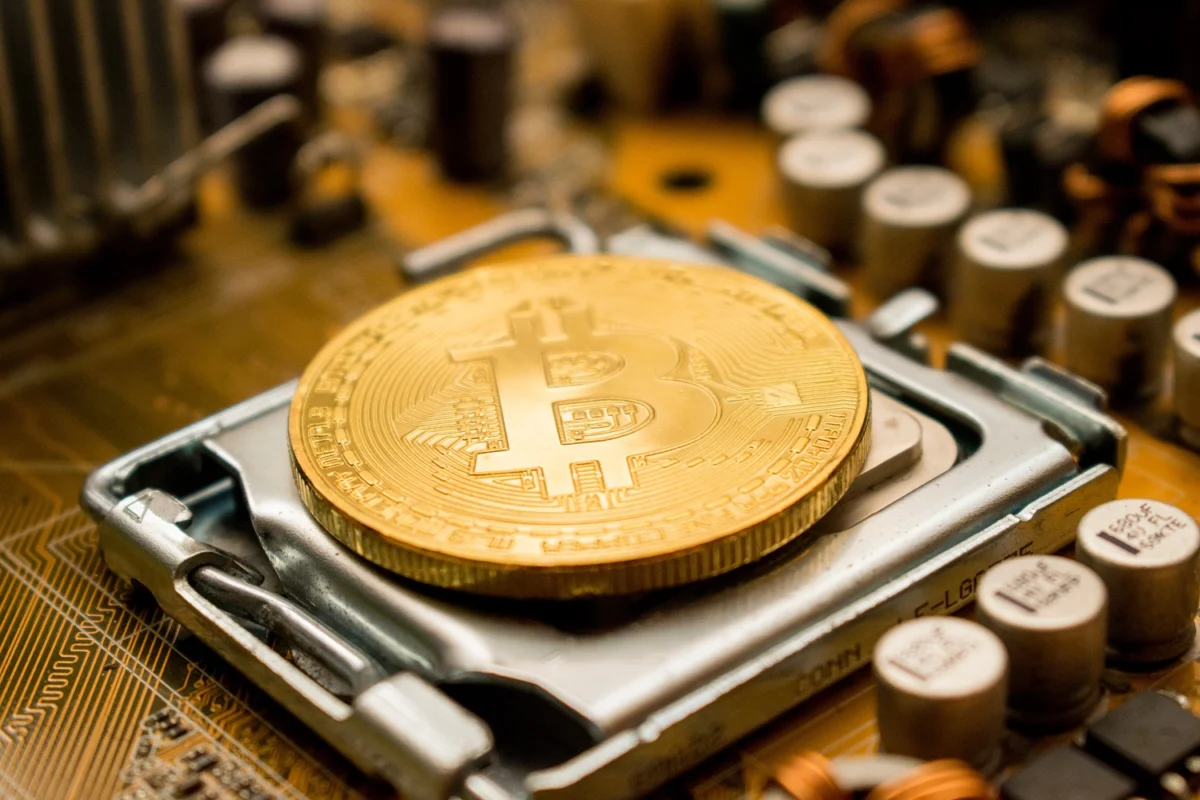
The Russian Association of Crypto Industry and Blockchain (RACIB) has officially launched a strategic initiative designed to transform the Russian Federation into a primary destination for international Bitcoin mining operations. This move comes at a critical juncture in the cryptocurrency landscape, as the industry witnesses a massive geographic shift in computing power following a series of aggressive regulatory crackdowns in China. By highlighting Russia’s vast energy surpluses, favorable climatic conditions, and existing industrial infrastructure, RACIB aims to capture a significant share of the "Great Mining Migration," potentially reshaping the global distribution of the Bitcoin hash rate.
The Catalyst: The Great Migration from China
For years, China served as the undisputed epicenter of the Bitcoin mining world, at one point accounting for over 65% of the global hash rate. However, the landscape shifted dramatically in mid-2021 when the Chinese government intensified its efforts to eliminate cryptocurrency mining and trading within its borders. Citing concerns over financial stability and environmental targets, Chinese authorities systematically shut down mining hubs in provinces such as Sichuan, Xinjiang, and Inner Mongolia.
The resulting exodus saw thousands of miners searching for new jurisdictions that could offer three essential components: regulatory stability, affordable electricity, and a hospitable climate for hardware. While North America and Central Asia initially absorbed much of this displaced capacity, Russia is now making a formal bid to become the preferred alternative. RACIB’s project is a direct response to this vacuum, positioning Russia as a stable and resource-rich partner for large-scale mining enterprises.
Russia’s Strategic Advantages: Energy and Infrastructure
RACIB has identified several key factors that make Russia an ideal candidate for large-scale cryptocurrency mining. Chief among these is the nation’s status as an energy powerhouse. Russia consistently ranks among the top five countries globally in terms of total electricity production. Unlike many nations struggling with energy deficits, Russia possesses a substantial surplus of power generation capacity.
According to data provided by RACIB, certain Russian regions maintain an energy surplus of up to 50%. This excess capacity is often a byproduct of the country’s extensive industrial network and the strategic placement of power plants during the Soviet era, which were designed to support massive manufacturing hubs that are no longer in full operation. By utilizing this idle capacity, Bitcoin miners can provide a constant "baseload" demand for power plants, improving the efficiency of the national grid and providing utility companies with a reliable source of revenue.
Furthermore, Russia’s energy mix is increasingly aligned with the global shift toward environmental, social, and governance (ESG) standards. Approximately 40% of the country’s power is derived from "green" or low-carbon sources, including hydroelectric and nuclear power. In regions like Siberia, massive hydroelectric dams provide some of the cheapest and cleanest electricity in the world, a factor that is becoming increasingly important as institutional investors scrutinize the carbon footprint of Bitcoin.
Thermodynamics and the Siberian Advantage
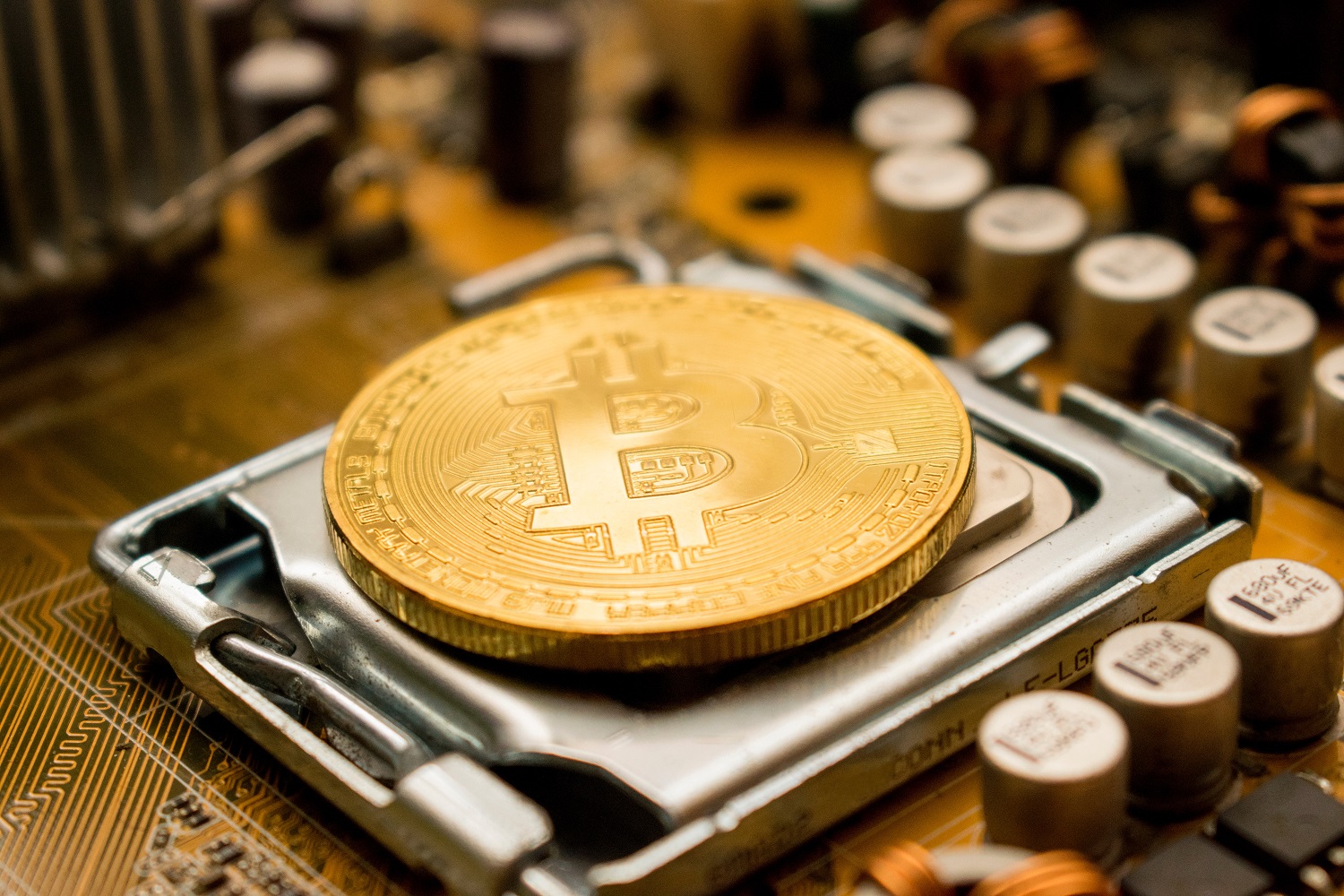
Beyond energy costs, the physical environment plays a crucial role in the profitability of a mining operation. High-performance ASIC (Application-Specific Integrated Circuit) miners generate immense amounts of heat. In warmer climates, operators must invest heavily in sophisticated cooling systems and consume additional electricity to maintain optimal hardware temperatures.
Russia’s geography, particularly in its northern and Siberian regions, offers a natural solution to this problem. The cold climate allows for "free cooling," where ambient air is used to regulate the temperature of the mining rigs. This significantly reduces capital expenditure on HVAC systems and lowers ongoing operational costs. Additionally, Russia’s low population density in these resource-rich regions simplifies the process of securing large plots of land for industrial-scale data centers, away from residential areas where noise pollution might be a concern.
The Regional Competition: Russia vs. Kazakhstan
The urgency of RACIB’s initiative is underscored by the rapid rise of neighboring Kazakhstan. Following the China ban, Kazakhstan quickly ascended the global rankings, briefly overtaking Russia to become the third-largest Bitcoin mining hub in the world. Russia currently sits in the fourth position, but RACIB believes that with the right incentives and infrastructure, the nation can reclaim its standing and perhaps even challenge the United States for the top spot.
The competition between these two nations is fierce. While Kazakhstan initially attracted miners with low costs, it has recently faced challenges related to grid stability and sudden regulatory shifts. Russia’s bid is built on the premise of superior infrastructure and a more robust energy grid that can handle the massive load requirements of industrial mining without compromising domestic supply.
Regulatory Landscape and Institutional Support
The success of RACIB’s project will depend heavily on the evolving legal framework within Russia. The Russian government has historically sent mixed signals regarding cryptocurrency. While the "On Digital Financial Assets" law provided some clarity, there remains a tension between the Bank of Russia, which has advocated for a blanket ban on crypto activities, and the Ministry of Finance, which favors a regulated, taxable industry.
RACIB is working to bridge this gap by demonstrating the economic benefits of mining. By framing mining as an industrial activity—specifically, the "processing of electricity into digital value"—the association hopes to secure a favorable tax regime and legal protections for foreign investors. The project aims to create specialized clusters or "mining hotels" that provide turn-key solutions for international firms, including legal assistance, hardware maintenance, and secure hosting.
Market Context: Bitcoin’s Price Volatility and Hash Rate Recovery
The RACIB announcement comes at a time of significant market volatility. As of late July 2021, the price of Bitcoin has been hovering around the $30,000 to $35,000 range, representing a significant retreat from its all-time highs. Over a one-week period, the asset saw a decline of approximately 7%, with a 14% drop over the month.

Despite the price stagnation, the Bitcoin network’s hash rate—a measure of the total computational power securing the blockchain—has shown remarkable resilience. After a sharp decline following the China shutdown, the hash rate has begun to recover as miners bring their equipment back online in new locations. RACIB’s initiative is timed to capture the final waves of this migration, ensuring that the next generation of mining hardware finds a home on Russian soil.
Broader Economic and Geopolitical Implications
The pursuit of the Bitcoin mining industry carries significant implications for Russia’s broader economy. Beyond the direct sale of electricity, the development of mining clusters fosters innovation in high-tech infrastructure, data center management, and cybersecurity. It also offers a way for Russia to diversify its economy away from a pure reliance on raw commodity exports.
Geopolitically, the decentralization of the Bitcoin hash rate away from China is seen by many analysts as a positive development for the network’s security. By hosting a significant portion of the network, Russia gains a seat at the table in the burgeoning digital economy. However, this also invites scrutiny from international regulators who are concerned about the use of cryptocurrency for sanctions evasion or illicit finance. RACIB’s emphasis on transparency and legal compliance is a strategic attempt to mitigate these concerns and attract reputable Western and Asian capital.
Timeline of Recent Developments
To understand the current momentum, it is helpful to look at the chronology of the past few months:
- May 2021: China’s State Council announces a crackdown on Bitcoin mining and trading, triggering a massive drop in hash rate.
- June 2021: Large-scale mining operations in Xinjiang and Sichuan are forced to go offline. Logistics companies report record shipments of mining rigs out of China.
- Early July 2021: Kazakhstan emerges as a primary destination, but reports of grid strain begin to surface.
- Mid-July 2021: RACIB formally announces its project to attract foreign miners, highlighting Russia’s 50% energy surplus in specific regions.
- Current Period: Bitcoin price stabilizes near $30,700 as the market waits for a definitive breakout, while the industry focuses on long-term infrastructure shifts.
Conclusion: The Road Ahead for Russian Mining
The initiative led by the Russian Association of Crypto Industry and Blockchain represents a sophisticated attempt to capitalize on a once-in-a-decade shift in the global technology sector. By leveraging its natural advantages—abundant energy, a cold climate, and vast space—Russia is positioning itself not just as a participant, but as a leader in the infrastructure of the digital age.
However, the path forward is not without obstacles. The industry will closely watch the Russian government’s next moves regarding taxation and regulation. If the Kremlin aligns with RACIB’s vision of an industrial mining powerhouse, Russia could see a massive influx of foreign investment, turning Siberia and other energy-rich regions into the new "silicon prairies" of the crypto world. For now, the "Great Migration" continues, and Russia has made its move to ensure it is the final destination for the world’s digital gold miners.














