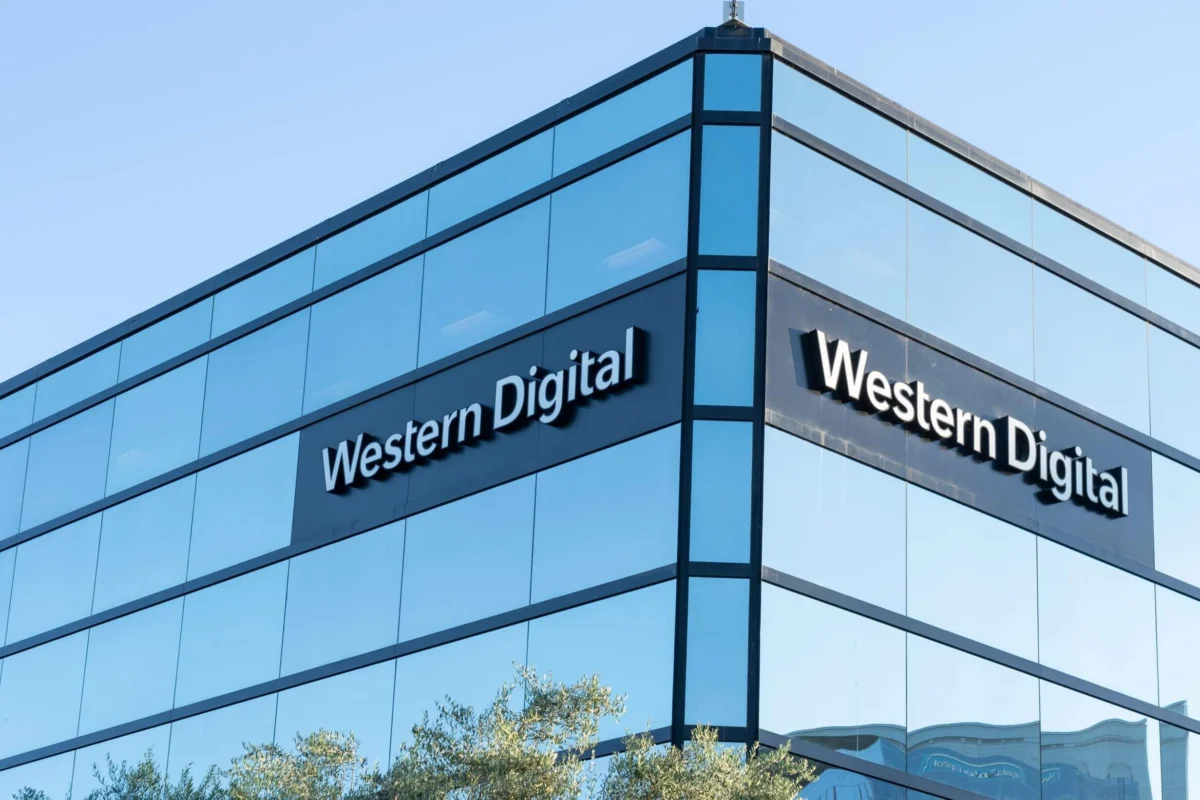
Western Digital Corporation (NASDAQ: WDC) experienced a significant downturn in its stock performance on Friday, with shares falling 11.07% to close at $411.33. The sharp decline was largely attributed to an announcement from rival Toshiba, which outlined ambitious plans for a substantial expansion of its hard disk drive (HDD) production capabilities. This strategic move by Toshiba is set to intensify competitive pressures across the rapidly expanding data center storage market, a sector increasingly fueled by the explosive growth of artificial intelligence (AI) workloads that necessitate vast quantities of high-capacity data storage.
Toshiba’s strategic initiative involves a substantial investment of approximately 60 billion yen, equivalent to about $380 million, directed towards bolstering its HDD production facilities located in the Philippines. This significant capital outlay is earmarked to effectively double Toshiba’s HDD manufacturing capacity by fiscal year 2027, marking the company’s most substantial investment in its HDD division in half a decade. Beyond merely increasing output volume, Toshiba also aims to innovate its product line, with plans to produce drives offering up to 40% more storage capacity than its current offerings. This dual-pronged approach of increased capacity and enhanced density underscores Toshiba’s determination to strengthen its foothold in the enterprise storage segment.
The HDD market, while often overshadowed by the high-speed performance of solid-state drives (SSDs), remains a critical component of global data infrastructure, particularly for archival storage, large-scale data lakes, and cost-effective cloud solutions. Toshiba currently commands just over 10% of the global HDD market when measured by total storage capacity shipped. However, the company has set an aggressive target to elevate this share to 30% over the medium term. This ambitious goal directly positions Toshiba in a more confrontational stance against industry giants Western Digital and Seagate Technology, which currently dominate the market. According to prevailing industry estimates, both Western Digital and Seagate each control more than 40% of the worldwide HDD market based on storage capacity. When market share is assessed through unit shipments, Toshiba holds approximately 17%. The proposed expansion by Toshiba is therefore poised to significantly narrow the existing capacity gap among the three primary HDD suppliers, potentially reshaping the competitive landscape for lucrative large enterprise storage contracts.
A Shifting Landscape: Western Digital’s Focus and Market Vulnerability
Western Digital’s strategic direction has undergone significant transformation in recent years, particularly following its decision to separate its flash memory business, SanDisk, from its hard drive operations. This restructuring has placed a more concentrated focus on hard drives, thereby leaving the company more directly exposed to fluctuations in enterprise storage demand and the highly competitive dynamics of HDD pricing. Consequently, Toshiba’s announced capacity expansion poses a direct and formidable competitive challenge within Western Digital’s core business segment. The implications of such a significant increase in a competitor’s production capacity can range from downward pressure on pricing to a heightened fight for market share, particularly in the critical data center segment.
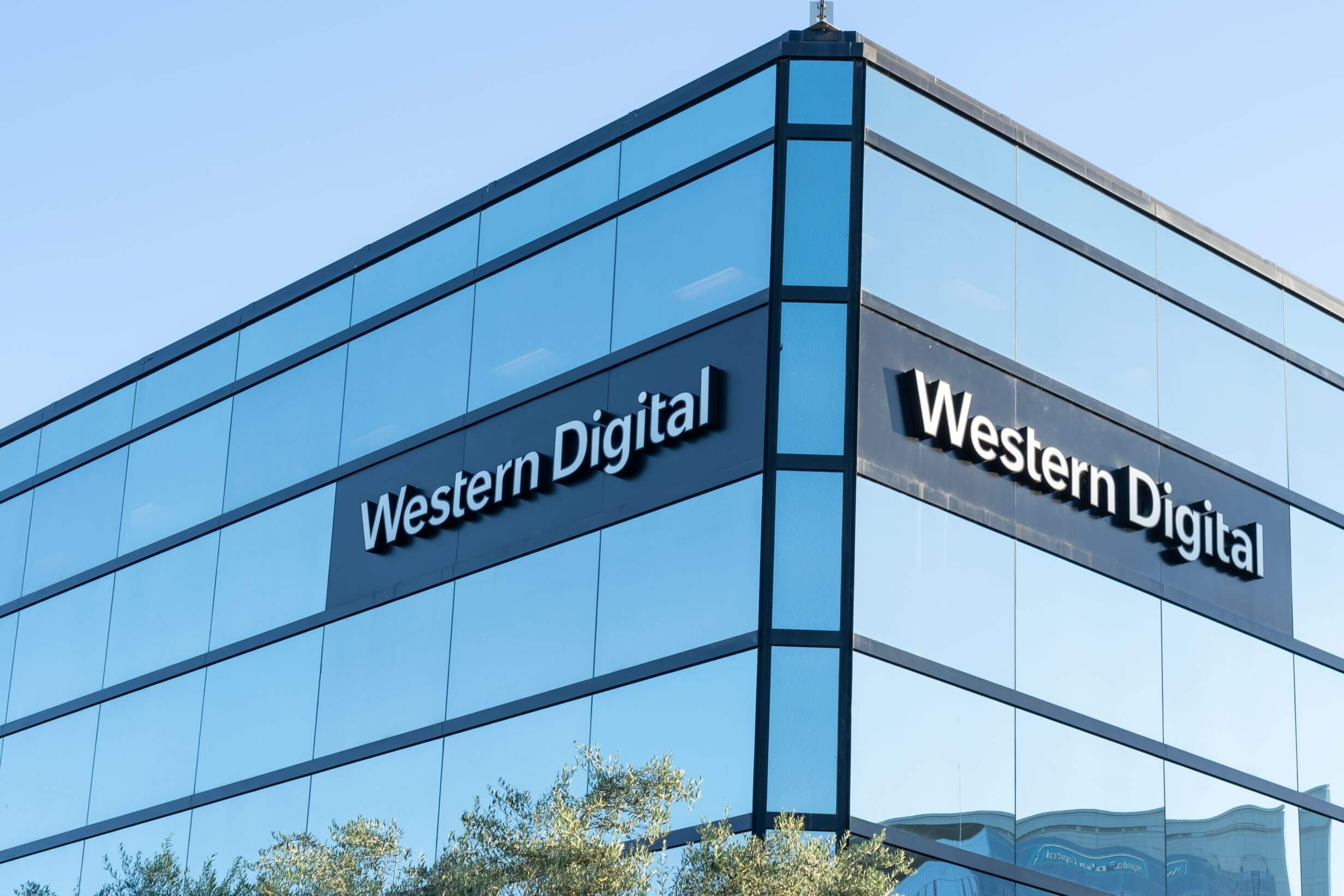
The data center and cloud computing sectors have been pivotal revenue drivers for Western Digital. In its fiscal fourth quarter, the company reported robust revenues of $3.75 billion, representing an impressive 44% annual growth. A substantial portion of this growth was attributable to its cloud customers, who accounted for a remarkable 89% of total sales during the period, translating to nearly $3.3 billion in cloud revenue. This strong performance was indicative of sustained high demand for large-capacity drives, which are indispensable for the hyperscale data centers operated by major cloud providers. The profitability of this segment is particularly sensitive to supply-demand dynamics and pricing, making Toshiba’s expansion a direct threat to Western Digital’s established revenue streams and profit margins in this critical area.
The Indispensable Role of HDDs in the AI Era
The burgeoning field of artificial intelligence is fundamentally reshaping the demands placed on global data infrastructure. AI workloads, encompassing everything from training massive machine learning models to storing vast datasets for inference and analytical purposes, generate unprecedented volumes of information that must be efficiently stored and accessed. Data center operators are increasingly investing in expansive storage systems to accommodate training data, system logs, backups, and the voluminous outputs generated by AI inference engines. In this context, HDD manufacturers have found renewed relevance and demand, primarily because these AI workloads often prioritize cost-effective, high-capacity storage over the ultra-fast access speeds offered by SSDs. While SSDs excel in performance-critical applications, the sheer scale of data generated by AI makes HDDs a more economically viable solution for many foundational storage layers.
The long-term growth trajectory for HDDs appears robust, primarily driven by the insatiable appetite for data storage spurred by AI and other digital transformations. Industry analyst firm IDC estimates that annual worldwide data generation could reach an astounding 718 zettabytes by 2030. To put this into perspective, this figure represents approximately four times the amount of data generated globally in 2024. A significant portion of this future data, potentially around 60%, is projected to be stored on HDDs. This forecast is largely predicated on the significant cost advantage HDDs maintain over solid-state storage. Currently, SSDs typically cost roughly 20 times more than HDDs for comparable storage capacity. Furthermore, periods of tight memory supplies, affecting NAND flash used in SSDs, can inadvertently increase demand for conventional hard-drive storage as enterprises seek more affordable and readily available alternatives.
Toshiba’s plans extend beyond mere capacity expansion; the company also has an ambitious roadmap for technological innovation. It aims to pursue the development of 65-terabyte-class drives by 2030, with an eventual goal of developing even larger 100-terabyte-class products. These advancements are crucial for meeting the ever-growing demand for higher density storage in data centers. Alongside product development, Toshiba intends to implement significant operational improvements, including automating inspection and clean-room processes at its expanded Philippines facility. These technological and procedural enhancements are projected to reduce additional staffing needs by approximately 40% while simultaneously supporting higher production volumes and potentially improving manufacturing efficiency and cost-effectiveness.
Industry Reactions and Broader Market Implications
The announcement from Toshiba sent ripples across the HDD sector, not just impacting Western Digital. Seagate Technology, another major player in the market, also saw its shares decline as investors and analysts began to assess the potential changes in industry supply dynamics and competitive intensity. The market’s immediate reaction underscores the sensitivity of the storage industry to significant capacity investments by key players.
While Western Digital has not yet issued a direct public statement in response to Toshiba’s specific announcement, industry analysts widely anticipate that the company will likely reiterate its commitment to innovation, operational efficiency, and customer value. Such a move would be critical to reassure investors and customers amidst heightened competitive pressure. Similarly, Seagate is expected to continue emphasizing its own technological advancements, such as its development of Heat-Assisted Magnetic Recording (HAMR) technology, which promises significant increases in storage density for future generations of HDDs.
From Toshiba’s perspective, this investment represents a bold play to reassert its position as a major force in the enterprise storage market. A Toshiba spokesperson, speaking generally about the company’s long-term strategy, might emphasize the importance of anticipating and meeting global data storage needs, particularly those driven by emerging technologies like AI. They would likely highlight the strategic nature of the Philippines expansion, citing its role in enhancing manufacturing capabilities and delivering cutting-edge storage solutions to a global clientele.
Market analysts from firms like TrendFocus or IDC are now carefully evaluating the implications. They might suggest that while the immediate stock market reaction reflects investor anxiety over increased competition and potential pricing pressures, Toshiba’s move also validates the long-term growth prospects of the HDD market, especially in the context of AI. Analysts will be scrutinizing the execution of Toshiba’s expansion plan, its ability to ramp up production efficiently, and its success in securing new enterprise contracts. The increased competition could ultimately benefit data center operators by driving down costs and accelerating innovation across the industry. However, it also presents a challenge for established leaders like Western Digital and Seagate to maintain their market dominance and profitability margins.
The geopolitical context of the Philippines as a manufacturing hub for electronics adds another layer of consideration. Diversifying production capabilities and strengthening supply chains have become critical considerations for global technology companies, particularly in the wake of recent supply chain disruptions. Toshiba’s investment in the Philippines could also be viewed through this lens, aiming to build a more resilient and geographically diversified manufacturing base.
In conclusion, Toshiba’s significant investment in expanding its HDD production capacity is a pivotal development that reshapes the competitive landscape of the data center storage market. While it triggered an immediate negative reaction in Western Digital’s stock, it also underscores the robust long-term demand for high-capacity storage, largely propelled by artificial intelligence. This strategic move by Toshiba adds a critical new dimension to a storage market already benefiting from rising AI demand, promising a more dynamic and potentially more competitive environment for innovation, pricing, and market share among the leading hard drive manufacturers. The coming years will reveal how Western Digital and Seagate adapt to this intensified competition and whether Toshiba successfully achieves its ambitious market share targets, ultimately influencing the future trajectory of data storage technology.